Apakah Pembungkusan Uncang Teh?
Pembungkusan uncang teh ialah cara daun teh dibungkus untuk memastikan ia segar dan sedap. Ia melindungi teh daripada udara dan kelembapan, membantu ia kekal baik selama berbulan-bulan. Bahan biasa untuk uncang teh termasuk nilon, sutera dan kertas, masing-masing mempunyai kelebihan dan kekurangannya sendiri.
13 Jenis Bahan Uncang Teh
Terdapat pelbagai jenis bahan yang digunakan untuk membuat uncang teh. Berikut adalah 13 yang popular:
1. Kertas
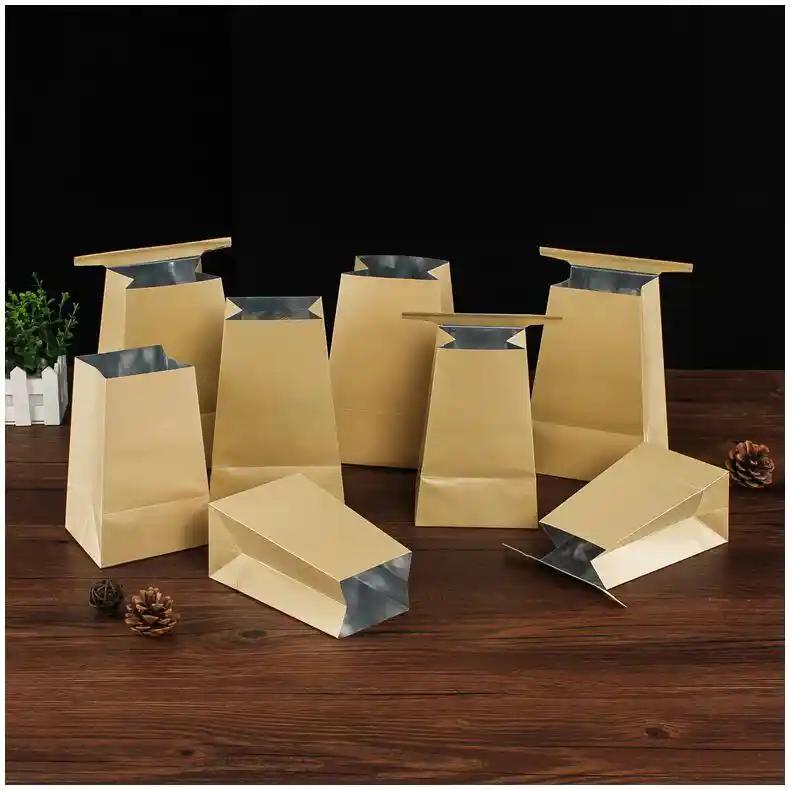
Paper is the most traditional tea bag material. It’s made from wood or plant fibers and can break down naturally.
Kelebihan:
- murah
- Mengekalkan rasa teh yang sama
- Mudah untuk dicetak
Keburukan:
- Mudah menangis
- Tidak baik untuk teh lepas
2. Sutera
Uncang teh sutera kelihatan mewah dan biarkan air mengalir dengan baik, menjadikan teh rasa lebih enak. Ia digunakan untuk teh berkualiti tinggi tetapi tidak baik untuk alam sekitar dan lebih mahal.
Kelebihan:
- Fleksibel dan kuat
- Didatangkan dalam pelbagai bentuk
Keburukan:
- Mahal
- Tidak mesra alam
3. Nilon
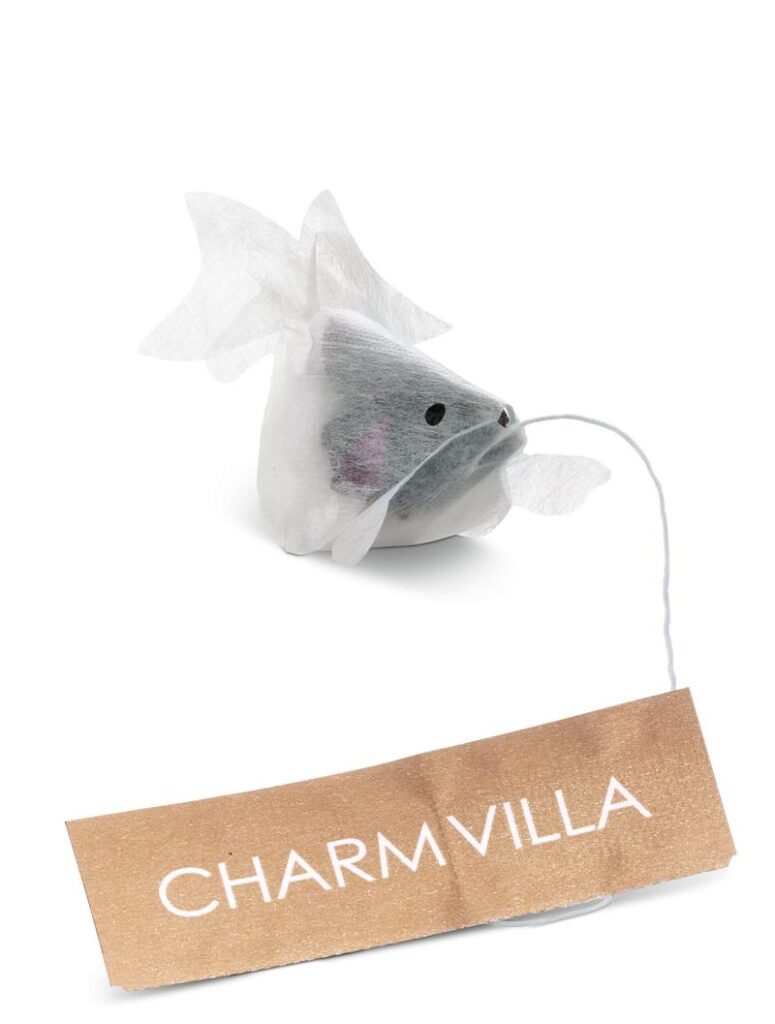
Nylon adalah bahan yang kuat dan tahan panas yang sering digunakan untuk uncang teh hijau. Ia memastikan teh segar tetapi mungkin mengubah rasa teh.
Kelebihan:
- Kuat dan tidak mudah koyak
- Mengelakkan teh daripada menjadi terlalu panas
Keburukan:
- Tidak boleh kompos
4. Soilon
Soilon adalah bahan mesra alam yang diperbuat daripada kanji jagung. Ia rosak secara semula jadi dan sekuat dan jernih seperti nilon tanpa merosakkan alam sekitar.
Kelebihan:
- Boleh kompos
- Tahan panas
- Eco-friendly
Keburukan:
- Mahal
- Memerlukan penyimpanan yang teliti
5. Kain Bukan Tenunan
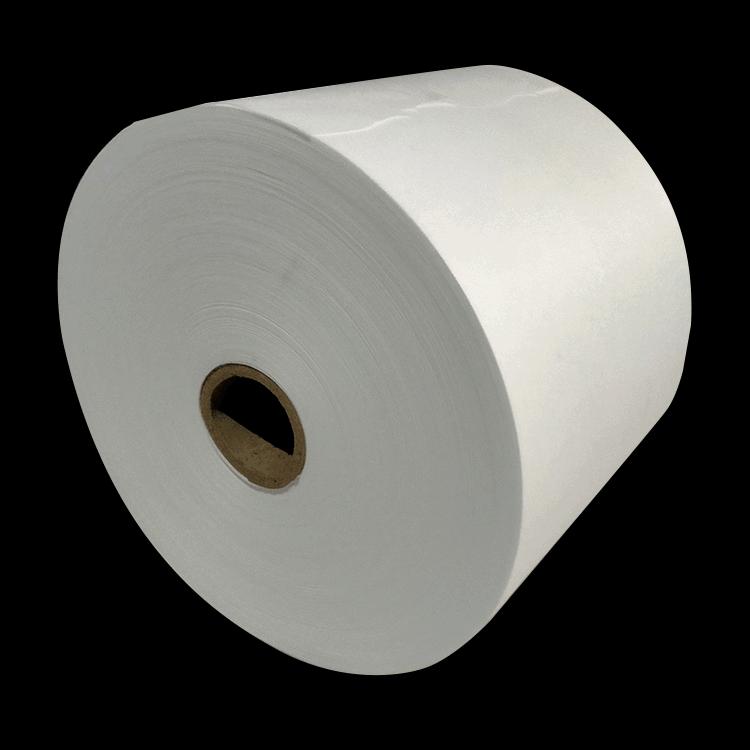
Kain bukan tenunan dibuat dengan mengikat gentian dengan bahan kimia dan haba. Mereka mengekalkan teh segar dengan menyekat kelembapan dan membiarkan udara melaluinya tanpa melepaskan bahan yang tidak baik.
Kelebihan:
- kuat
- Tidak toksik
- Fleksibel
Keburukan:
- Tidak begitu mesra alam
6. Kapas
Uncang teh kapas adalah semula jadi dan boleh rosak dengan mudah. Mereka selamat dan boleh digunakan semula tetapi lebih mahal dan tidak sekuat itu.
Kelebihan:
- Selamat dan boleh digunakan semula
- Bahan semula jadi
Keburukan:
- Harga tinggi
- Tak tahan sangat
7. Muslin
Uncang teh muslin diperbuat daripada kapas tenunan longgar, menjadikannya bernafas dan boleh digunakan semula. Mereka bagus untuk teh lepas tetapi sukar didapati dan mahal.
Kelebihan:
- Baik untuk teh lepas
- Terbaik untuk rasa
- Bahan semula jadi
Keburukan:
- Susah nak jumpa
- Mahal
8. Polipropilena
Polipropilena ialah sejenis plastik yang digunakan untuk menutup uncang teh dan mengekalkan bentuknya di dalam air panas. Tetapi ia boleh mengeluarkan kepingan plastik kecil ke dalam teh, yang tidak baik untuk kesihatan.
Kelebihan:
- murah
- Mudah untuk mengelak
Keburukan:
- Risiko kesihatan daripada zarah plastik
9. Hem
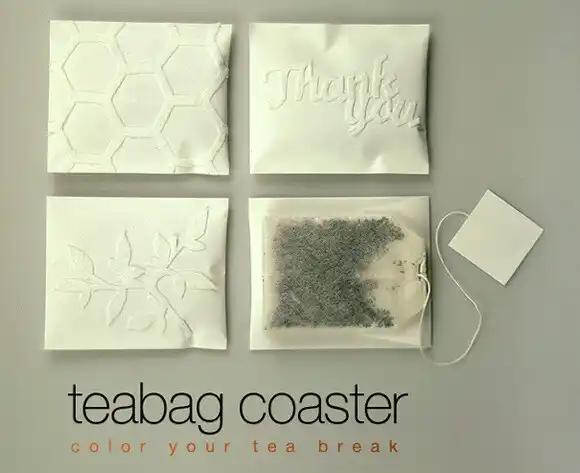
Hem ialah serat semula jadi dan bebas kimia. Ia boleh digunakan semula dan menentang acuan dan cahaya UV, menjadikannya pilihan mesra alam yang baik.
Kelebihan:
- Mesra alam sekitar
- Tahan lasak
Keburukan:
- Mahal
- Rintangan haba terhad
10. PLA (Asid Polilaktik)
PLA diperbuat daripada kanji jagung dan selamat dan boleh dikompos. Ia popular untuk uncang teh mesra alam dan terdapat dalam bentuk seperti piramid dan segi empat tepat.
Kelebihan:
- Mengekalkan kelembapan keluar
- Kuat dan tahan lama
Keburukan:
- Jangka hayat yang pendek
11. Aluminium
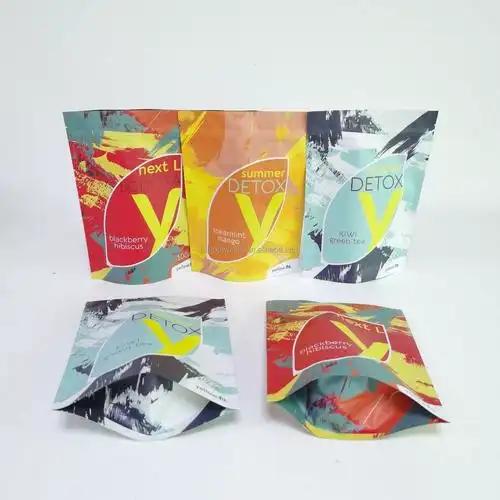
Aluminium biasanya tidak digunakan untuk uncang teh tetapi digunakan dalam pembungkusan teh sebagai kerajang atau lapisan untuk menyekat oksigen dan memastikan teh segar.
Kelebihan:
- Ringan dan tahan lama
Keburukan:
- Tidak tembus pandang
12. Plat timah
Tinplate adalah keluli yang disalut dengan timah. Ia memberikan perlindungan yang kuat, mengekalkan kesegaran teh untuk masa yang lama, dan mesra alam.
Kelebihan:
- Perlindungan yang sangat baik
- Boleh guna semula
- Nampak premium
Keburukan:
- Penyesuaian terhad
13. Serabut Buluh
Gentian buluh adalah bahan semula jadi yang diperbuat daripada tumbuhan buluh. Ia kuat, boleh terbiodegradasi, dan mempunyai rupa semula jadi yang menarik minat pengguna yang mementingkan alam sekitar.
Kelebihan:
- Mesra alam dan biodegradasi
- Kuat dan tahan lama
- Penampilan semula jadi dan menarik
Keburukan:
- Boleh jadi lebih mahal
- Ketersediaan terhad
Carta Perbandingan Bahan Pembungkusan Teh
| bahan | Boleh Kedap Haba | Kesan pada Perisa | Boleh terbiodegradasi |
|---|---|---|---|
| kertas | ya | minima | ya |
| sutera | No | minima | ya |
| nilon | ya | Potensi larut lesap | No |
| Soilon | ya | minima | ya |
| PLA | ya | minima | ya |
| Kain Bukan Tenunan | ya | minima | Berbeza-beza |
| aluminium | ya | Rasa metalik yang berpotensi | No |
| Plat timah | ya | Rasa metalik yang berpotensi | No |
| Serat Buluh | ya | minima | ya |
Cara Memilih Bahan Pembungkusan Teh Terbaik
Apabila memilih bahan pembungkusan teh, fikirkan perkara ini untuk mencari yang paling sesuai untuk teh anda:
1. Jenis Teh
Teh yang berbeza memerlukan pembungkusan yang berbeza. Teh hijau memerlukan pek kedap udara untuk kekal segar, manakala teh longgar berfungsi dengan baik dengan bahan bernafas.
2. Perlindungan daripada Cahaya
Cahaya boleh membuat teh kehilangan rasa dan baunya. Gunakan bahan seperti tin tin, kerajang aluminium atau pembungkusan gelap untuk mengelakkan cahaya daripada cahaya.
3. Penghalang Kelembapan
Pilih bahan yang menghalang kelembapan untuk memastikan teh segar. Balang kaca, kerajang aluminium atau plastik khas dengan penutup ketat adalah pilihan yang baik.
4. Pemeliharaan Aroma
Bau teh sangat penting. Gunakan pembungkusan yang mengelak dengan baik untuk mengekalkan bau teh, seperti beg kerajang atau berbilang lapisan.
5. Jangka hayat
Gunakan bahan seperti kerajang aluminium berlamina, tin tin atau beg bertutup vakum untuk menghalang teh daripada menjadi tua dan memastikan ia segar lebih lama.
6. Imej Jenama
Jadikan pembungkusan anda kelihatan cantik dengan reka bentuk dan warna yang menarik yang sepadan dengan jenama anda. Ini membantu teh anda menonjol di rak.
Cara Menyimpan Teh untuk Kekal Segar
Pastikan teh anda segar dengan mengikuti petua penyimpanan ini:
- Pastikan Ia Sejuk: Simpan teh di tempat yang sejuk dan stabil, di bawah 25°C (77°F), jauh daripada cahaya matahari dan haba.
- Elakkan Cahaya: Gunakan bekas legap dan simpan teh di tempat gelap untuk melindunginya daripada sinaran UV.
- Jauhkan dari Bau Kuat: Teh boleh menyerap bau dengan mudah, jadi simpannya dari makanan pedas atau tong sampah.
- Bekas kedap udara: Gunakan bekas yang tertutup rapat untuk mengelakkan udara dan kelembapan keluar, memelihara kesegaran teh.
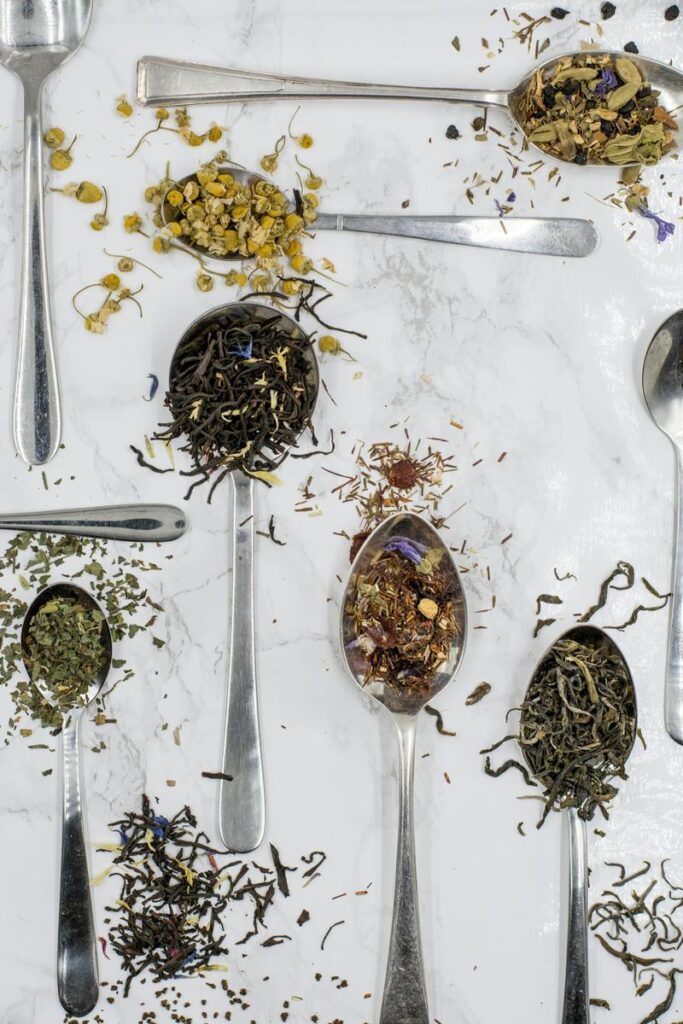
Cara Membungkus Teh untuk Dijual dan Kepentingannya dalam Pemasaran
Pembungkusan teh yang baik membantu menjual dan memasarkan teh anda. Berikut ialah cara untuk menjadikan pembungkusan anda lebih baik:
1. Reka Bentuk Mesra Pengguna
Pastikan pembungkusan anda mudah dibuka dan digunakan. Pilihan seperti beg berdiri, kunci zip dan pek boleh ditutup semula menjadikannya mudah untuk pengguna.
2. Mudah alih
Pilih pembungkusan yang mudah dibawa, sesuai untuk pelanggan yang sedang dalam perjalanan.
3. Pembungkusan Kreatif
Jadikan pembungkusan anda unik dengan reka bentuk dan bentuk khas untuk menarik perhatian pelanggan dan menonjol daripada pesaing.
4. Maklumat Jelas
Tunjukkan butiran yang jelas tentang teh, seperti bahan-bahan dan cara membancuhnya, supaya pelanggan boleh membuat keputusan untuk membeli dengan mudah.
5. Trend Mesra Alam
Gunakan bahan pembungkusan yang mampan untuk mengikuti trend mesra alam, yang boleh menjadikan jenama anda kelihatan baik dan menarik pelanggan yang mementingkan alam sekitar.
6. Perlindungan
Pastikan pembungkusan melindungi teh semasa penyimpanan dan pengangkutan, memastikan ia selamat dan berkualiti tinggi.
Conclusion
Memilih bahan pembungkusan uncang teh yang betul adalah sangat penting untuk memastikan teh anda segar dan sedap. Fikirkan sejauh mana bahan itu melindungi teh, jika ia baik untuk alam sekitar, dan jika anda boleh menyesuaikannya. Untuk penyelesaian pembungkusan teh profesional, hubungiHonorpack.
Frequently Asked Questions
1. Apakah bahan yang paling mesra alam untuk uncang teh?
Bahan mesra alam terbaik ialah bahan berasaskan tumbuhan seperti Soilon, PLA, rami dan gentian buluh. Bahan-bahan ini boleh dikompos dan diperbuat daripada sumber boleh diperbaharui seperti kanji jagung, menjadikannya alternatif yang baik kepada plastik.
2. Adakah terdapat sebarang kesan sampingan bahan uncang teh?
Sesetengah bahan, seperti nilon, poliester dan plastik tertentu, boleh membebaskan bahan kimia berbahaya apabila ia menjadi panas. Ini boleh memudaratkan kesihatan anda. Lebih baik memilih bahan yang selamat seperti kapas dan kertas.
3. Bolehkah bahan uncang teh menjejaskan rasa teh?
Ya, sesetengah bahan boleh mengubah rasa teh. Sebagai contoh, uncang teh nilon mungkin menambah sedikit rasa atau bau. Uncang teh berkualiti tinggi yang diperbuat daripada kertas atau sutera yang tidak diluntur membantu mengekalkan rasa semula jadi teh.
4. Bagaimana untuk membungkus uncang teh?
Gunakan bahan kalis lembapan seperti aluminium foil atau plastik khas untuk membungkus uncang teh. Letakkan setiap uncang teh di dalam kotak atau beg yang dilabel dengan perasa dan arahan membancuh, dan tutupkannya dengan ketat untuk memastikan teh segar dan sedap.
5. Apakah pembungkusan teh beg dalam kotak?
Pembungkusan beg dalam kotak ialah apabila beg lembut diletakkan di dalam kotak keras. Kaedah ini popular untuk teh kerana ia kuat, mudah digunakan, dan mengekalkan kesegaran teh.
Pakar Mesin Pembungkusan
Mencari penyelesaian pembungkusan teh yang sempurna?Pek LTC offers professional packaging services to meet your needs. Contact us today to find the best bahan pembungkusan and machines for your business!

 English
  Malay
Malay