Memilih minyak untuk perasa penting sama seperti campuran perasa untuk kejayaan produk. Minyak konvensional seperti canola, kacang soya dan minyak sawit digunakan untuk menguasai industri. Kini lebih banyak jenama mencuba alternatif—minyak alpukat, contohnya—untuk memenuhi permintaan pengguna dan trend pasaran yang berubah-ubah. Sama ada membuat snek premium atau produk berfokuskan kesihatan, memilih minyak adalah pilihan strategik. Ia menjejaskan pembangunan produk, rasa, kestabilan rak dan cara produk itu berada di pasaran.
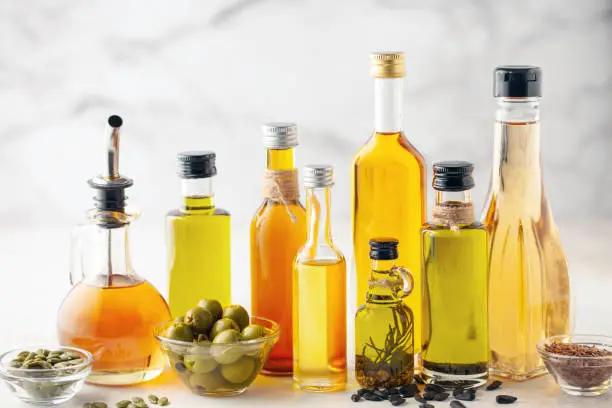
Anjakan Didorong Pasaran Ke Arah Minyak Premium
Pengguna mahukan pilihan minyak yang lebih sihat berbanding sebelum ini pada tahun lalu. Pembeli kini menyemak senarai ramuan dengan lebih kerap dan mencari label yang bersih. Minyak yang digunakan untuk perasa telah menjadi faktor utama dalam apa yang mereka beli.Minyak alpukat semakin popular kerana manfaat kesihatannya. Ia mempunyai takat asap yang tinggi (400-450°F), lemak tak tepu yang menyihatkan jantung, dan memerlukan sedikit pemprosesan.
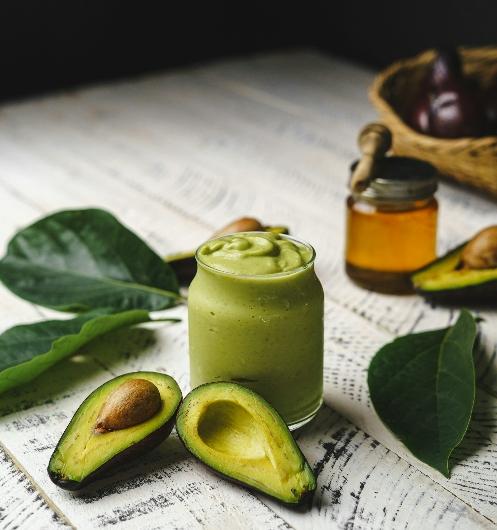
Perubahan ini bukan sahaja untuk pasaran makanan kesihatan khusus. Syarikat CPG besar dan jenama pencabar baharu sedang menukar produk mereka. Mereka menggantikan minyak tradisional dengan alternatif seperti alpukat, bunga matahari tinggi oleik atau minyak zaitun dara tambahan. Iniminyak yang lebih baik untuk anda membantu jenama memasarkan produk mereka sebagai label semula jadi, premium atau bersih. Mereka lebih menarik di kedai makanan kesihatan, tapak e-dagang kesihatan dan kelab keahlian—tempat yang menyerlahkan pemakanan pada pembungkusan.
Data pasaran menyokong arah aliran ini. Produk label bersih dengan tuntutan beretika atau alam sekitar meningkat 15% setiap tahun. Pasaran lemak dan minyak khusus yang lebih besar berkembang 7.4% setiap tahun sehingga 2030. Ini menunjukkan memilih minyak kini merupakan formulasi dan strategi pemasaran.
Minyak sebagai Ramuan Dwi-Fungsi
Minyak melakukan lebih daripada sekadar membantu perasa melekat pada makanan ringan. Ia menjejaskan rasa mulut, rasa dan perasaan snek apabila anda memakannya. Ia juga memastikan perasa melekat pada kerepek, keropok, pretzel—semua jenis makanan ringan. Minyak yang berbeza mempunyai rasa dan tekstur unik yang membantu dengan kedudukan produk:
- Minyak alpukat mempunyai rasa mentega yang halus. Ia juga sesuai dengan penjenamaan berfokuskan kesihatan.
- Minyak bunga matahari tinggi oleik mempunyai rasa yang bersih dan neutral. Ia membolehkan perasa berani—seperti barbeku atau jeruk dill—mengekalkan rasa asalnya.
- Minyak zaitun extra virgin menambah nota buah-buahan, sedap. Ia berfungsi dengan baik dengan makanan ringan Mediterranean atau gourmet.
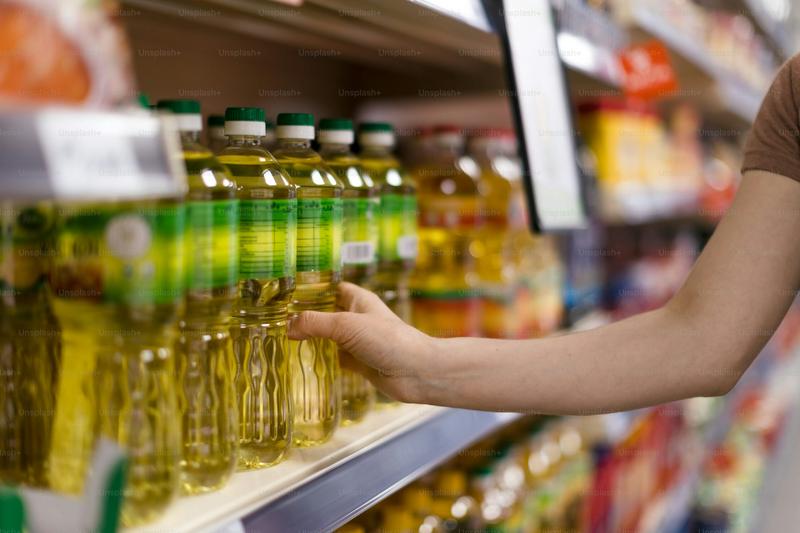
Bagaimana anda menggunakan minyak sama pentingnya untuk kualiti produk? Jika anda tidak menggunakan nisbah minyak kepada perasa yang betul atau sapukannya dengan betul, perasa boleh diasingkan dalam bungkusan. Ini membawa kepada rasa tidak sekata dan pelanggan tidak berpuas hati. Kerumitan ini bermakna bekerja dengan pengemas bersama berpengalaman adalah kunci. Mereka tahu perbezaan antara minyak dan cara menggunakannya dengan terbaik.
Pemilihan Minyak Strategik Berdasarkan Objektif Produk
Membuat makanan ringan moden bermakna memilih minyak yang sesuai dengan matlamat produk dan pasaran sasaran anda:
- Produk Perisa-Maju memerlukan minyak yang meningkatkan atau melengkapkan perasa tebal. Mereka tidak sepatutnya mengatasi rasa yang dimaksudkan.
- SKU Sedar Kesihatan fokus pada minyak dengan asid lemak baik, sedikit pemprosesan dan sumber bukan GMO. Ini menarik minat pembeli yang mementingkan kesihatan.
- Produk Stabil Rak perlukan minyak yang tidak mudah rosak. Ini memastikan mereka segar, kelihatan menarik dan rasa yang betul semasa pengedaran yang panjang.
- SKU Dioptimumkan Kos mungkin menggunakan minyak tradisional. Tetapi mereka akan mencuba campuran atau kurang minyak untuk mengurangkan kos tanpa menjejaskan kualiti.
Sesetengah jenama telah melancarkan rangkaian khusus minyak—seperti "cip cerek minyak alpukat" berbanding "cip cerek tradisional". Ini membolehkan mereka menjangkau pelanggan dan mata harga yang berbeza pada masa yang sama. Strategi ini menggunakan kepelbagaian minyak untuk meletakkan produk dengan lebih baik di kedai dan menyasarkan pelanggan.
Pertimbangan Kemampanan dan Sumber
Pengguna hari ini lebih mengambil berat tentang asal bahan—bukan hanya pemakanan mereka. Minyak tradisional seperti sawit dan kacang soya terbakar. Ia dikaitkan dengan penebangan hutan, banyak racun perosak dan GMO. Kos masih membuatkan sesetengah jenama menggunakannya. Tetapi ramai yang beralih kepada pilihan yang lebih mampan untuk memenuhi matlamat ESG.
Minyak premium—seperti bunga matahari organik, safflower dengan oleik tinggi dan alpukat yang ditekan sejuk—kini dipasarkan dengan tuntutan kemampanan. Ini termasuk "bersumberkan secara mampan," "bukan GMO," dan "ditekan sejuk." Label ini menarik minat pembeli yang mementingkan alam sekitar. Mereka juga membenarkan jenama mengenakan bayaran lebih.
Bekerjasama dengan pengemas bersama yang mengetahui tentang sumber dan pelabelan yang mampan adalah penting. Ia membolehkan produk mempunyai tuntutan kemampanan yang boleh dipercayai sambil mematuhi peraturan dan memastikan rantaian bekalan jujur.
Menskalakan Aplikasi Minyak Khusus dengan Pembungkusan Bersama Profesional
Meletakkan minyak pada makanan ringan secara besar-besaran mempunyai cabaran teknikal. Ini menjadi lebih teruk apabila menggunakan minyak premium atau sensitif suhu—seperti minyak alpukat. Minyak khusus ini memerlukan kawalan suhu khusus, pengendalian khas dan rekod terperinci. Ini mengekalkan kualiti dan mengelakkan kerosakan semasa pemprosesan.
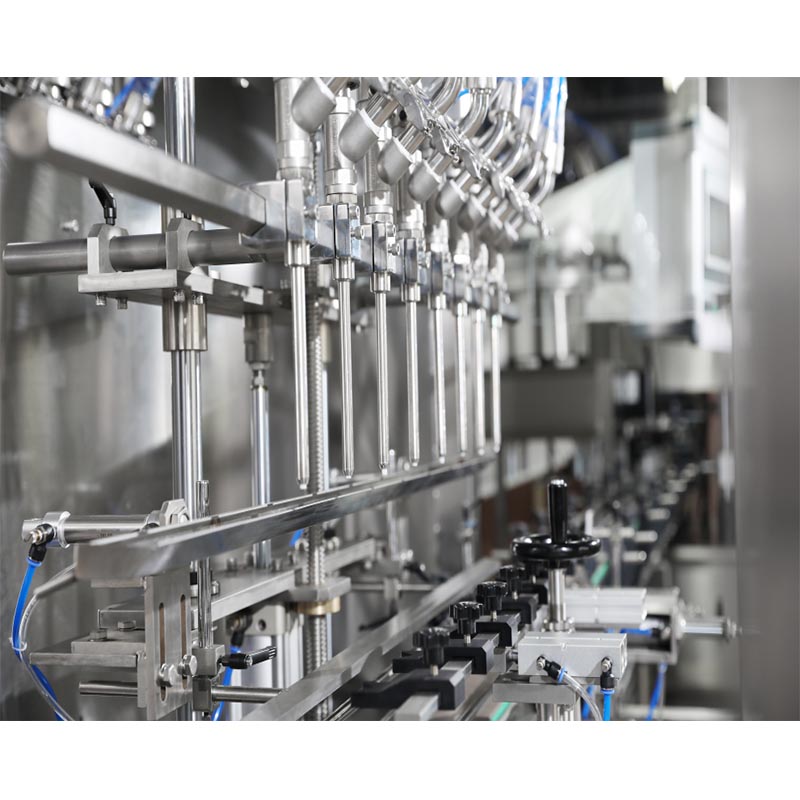
At Pek Lintyco, kami mempunyai alat canggih untuk mengendalikan kedua-dua minyak konvensional dan khusus dalam pengeluaran besar. Sistem perasa kami dibina untuk:
- Sapukan minyak dan perasa rata pada semua jenis makanan ringan kering. Kami mengawal kadar permohonan dalam lingkungan 1% daripada sasaran.
- Memelihara integriti dan tekstur produk semasa pemprosesan. Kami menggunakan pengendalian yang lembut dan peralatan yang dioptimumkan.
- Cegah pencemaran silang dan pemindahan rasa antara produk. Kami menggunakan pembersihan yang ketat dan barisan pengeluaran yang berasingan.
- Memenuhi piawaian keselamatan dan kualiti makanan yang ketat. Kami mempunyai rekod kebolehkesanan yang lengkap dan mematuhi semua peraturan.
Kami kerap membuat kerepek, pretzel, snek kembung, keropok dan produk beras. Kami menggunakan kaedah lanjutan untuk menggunakan minyak dan perasa kering. Pasukan teknikal kami membantu dengan segala-galanya—ujian minyak, kelajuan pengeluaran, nasihat perasa. Ini meningkatkan tahap perasa melekat dan memastikan produk konsisten.
Sama ada anda menukar produk sedia ada atau melancarkan produk baharu dengan minyak alpukat atau bahan menyihatkan yang lain, Lintyco Pack mempunyai kepakaran dan kapasiti untuk membawanya ke pasaran dengan cepat dan mampu milik.
Untuk mengetahui lebih lanjut tentang keupayaan perasa kami dan cara kami boleh membantu dengan produk anda yang seterusnya, lihat kamipenyelesaian pembungkusan dan pemprosesan untuk industri makanan moden.



 English
  Malay
Malay