Introduction
In the modern manufacturing world, packaging plays a very important role. It not only serves to protect and preserve the product, but also acts as the primary point of contact with the consumer. With technological advancements, various types of packaging machinery have been developed to meet the needs of different industries.
The Malaysian packaging industry is showing positive growth, with a market value reaching RM3.89 billion in 2025 and is expected to continue growing at a compound annual growth rate (CAGR) of 3.91% until 2033. The industry produced 20.8 billion units in 2023 and is expected to continue growing at a rate exceeding 21 billion units with 21% growth.
The Importance of Packaging Machinery in Business
Traces Without Automation
Without advanced packaging equipment, the business will face significant challenges:
- Increase in operating costs– Reliance on manual labor only
- Longer production time– Low efficiency
- High risk of error– Lack of accuracy in manual processes
- High monitoring costsRequires constant supervision
Advantages of Modern Packaging Machines
Modern packaging machinery offers significant benefits in terms of:
- Speed and accuracy– Accurate and fast automation
- Consistent quality– Ensuring uniform product standards
- Waste reduction– More efficient use of materials
- Enhanced visual appeal– Attractive and professional packaging
6 Main Advantages of Packaging Machines
1. Increased Efficiency
Packaging machinery significantly accelerates the product packaging process. Automated systems can handle thousands of products in less time than manual labor, leading to increased production capacity and ensuring businesses can meet market demand promptly.
2. Uniformity and Standardization
The machine consistently produces packages with uniform weight, size, and sealing. This standardized packaging enhances brand credibility and ensures consumers receive consistent product quality.
3. Long-Term Economic Benefits
Although the initial investment in packaging machinery may be substantial, the long-term financial benefits are significant. Automation reduces labor costs and optimizes material usage, cutting waste and raw material expenses.
4. Increased Security
Automation minimizes worker interaction with potentially hazardous packaging operations, reducing the risk of injury. Additionally, the machinery ensures that products are sealed in a clean environment, which is essential for items such as food and pharmaceuticals.
5. Flexibility and Versatility
Contemporary packaging equipment is highly versatile. Much of it can be modified or customized to suit a variety of products or packaging styles, allowing businesses to expand their offerings without a major investment in new machinery.
6. Reduction of Human Error
Properly maintained and calibrated machinery is less prone to errors than manual work. This accuracy results in reduced waste and a higher-quality final product.
Industries That Need Packaging Machines
Food and Beverage Industry
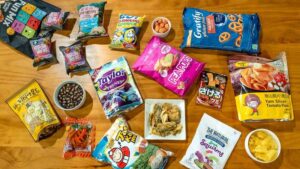
Advanced packaging machinery is essential for streamlining processes such as bottling, sealing, and labeling. This industry requires machines capable of handling a wide range of products, from beverages to snacks.
Pharmaceutical Industry
The healthcare sector requires safe and sterile packaging solutions. State-of-the-art packaging machinery ensures precise dosing and tamper-proof sealing of medications.
Cosmetics and Personal Care Industry
For products such as creams and cosmetics, precision in dosing and aesthetic appeal are extremely important. This requires advanced packaging equipment specifically designed for this sector.
Agricultural Industry
The agricultural sector relies on packaging equipment for the systematic packaging and preservation of seeds, grains, and various agricultural goods.
Chemical and Chemical Materials Industry
Whether it's household cleaning agents or industrial chemicals, strict packaging standards are essential to ensure consumer safety and regulatory compliance.
Types of Packaging Machines
Filling Machine
Liquid Filling Machine
This machine is commonly used in the food and beverage, cosmetics, pharmaceutical, and chemical industries. Based on the thickness and flow rate of the product, this machine can use the following methods:
- Gravity filler– Suitable for thin liquids such as water or juice
- Piston filler– For thick products such as tomato sauce, honey and lotions
- Vacuum fillerEnsures the filling is clean and free of foam, ideal for wine and pharmaceutical liquids
Powder Filling Machine
For materials such as flour, cocoa, protein powder, or baby formula, this machine relies on an auger-based dosing system that uses a rotating screw to measure and feed the correct amount of powder into the container.
Granule/Solid Filling Machine
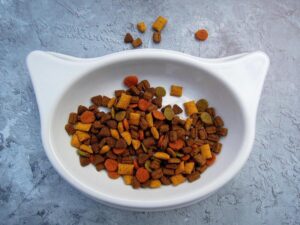
To package coffee beans, grains, nuts, pet food, or candy, this machine relies on a multi-head scale, a volumetric cup filler, or a gravity feeding system.
Sealing Machine
Heat Sealer
Using heat and pressure to fuse layers of plastic or thermoplastic materials, creating the tight seal needed to keep the product safe and undamaged.
Induction Sealer
Designed to create a seal that indicates whether the product has been opened, using electromagnetic induction to heat the foil liner inside the lid.
Capping machine
Automate the process of placing caps on bottles with consistent torque and speed, capable of handling various types of caps with high precision.
Vacuum Sealer
Removes air from packaging and creates an airtight seal, helping to stop oxidation and keep food fresher for longer.
Wrapping Machine
Shrinking the Bandage
Using heat to tightly wrap products in plastic film, which operates in conjunction with a shrink tunnel to make the film shrink uniformly.
Stretch Wrap
Used primarily to secure and consolidate pallet loads by wrapping stretch film around them, it is essential to ensure the product remains safe during transportation.
Flow-wrap Packaging (HFFS)
Wrapping individual items in a continuous packaging stream using a single roll of film and sealing it at both ends.
Form Fill Seal Machine (FFS)
Vertical Form Fill Seal (VFFS)
Suitable for packaging powders, granules, liquids, and small solids, it vertically draws film rolls to form pouches, dispenses the product, and seals the bag.
Horizontal Form-Fill-Seal (HFFS)
Suitable for solid or fragile products that need to be placed horizontally, taking film rolls and forming them into horizontal packages.
Labeling machine
Edge and Side Labeling
Built to attach labels to the side or flat surface of rectangular or square packages, with an adjustable applicator and vision system for precise placement.
Round Bottle Label
Designed to apply labels to bottles, jars, and tubes, ensuring that branding and product information are neatly aligned without wrinkles.
End-of-Line Packaging Machinery
sender
Allows product movement through the packaging process, adjustable for different speeds, directions, and load types.
Case Packaging
Enables automatic packaging of products into boxes or cartons, increasing speed and accuracy in the packaging process.
Case Sealer
Seal and make the box airtight with tape or a heat seal after the product is placed, ensuring each container is sealed consistently.
Palletizers
Arranging cases or finished products in a fixed, secure pattern on pallets, making staff work easier and ensuring the goods are transported safely.
Cost of Packaging Machines in Malaysia
Price Range by Category
Entry-Level Machine
- price: RM20,000 – RM60,000
- typeSemi-automatic sealer, small filling machine
- Suitable forSmall businesses and startups
Mid-Range Machine
- price: RM80,000 – RM200,000
- typeForm filling sealing machine, automatic labeling machine
- Suitable forA medium-sized business with higher production requirements
Fully Automatic Machine
- price: RM400,000 and above
- typeHigh-speed VFFS system, robotic palletizer
- Suitable forLarge-scale industry with high production requirements
Factors Affecting Price
| Factor | Description | Cost Impact |
| Type of machine | Different machines have different functions. | tall |
| Level of Automation | Fully automatic vs. semi-automatic machine | Very High |
| Production Capacity | High-volume vs. low-volume machine | tall |
| Advanced Features | Touchscreen interface, programmable controls | Simple |
| Build Quality | High-quality materials and components | tall |
| Brand | Well-known brand vs lesser-known brand | Simple |
| Compliance | Specific industry standards (FDA, CE) | Simple |
Features of the Best Supplier
Product Quality
- CertificationISO, CE, FDA
- WarrantyMinimum 1 year
- Technical support24/7 or as needed
After-Sales Service
- TrainingFor machine operators
- Maintenance: Routine and emergency schedule
- Spare partsLong-term availability
Technical Support
- InstallationProfessional and punctual
- ConsultationSelection of the appropriate machine
- to fixOn-site or on the premises
Conclusion
Packaging machinery plays a vital role in Malaysia's dynamic commercial landscape. With industry growth expected to be positive and an increasing emphasis on automation and sustainability, investing in the right packaging machinery is critical for long-term business success.
For new businesses, there are compact, cost-effective machines that offer scalability and adaptability. For established firms, advanced packaging systems are available to efficiently manage large-scale operations, ensuring consistent and rapid production continuity.
The selection of the right packaging machinery, along with proper maintenance and reliable supplier support, will help Malaysian businesses remain competitive in an increasingly challenging global market.



 English
  Malay
Malay