Pernahkah anda terfikir tentang perjalanan teh anda sebelum ia sampai ke cawan anda? Ia adalah cerita yang menarik, denganpembungkusan teh memainkan peranan penting. Artikel ini meneroka sejarahpembungkusan teh, daripada kaedah mudah kepadaboleh dikitar semula pilihan yang kita lihat hari ini. Ia menyerlahkan bagaimana kecintaan kami terhadap teh telah mendorong inovasi dan meningkatkan kesedaran kami tentangkelestarian.
Bagaimana Orang Mula-mula Membawa Pembungkusan Teh Berharga Mereka Lama Dahulu?
Sebelum kedatangan khususpembungkusan teh, orang ramai menggunakan kaedah mudah dan praktikal untuk mengangkut teh. Kaedah awal termasuk menggabungkan daun teh besar dengan gentian semula jadi seperti benang berasaskan tumbuhan atau memampatkannya menjadi batu bata atau kek untuk pengangkutan yang lebih mudah. Bata teh ini berharga dan kadangkala digunakan sebagai mata wang di kawasan tertentu. Untuk perjalanan yang lebih jauh, teh diletakkan dalam bakul tenunan atau kantung yang diperbuat daripada kulit haiwan, menawarkan perlindungan daripada kelembapan dan unsur-unsur. Kaedah bijak ini menyerlahkan peranan penting teh yang dimainkan walaupun tanpa pembungkusan yang canggih.
Bilakah Idea Pembungkusan Teh untuk Dijual Benar-benar Bermula?
Peralihan daripada hanya mengangkut teh kepadapembungkusan teh untuk dijual menandakan detik penting dalam sejarah teh. Apabila teh menjadi lebih meluas dan laluan perdagangan berkembang, kemunculan rumah teh dan kedai mewujudkan permintaan untuk pembungkusan yang seragam dan rapi. Komersil awalpembungkusan teh termasuk paket dan bekas kertas ringkas, membolehkan peniaga menimbang dan membungkus teh untuk jualan individu. Kebangkitan budaya teh, terutamanya di Eropah dan Britain, mendorong keperluan untuk pembungkusan yang lebih terperinci untuk menarik pelanggan dan mencerminkan kualiti teh, meletakkan asas untuk teknologi canggih masa kini.pembungkusan teh industri.
Apakah Antara Rekaan Terawal dan Paling Cantik untuk Pembungkusan Teh?
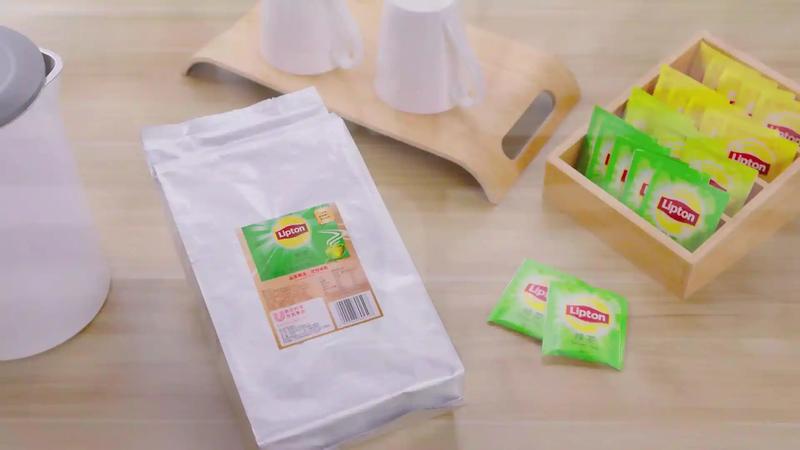
Apabila persaingan di kalangan peniaga teh semakin sengit,pembungkusan teh reka bentuk menjadi semakin penting. Pembungkusan hiasan awal sering menampilkan kotak kayu yang direka dengan indah bertatahkan ibu mutiara atau bahan berharga lain, mengubahnya menjadi objek seni. Kanister seramik dengan lukisan rumit landskap Cina atau motif bunga juga popular, bertujuan untuk digunakan semula dan mencerminkan pendekatan penggunaan yang berbeza. Dengan kemajuan dalam percetakan, label kertas berwarna-warni dengan tipografi elegan dan nama pedagang menjadi biasa, mewujudkan usaha penjenamaan awal. Reka bentuk hiasan ini bukan sahaja melindungi teh tetapi juga menyampaikan asal usul dan kualitinya, menjadikannya sangat boleh dikoleksi hari ini.
Bagaimanakah Ciptaan Pembungkusan Uncang Teh Mengubah Cara Kami Menikmati Teh?
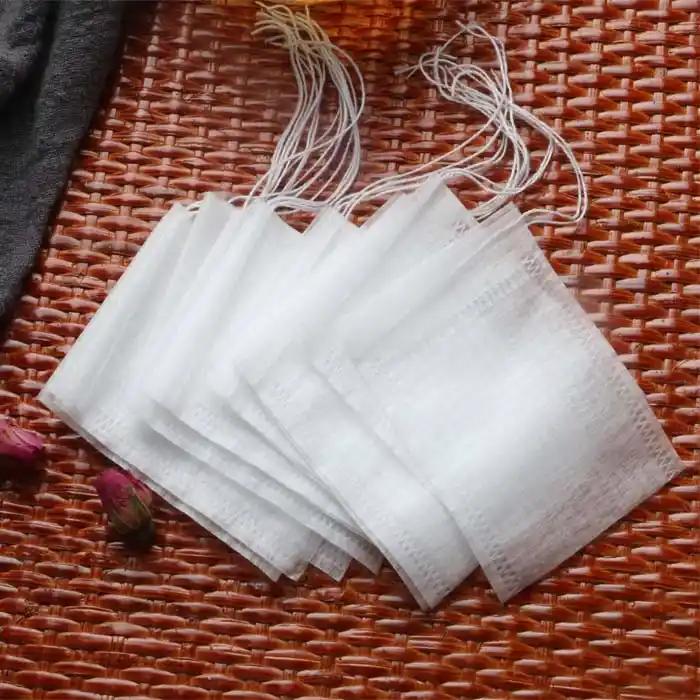
Ciptaanpembungkusan uncang teh merevolusikan penggunaan teh. Sebelum uncang teh, membancuh teh perlu menyukat daun yang longgar dan menggunakan penyedut atau penapis. Konsep uncang teh, sama ada secara tidak sengaja atau disengajakan, memperkenalkan cara yang mudah untuk membancuh teh dengan merendam kantung yang telah dibungkus. Uncang teh awal dijahit tangan daripada sutera atau muslin, tetapi pembangunan kertas boleh kedap haba membolehkan pengeluaran besar-besaran, menjadikan teh lebih mudah diakses dan mudah. Inovasi ini meluaskan daya tarikan teh dan mengukuhkan kedudukannya dalam kehidupan moden dengan memudahkan proses membancuh dan memastikan kualiti yang konsisten.
Apakah Peranan Bahan Seperti Timah Dalam Sejarah Pembungkusan Teh?
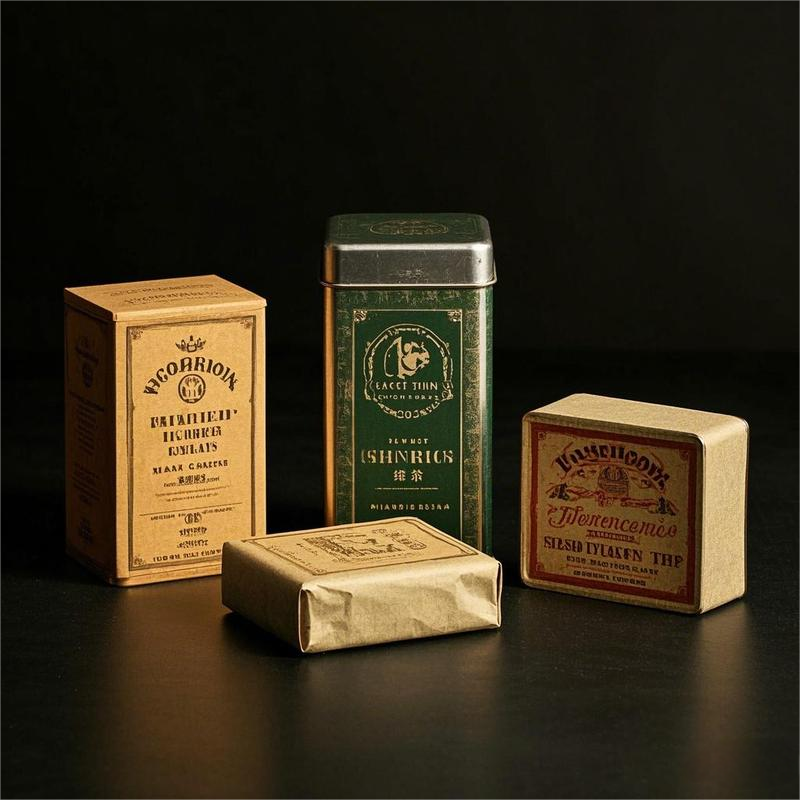
Timah menjadi bahan penting dalampembungkusan teh semasa abad ke-19 dan ke-20. Pelat timah, keluli disalut dengan timah, menawarkan ketahanan, sifat ringan dan penghalang yang sangat baik terhadap kelembapan, cahaya dan udara, penting untuk mengekalkan rasa dan aroma teh. Caddy teh vintaj yang diperbuat daripada timah dikagumi kerana ketahanan dan potensi hiasannya, selalunya menampilkan reka bentuk dan penjenamaan yang rumit. Tin dibenarkan untuk bentuk dan saiz yang boleh disesuaikan, meningkatkan daya tarikan estetik dan kebolehkumpulanpembungkusan teh. Malah pada hari ini, timah kekal sebagai pilihan klasik untuk premiumpembungkusan teh, melambangkan kualiti dan tradisi.
Bilakah Kemampanan Menjadi Tumpuan Utama dalam Pembungkusan Teh?
Walaupun pembungkusan teh awal menggunakan bahan semula jadi dan terbiodegradasi,kelestarian in pembungkusan teh semakin terkenal sejak kebelakangan ini. Sepanjang abad ke-20, tumpuan diberikan kepada kemudahan dan keberkesanan kos, selalunya mengakibatkan penggunaan plastik dan lamina tidak boleh dikitar semula. Walau bagaimanapun, kesedaran alam sekitar yang semakin meningkat telah mengalihkan industri ke arah pilihan mesra alam. Inovasi termasuk uncang teh boleh terbiodegradasi yang diperbuat daripada bahan berasaskan tumbuhan, pembungkusan kadbod kitar semula dan filem boleh kompos. Peralihan ini ke arahkelestarian mencerminkan komitmen industri teh untuk mengurangkan jejak alam sekitar dan menyelaraskan dengan nilai pengguna.
Bagaimanakah Pembungkusan untuk Pelbagai Jenis Teh, Seperti Teh Merah dan Teh Hijau, Berevolusi?
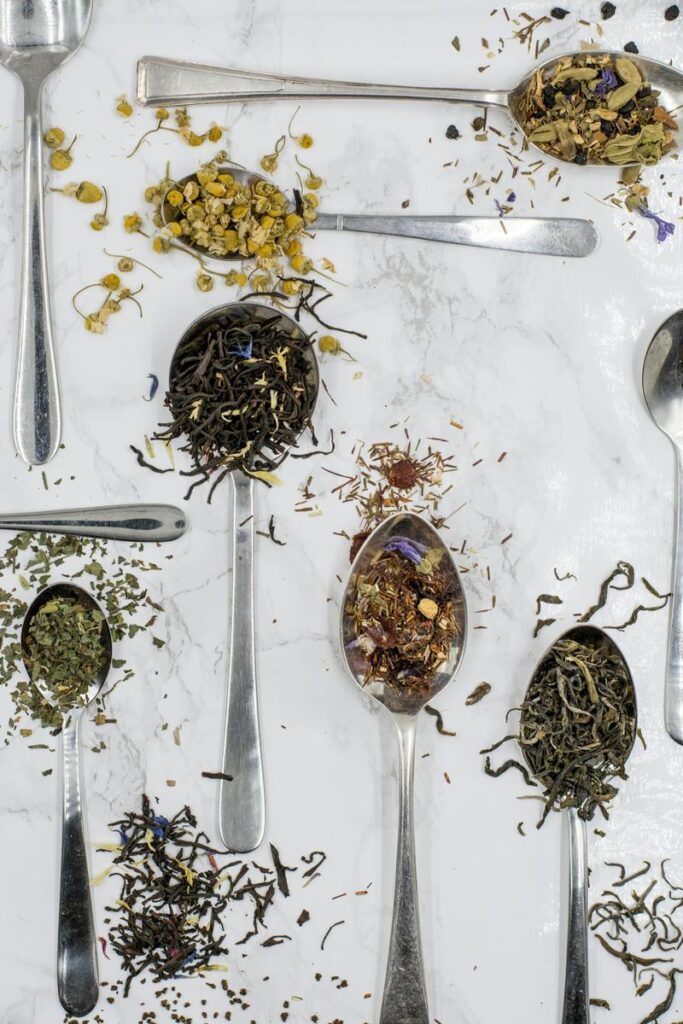
Pembungkusan untuk pelbagai jenis teh, sepertiteh merah (rooibos) danteh hijau, telah berkembang untuk memenuhi keperluan khusus mereka.Teh hijau, yang terkenal dengan rasa yang halus dan kepekaan terhadap pengoksidaan, selalunya dibungkus dalam bekas kedap udara seperti beg atau tin bertutup vakum untuk mengekalkan kesegaran. Jepun tradisionalpembungkusan teh hijau menekankan reka bentuk minimalis dan bahan semula jadi seperti kertas atau buluh.teh merah, secara semula jadi bebas kafein dan berasal dari Afrika Selatan, menampilkan pembungkusan yang menyerlahkan kualiti semula jadi dan herbanya, selalunya menggunakan imejan yang mencerminkan asal usulnya. Pendekatan pembungkusan yang disesuaikan ini memastikan pengekalan ciri dan daya tarikan unik setiap jenis teh.
Bagaimana pula dengan Pembungkusan Khas untuk Teh Halus Seperti Pembungkusan Teh Bunga?
Teh halus, terutamanyapembungkusan teh bunga, memerlukan pembungkusan khusus untuk mengekalkan kecantikan dan integritinya. Teh ini, yang selalunya termasuk daun teh yang dijahit tangan dan bunga yang boleh dimakan, dibungkus dalam bekas jernih seperti balang kaca atau kotak plastik lutsinar. Ini membolehkan gubahan bunga yang rumit dipamerkan sambil melindunginya daripada kerosakan semasa pengangkutan. Kadangkala, bunga teh individu diletakkan di dalam petak berasingan dalam kotak yang lebih besar untuk mengelakkan penghancuran. Pembungkusan khusus ini bukan sahaja memastikan pemeliharaan teh tetapi juga meningkatkan daya tarikan visualnya, mencerminkan sifat artisan dan premium teh halus ini.
Apakah Antara Penyelesaian Pembungkusan Teh Paling Inovatif dan Boleh Dikitar Semula Yang Kita Lihat Hari Ini?
Desakan untukkelestarian telah membawa kepada inovatif danboleh dikitar semula pembungkusan teh penyelesaian. Industri ini beralih daripada uncang teh berlapis plastik tradisional ke arah pilihan terbiodegradasi yang diperbuat daripada bahan seperti kanji jagung, selulosa atau gentian tebu, yang boleh dikompos di rumah atau industri. Pembungkusan kadbod, sering menggunakan bahan kitar semula dan direka bentuk untuk kitar semula yang mudah, semakin berleluasa. Syarikat juga meneroka reka bentuk pembungkusan yang meminimumkan penggunaan bahan dan bentuk inovatif yang mengurangkan pembaziran. Selain itu, dakwat dan pelekat mesra alam sedang diguna pakai untuk mengurangkan lagi kesan ekologi, menunjukkan komitmen industri teh terhadap amalan mampan.
Apakah Masa Depan untuk Dunia Pembungkusan Teh?
masa depanpembungkusan teh bersedia untuk inovasi berterusan didorong oleh kebimbangan alam sekitar dan pilihan pengguna. Kita boleh menjangkakan perkembangan yang lebih canggihboleh dikitar semula dan bahan kompos, seperti uncang teh yang larut sepenuhnya dalam air panas, tidak meninggalkan sisa. Ciri pembungkusan pintar, seperti penunjuk kesegaran atau elemen interaktif yang memberikan maklumat tentang asal-usul teh dan arahan membancuh, mungkin akan muncul. Trend ke arah pembungkusan minimalis, memfokuskan pada fungsi dan mengurangkan penggunaan bahan, akan berterusan. Secara keseluruhannya, masa depanpembungkusan teh akan mengimbangi kemampanan, kemudahan, dan penghargaan yang berkekalan untuk upacara minum teh.


 English
  Malay
Malay