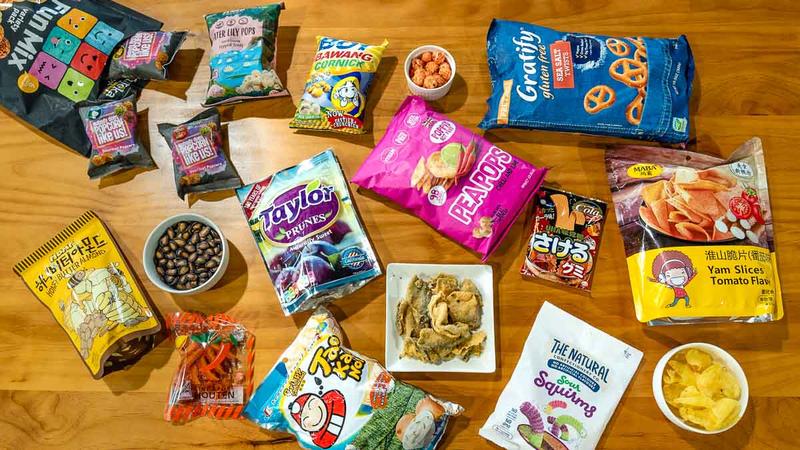
Pembungkusan makanan adalah proses terakhir industri makanan moden. Ia memainkan peranan penting dalam melindungi, mempromosikan dan memudahkan penyimpanan, pengangkutan dan penjualan makanan. Sedikit sebanyak ia memberi kesan langsung atau tidak langsung terhadap kualiti makanan yang bukan sahaja membahayakan kesihatan pengguna, malah turut menjejaskan pembangunan sihat seluruh industri pembungkusan makanan negara saya malah industri makanan. Pembungkusan makanan berkait rapat dengan keselamatan makanan. Pembungkusan makanan mesti memastikan sanitasi dan keselamatan makanan yang dibungkus. Pada masa ini, bekas makanan dan bahan pembungkus yang dibenarkan untuk digunakan di negara saya boleh dibahagikan kepada produk plastik; produk getah asli dan sintetik; bekas seramik dan enamel; aluminium, keluli tahan karat, bekas besi; bekas kaca; kertas pembungkus makanan; filem komposit, beg filem komposit; buluh dan kayu; kapas dan linen, dsb.
Analisis Keselamatan Bahan Pembungkus Makanan
plastik
Plastik ialah bahan polimer yang diperbuat daripada polimer-resin molekul tinggi sebagai komponen asas, dan kemudian menambah beberapa pelbagai bahan tambahan untuk meningkatkan prestasinya. Sebagai bintang yang semakin meningkat dalam bahan pembungkusan, bahan pembungkusan plastik telah menjadi bahan pembungkusan yang paling pesat berkembang di dunia dalam tempoh 40 tahun yang lalu kerana bahan mentahnya yang kaya, kos rendah, prestasi cemerlang, ringan dan penampilan yang cantik. Penghijrahan dan pembubaran bahan toksik dan berbahaya yang tinggal dalam bahan pembungkus plastik membawa kepada pencemaran makanan, terutamanya dalam aspek berikut.
Ketoksikan resin itu sendiri
Monomer bebas yang tidak dipolimerkan, produk retak (vinil klorida, stirena, fenol, getah nitril, formaldehid), produk degradasi dan bahan toksik yang dihasilkan oleh penuaan dalam resin semuanya mempunyai kesan ke atas keselamatan makanan. Pentadbiran Makanan dan Ubat-ubatan AS menegaskan bahawa ia bukan polivinil klorida (PVC) itu sendiri tetapi vinil klorida (VCM) yang tinggal dalam PVC yang boleh menyebabkan kanser selepas pengambilan oral, dan oleh itu melarang produk PVC daripada digunakan sebagai bahan pembungkus makanan. Monomer vinil klorida (VCM) bebas polivinil klorida mempunyai kesan anestetik dan boleh menyebabkan pengecutan saluran darah pada anggota badan manusia dan menghasilkan kesakitan. Ia juga mempunyai kesan karsinogenik dan teratogenik. Ia membentuk vinil klorida oksida dalam hati, yang mempunyai kesan alkilasi yang kuat dan boleh bergabung dengan DNA untuk menghasilkan tumor [1]. Bahan sisa dalam polistirena seperti stirena, etilbenzena, toluena dan isopropilbenzena menimbulkan ancaman kepada keselamatan makanan. Stirena boleh menghalang pembiakan tikus dan mengurangkan berat hati dan buah pinggang. Polietilena berat molekul rendah larut dalam minyak dan lemak untuk menghasilkan bau berlilin, menjejaskan kualiti produk. Sejauh mana bahan berbahaya ini menjejaskan keselamatan makanan bergantung pada kepekatan bahan ini dalam bahan, ketatnya gabungan, sifat makanan yang bersentuhan dengan bahan, masa, suhu dan keterlarutan dalam makanan .
Pencemaran permukaan pembungkusan plastik
Kerana plastik mudah dicas, ia mudah menyerap habuk dan mikroorganisma, sekali gus mencemarkan makanan.
Ketoksikan bahan tambahan seperti penstabil, pemplastis, dan pewarna yang ditambah semasa proses pembuatan produk plastik
Kajian saintifik yang dijalankan oleh Profesor Li Shuguang dari Kolej Perubatan Asas Universiti Tongji dan pasukan penyelidiknya menunjukkan bahawa pencemaran plasticizer dalam makanan negara saya hampir di mana-mana. Kajian mendapati hampir semua jenama tong plastik minyak makan mengandungi dua pemplastis, "dibutyl phthalate (DBP)" dan "dioctyl phthalate (DOP)", manakala tong besi minyak makan mengandungi hampir tiada .
Pencemaran makanan yang disebabkan oleh sejumlah besar bahan tambahan toksik, logam berat, pigmen, virus, dll. dalam plastik kitar semula yang digunakan secara haram
Kitar semula dan penggunaan semula bahan plastik adalah trend umum. Disebabkan oleh kerumitan saluran kitar semula, bahan berbahaya sering kekal pada bekas kitar semula, menjadikannya sukar untuk memastikan pembersihan dan pemprosesan lengkap. Untuk menutup kecacatan kualiti produk kitar semula, sesetengahnya sering menambah sejumlah besar cat, mengakibatkan banyak sisa pigmen cat, menyebabkan pencemaran makanan. Atas sebab peraturan, walaupun sejumlah besar plastik sisa perubatan dikitar semula, yang menimbulkan bahaya tersembunyi kepada keselamatan makanan.
Pencemaran dakwat
Bahan utama dalam dakwat ialah pigmen, resin, aditif dan pelarut. Pengeluar dakwat sering mempertimbangkan kesan resin dan bahan tambahan terhadap keselamatan, tetapi mengabaikan bahaya tidak langsung pigmen dan pelarut terhadap keselamatan makanan. Sesetengah dakwat akan menambah beberapa promoter, seperti siloksan, untuk meningkatkan lekatan. Bahan tersebut akan menyebabkan kumpulan tersebut memutuskan ikatan pada suhu pengeringan tertentu dan menghasilkan bahan seperti metanol, yang akan menyebabkan kemudaratan kepada sistem saraf manusia. Dakwat yang dicetak pada beg pembungkus makanan plastik mempunyai kesan yang lebih besar terhadap keselamatan makanan kerana beberapa bahan toksik seperti benzena tidak mudah meruap. Dalam beberapa tahun kebelakangan ini, kadar lulus beg pembungkusan makanan plastik di pelbagai tempat secara amnya rendah, hanya 50% hingga 60%. Perkara utama yang tidak layak adalah sisa benzena yang berlebihan, dsb. Sebab utama benzena berlebihan ialah penggunaan pelarut yang mengandungi benzena untuk mencairkan dakwat semasa proses pencetakan pembungkusan plastik.
Pelekat untuk filem komposit
Pelekat boleh dibahagikan secara kasar kepada pelekat polieter dan poliuretana. Pelekat polieter secara beransur-ansur dihapuskan, manakala pelekat poliuretana tersedia dalam dua jenis: alifatik dan aromatik. Pelekat juga boleh dibahagikan kepada pelekat berasaskan air, pelekat berasaskan pelarut, dan pelekat bebas pelarut mengikut jenis penggunaannya. Pelekat berasaskan air tidak akan memberi banyak kesan ke atas keselamatan makanan, tetapi disebabkan oleh batasan fungsi, ia tidak digunakan secara meluas di negara saya [4]. Pelekat berasaskan pelarut masih digunakan terutamanya di negara saya [5]. Dari segi keselamatan makanan, kebanyakan orang hanya percaya bahawa jika sisa pelarut tidak tinggi, ia tidak akan menjejaskan keselamatan makanan. Sebenarnya, ini hanya sebelah pihak. 99% daripada pelekat berasaskan pelarut yang digunakan di negara saya ialah pelekat aromatik [6]. Ia mengandungi isosianat aromatik. Selepas membungkus makanan dengan beg jenis ini dan kemudian mengukusnya pada suhu tinggi, ia boleh berhijrah ke dalam makanan dan menghidrolisiskan untuk membentuk amina aromatik, yang merupakan karsinogen. negara saya pada masa ini tidak mempunyai piawaian kebangsaan untuk pelekat yang digunakan dalam pembungkusan makanan, dan tiada penunjuk kandungan logam berat dalam piawaian korporat pelbagai pengeluar dan pembekal. Walau bagaimanapun, terdapat sekatan ketat terhadap amina aromatik dalam pembungkusan makanan asing. Sebagai contoh, EU menetapkan bahawa jumlah penghijrahannya adalah kurang daripada 10ppb .
kertas
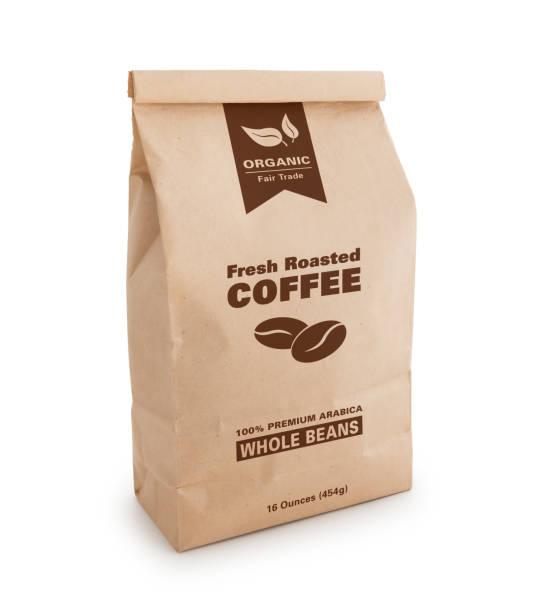
Bahan pembungkusan kertas menduduki kedudukan yang sangat penting dalam pembungkusan makanan kerana kelebihannya yang unik. Di sesetengah negara maju, bahan pembungkusan kertas menyumbang 40% hingga 50% daripada jumlah bahan pembungkusan, dan negara saya menyumbang kira-kira 40%. Piawaian kebangsaan mempunyai peraturan mengenai penunjuk kebersihan, penunjuk fizikal dan kimia dan penunjuk mikrob kertas asas pembungkusan makanan. Kertas tulen adalah bersih, tidak toksik dan tidak berbahaya, dan boleh diuraikan oleh mikroorganisma dalam keadaan semula jadi, tanpa pencemaran kepada alam sekitar. Sumber bahan berbahaya dalam kertas dan kesannya terhadap keselamatan makanan terutamanya wujud dalam aspek berikut.
Pencemaran yang disebabkan oleh bahan mentah pembuatan kertas itu sendiri
Bahan mentah untuk menghasilkan kertas pembungkus makanan termasuk pulpa kayu, pulpa jerami, dsb., yang mengandungi sisa racun perosak. Sesetengah menggunakan bahagian tertentu kertas buangan kitar semula untuk membuat kertas, kerana walaupun kertas buangan kitar semula telah dilunturkan, ia hanya mengeluarkan pigmen dakwat, manakala bahan berbahaya seperti plumbum, kadmium, dan bifenil polychlorinated masih boleh kekal dalam pulpa; sesetengah menggunakan bahan mentah berkulat untuk menghasilkan, supaya produk siap mengandungi sejumlah besar acuan.
Bahan tambahan dalam proses pembuatan kertas
Pembuatan kertas memerlukan penambahan bahan kimia pada pulpa, seperti agen tidak telap, agen saiz, pengisi, agen peluntur, pewarna, dsb. Kebanyakan bahan larut lesap dalam kertas berasal daripada bahan tambahan, pewarna dan pigmen bukan organik pulpa. Pelbagai logam sering digunakan, dan logam ini boleh larut walaupun pada tahap mg/kg dan menyebabkan penyakit [2]. Sebagai contoh, dalam proses pemprosesan kertas, terutamanya apabila menggunakan pulping kimia, kertas dan papan kertas biasanya mempunyai sisa kimia tertentu, seperti alkali dan garam yang tertinggal daripada proses pulping sulfat. Undang-undang Keselamatan dan Sanitasi Makanan menetapkan bahawa pewarna pendarfluor atau pencerah pendarfluor dilarang digunakan dalam bahan pembungkus makanan, kerana ia adalah karsinogen [7]. Selain itu, agen antikulat atau formaldehid yang digunakan dalam pemprosesan resin juga boleh dilarutkan daripada produk kertas.
Pencemaran yang disebabkan oleh dakwat
negara saya tidak mempunyai dakwat khas untuk pembungkusan makanan. Dakwat yang dicetak pada pembungkusan kertas kebanyakannya adalah dakwat gravure berasaskan pelarut organik yang mengandungi toluena dan xilena. Untuk mencairkan dakwat, pelarut yang mengandungi benzena sering digunakan, mengakibatkan pelarut benzena yang berlebihan. Pelarut Benzena tidak dibenarkan digunakan dalam standard GB9685, tetapi ia masih digunakan dalam kuantiti yang banyak; kedua, pigmen dan pewarna yang digunakan dalam dakwat mengandungi logam berat (plumbum, kadmium, merkuri, kromium, dll.), anilin atau sebatian cincin pekat, yang menyebabkan pencemaran logam berat, dan anilin atau pewarna cincin pekat adalah karsinogen yang jelas. Apabila mencetak, ia disusun bersama, menyebabkan permukaan tidak bercetak menyentuh dakwat, membentuk pencemaran sekunder. Oleh itu, bahan berbahaya dalam dakwat percetakan pembungkusan kertas mempunyai kesan serius terhadap keselamatan makanan. Untuk memastikan keselamatan pembungkusan makanan, penggunaan percetakan bebas benzena akan menjadi trend pembangunan.
Pencemaran semasa penyimpanan dan pengangkutan
Permukaan pembungkusan kertas tercemar oleh habuk, kekotoran dan mikroorganisma semasa penyimpanan dan pengangkutan, yang menjejaskan keselamatan makanan.
logam
Bahan pembungkusan logam adalah salah satu bahan pembungkusan tradisional dan telah digunakan untuk pembungkusan makanan selama hampir 200 tahun. Bahan pembungkus logam diproses menjadi pelbagai bentuk bekas dengan kepingan logam atau foil sebagai bahan mentah untuk membungkus makanan. Disebabkan kelebihan sifat penghalang tinggi, rintangan suhu tinggi dan rendah, dan kitar semula sisa yang mudah, bahan pembungkus logam semakin digunakan dalam pembungkusan makanan. Kelemahan terbesar logam sebagai bahan pembungkus makanan ialah kestabilan kimia yang lemah dan rintangan asid dan alkali. Khususnya, ia mudah terhakis apabila digunakan untuk membungkus makanan yang sangat berasid, dan ion logam mudah dimendakan, sekali gus menjejaskan rasa makanan. Masalah keselamatan utama bekas besi ialah zink akan berpindah ke makanan selepas lapisan tergalvani menyentuh makanan, menyebabkan keracunan makanan. Bahan aluminium mengandungi unsur-unsur seperti plumbum dan zink, dan pengambilan jangka panjang akan menyebabkan keracunan kumulatif kronik; aluminium mempunyai rintangan kakisan yang lemah dan terdedah kepada tindak balas kimia untuk mendakan atau menghasilkan bahan berbahaya, dan sukar untuk mengawal kekotoran dan logam berbahaya aluminium kitar semula; produk keluli tahan karat mengandungi sejumlah besar nikel, yang menjadikan permukaan bekas hitam apabila tertakluk kepada suhu tinggi. Pada masa yang sama, pemindahan habanya yang cepat menjadikannya mudah untuk gelatin dan denaturasi bahan tidak stabil dalam makanan, dan mungkin juga menghasilkan karsinogen. Keluli tahan karat tidak boleh bersentuhan dengan etanol, yang boleh melarutkan nikel dan menyebabkan keracunan kronik dalam tubuh manusia. Oleh itu, secara amnya perlu menggunakan cat pada dinding dalam dan luar bekas logam. Salutan dinding dalam ialah salutan organik yang digunakan pada dinding dalam tin logam, yang boleh menghalang kandungan daripada sentuhan langsung dengan logam, mengelakkan kakisan elektrokimia, dan meningkatkan jangka hayat makanan. Walau bagaimanapun, bahan pencemar kimia dalam salutan juga akan berhijrah ke kandungan semasa pemprosesan dan penyimpanan tin, menyebabkan pencemaran. Bahan tersebut termasuk BPA (bisphenol-A), LENCANA (bisphenol-A diglycidyl ether), NOGE (fenolik varnis gliserol eter) dan derivatifnya. Derivatif epoksi Bisphenol-A ialah hormon persekitaran yang memasuki badan melalui makanan dalam tin, menyebabkan ketidakseimbangan endokrin dan mutasi genetik.
kaca
Kaca adalah bahan pembungkusan kuno. Lebih daripada 3,000 tahun dahulu, orang Mesir mula-mula membuat bekas kaca, dan sejak itu, kaca telah menjadi bahan pembungkus makanan dan barangan lain. Kaca ialah hasil cair silikat, oksida logam, dll. Ia adalah bahan lengai yang tidak toksik dan tidak berbahaya. Ciri terbesar kaca sebagai bahan pembungkusan ialah: penghalang tinggi, terang dan telus, kestabilan kimia yang baik, dan mudah dibentuk. Penggunaannya menyumbang kira-kira 10% daripada jumlah bahan pembungkusan.
Pembubaran bahan toksik semasa lebur
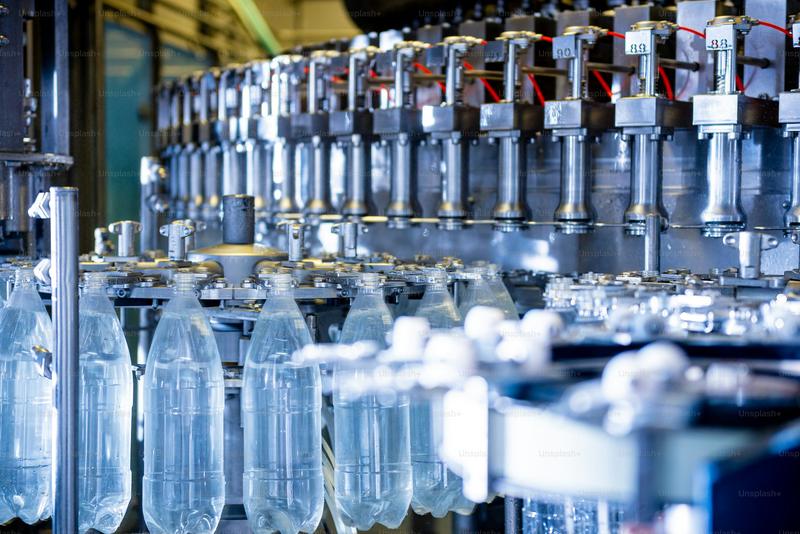
Secara umumnya, ion dalaman kaca diikat rapat. Selepas lebur suhu tinggi, kebanyakannya membentuk bahan garam tidak larut dengan sifat lengai kimia yang sangat baik, yang tidak bertindak balas dengan makanan yang dibungkus dan mempunyai keselamatan pembungkusan yang baik. Walau bagaimanapun, produk kaca yang tidak cair dengan baik mungkin mempunyai masalah bahan toksik yang terlarut daripada bahan mentah kaca. Oleh itu, produk kaca hendaklah direndam dalam air atau dipanaskan dengan asid cair. Makanan dan ubat dengan keperluan pembungkusan yang ketat boleh menukar gelas soda-limau kepada kaca borosilikat. Pada masa yang sama, perhatian harus diberikan kepada kualiti pencairan kaca dan pemprosesan pengacuan untuk memastikan keselamatan makanan yang dibungkus.
Kandungan logam berat yang berlebihan
Barangan kaca mewah seperti gelas wain kaki tinggi sering menambah sebatian plumbum, dan jumlah yang ditambah biasanya setinggi 30% kaca. Ini adalah isu keselamatan yang lebih menonjol dalam barangan kaca.
Bahaya keselamatan bahan pewarna dalam kaca berwarna
Untuk mengelakkan cahaya berbahaya daripada merosakkan kandungan, pelbagai pewarna digunakan untuk mewarnakan kaca. Isu keselamatan utama garam logam yang ditambah ialah penghijrahan bahan terlarut daripada kaca. Sebagai contoh, sebatian plumbum yang ditambah boleh berhijrah ke dalam wain atau minuman, dan silikon dioksida juga boleh dilarutkan .
Seramik
Berbanding dengan bekas yang diperbuat daripada logam, plastik dan bahan pembungkusan lain, bekas seramik boleh mengekalkan rasa makanan dengan lebih baik. Sebagai contoh, dadih kacang ditapai yang dibungkus dalam bekas seramik adalah lebih berkualiti daripada dadih kacang ditapai yang dibungkus dalam bekas plastik kerana bekas seramik mempunyai kekedapan udara yang baik dan susunan antara molekul seramik tidak terlalu ketat, yang tidak dapat menyekat udara sepenuhnya, yang kondusif untuk penapaian dadih kacang yang ditapai kemudian.
Isu kebersihan dan keselamatan bahan pembungkus seramik yang digunakan dalam pembungkusan makanan terutamanya merujuk kepada pelarutan unsur logam berat plumbum atau kadmium dalam lapisan sayu pada permukaan seramik berlapis. Umumnya dipercayai bahawa bekas pembungkusan seramik adalah tidak toksik, bersih dan selamat, dan tidak akan mempunyai sebarang tindak balas buruk dengan makanan yang dibungkus. Walau bagaimanapun, kajian jangka panjang telah menunjukkan bahawa glazes terutamanya terdiri daripada pelbagai oksida logam dan garamnya seperti plumbum, zink, kadmium, antimoni, barium, kuprum, kromium dan kobalt, yang kebanyakannya adalah bahan berbahaya. Seramik dibakar pada 1000-1500°C. Jika suhu pembakaran rendah, sayu berwarna gagal membentuk silikat tidak larut. Apabila menggunakan bekas seramik, bahan toksik dan berbahaya mudah larut dan mencemarkan makanan . Contohnya, apabila mengandungi makanan berasid (seperti cuka, jus) dan wain, bahan ini mudah larut dan berhijrah ke dalam makanan, menyebabkan masalah keselamatan. Kedua-dua peraturan domestik dan asing telah membenarkan nilai had untuk jumlah plumbum dan kadmium yang dilarutkan daripada bekas pembungkusan seramik.
Di atas adalah pengenalan ringkas tentang keselamatan bahan pembungkus makanan dan bahan utama. Dengan perkembangan ekonomi negara, pelarasan dasar dan perubahan dalam konsep pengguna, kami telah mula mewujudkan sistem kawalan keselamatan pembungkusan makanan yang saintifik, bersasar dan praktikal berdasarkan pengalaman negara maju; secara beransur-ansur mewujudkan dan menambah baik peraturan baharu mengenai bahan pembungkus makanan, dan merumuskan sistem standard kualiti pembungkusan makanan selaras dengan piawaian antarabangsa. Sebagai pengguna, amat penting untuk meningkatkan kesedaran mereka tentang perlindungan diri. Daripada tinjauan tentang kepercayaan pengguna terhadap kebersihan dan keselamatan bahan pembungkus makanan, dapat dilihat bahawa orang ramai percaya bahawa kaca, seramik, dan logam adalah lebih selamat [9], tetapi bahan ini juga mempunyai bahaya keselamatan. Pengguna kurang pengetahuan keselamatan, seperti tidak dapat mengenali maklumat pada label, yang menjejaskan penerimaan mereka terhadap maklumat keselamatan .
Trend pembangunan bahan pembungkus makanan
Menyokong pembungkusan rendah karbon dan mesra alam
Dalam rantaian industri pengeluaran makanan, menyokong perlindungan alam sekitar dan rendah karbon akan menjadi trend umum, dan pencemaran alam sekitar dan sisa sumber yang disebabkan oleh pembungkusan yang dibuang semakin mendapat perhatian. Ia telah menjadi konsensus untuk melaksanakan pengurangan pembungkusan, penggunaan sumber, tidak berbahaya, pengkarbonan rendah dan keselamatan, dan pembungkusan guna semula. Pengalaman pembungkusan makanan Eropah dan Amerika Syarikat patut dipelajari dan dijadikan rujukan. Sebagai contoh, Sweden dan negara lain telah melaksanakan penggunaan semula botol minuman PET poliester dan botol susu PC selama lebih daripada 20 kali, Syarikat Wellman Belanda dan Syarikat Johnson Amerika mempunyai bekas PET kitar semula 100%, dan beberapa pembungkusan kertas boleh dikitar semula selepas digunakan. Sebarang bahan pengguna yang tidak dikendalikan dengan betul akan menyebabkan pencemaran.
Wujudkan sistem penggunaan dan penggunaan yang munasabah untuk mengurangkan pencemaran alam sekitar
Dalam bidang bahan pembungkusan, bahan polimer berkembang lebih cepat daripada kaca, logam dan kertas. Sebab utama ialah polimer mempunyai fungsi yang baik.
Selepas negara saya menyertai WTO, disebabkan pengurangan tarif, cukai import ke atas resin plastik akan turun sebanyak 60%, dan industri pembungkusan plastik negara saya akan mempunyai ruang yang lebih besar untuk pembangunan . Menurut laporan, kadar pertumbuhan tahunan bekas kertas di Amerika Syarikat dalam tempoh lima tahun yang lalu ialah 3.2%, kadar pertumbuhan tahunan bekas logam ialah 2.5%, kadar pertumbuhan tahunan bekas kaca ialah 0.5%, dan kadar pertumbuhan tahunan bekas plastik ialah 5.5%. Bahan pembungkus makanan perlu dinilai sepanjang proses. Dari sudut ekonomi, kos pengangkutan dan penyimpanan bahan terurai adalah agak tinggi. Bagi pengguna, kos pembungkusan kertas lebih tinggi daripada pembungkusan plastik (kira-kira 2 kali ganda lebih banyak) . Dapat dilihat bahawa plastik akan terus menjadi bahan pembungkus yang paling biasa digunakan dan paling mudah dalam pembungkusan makanan. Oleh itu, adalah perlu untuk mewujudkan sistem penggunaan pengguna yang munasabah untuk mengurangkan dan secara beransur-ansur menghapuskan pencemarannya kepada alam sekitar.
Memperkukuh penyelidikan dan pembangunan dan penilaian keselamatan bahan pembungkusan berfungsi
Pada masa hadapan, bahan pembungkusan makanan akan memberi lebih perhatian kepada fungsi di bawah premis keselamatan. Bahan pembungkus makanan kertas menguatkan fungsi kalis lembapan, simpan segar, pensterilan, antiseptik (antioksidan), rintangan air, rintangan asid, rintangan minyak dan penyahbauan; bahan pembungkusan boleh terurai mengukuhkan penyelidikan dan penilaian sistematik kestabilan, keterdegradan dan ekonominya, seperti penilaian keselamatan di bawah suhu, kelembapan, pH, kandungan oksigen dan makanan yang mengandungi minyak dan keadaan gelombang mikro yang berbeza. Oleh itu, jabatan penyelidikan saintifik harus meningkatkan penyelidikan sistematik mengenai bahan pembungkus makanan dan membangunkan produk yang memenuhi keperluan kebersihan makanan dan tidak toksik dan tidak berbahaya kepada tubuh manusia dan alam sekitar.
Mempercepatkan penyemakan dan penggubalan piawaian dan mewujudkan sistem piawaian kualiti selaras dengan piawaian antarabangsa
At present, some of my country’s food packaging hygiene standards and regular sampling items were formulated in the early 1990s. The existing old standards cannot meet the testing of new materials and are no longer suitable for product safety requirements. In view of the current situation of outdated standards, management departments should refer to international advanced standards to accelerate the revision, improvement and updating of existing standards. my country has a certain gap with developed countries in safety evaluation and testing technology, which affects the evaluation ability of new substances and new materials. Some monomers and additives cannot be detected, and even if they are detected, their sensitivity is very limited. Therefore, we should strengthen the construction of the detection and evaluation capabilities of technical support institutions, carry out research on trace detection technology and ultra-trace detection technology for some monomers and additives, establish methods for detecting multiple types of chemical substances, improve various detection standards, and develop fast and effective detection methods and detection equipment as soon as possible. At the same time, we should continue to strengthen cooperation with international organizations, such as the Codex Alimentarius Commission (CAC), the World Health Organization (WHO), the Food and Agriculture Organization of the United Nations (FAO), etc., and formulate and improve the safety evaluation procedures, evaluation mechanisms and management methods of food bahan pembungkusan as soon as possible.
Meningkatkan sistem jaminan keselamatan bahan pembungkus makanan
Mempercepatkan promosi sistem akses pasaran untuk kualiti dan keselamatan bahan pembungkusan, dan secara aktif menjalankan kerja pensijilan wajib. Bagi perusahaan yang telah memperoleh lesen pengeluaran, penyeliaan selepas pensijilan harus diperkukuh, dan mekanisme keselamatan jangka panjang yang kukuh harus diwujudkan. Pengalaman yang agak berjaya di Eropah dan Amerika Syarikat patut dipelajari, dan kita harus mewujudkan sistem akses pembungkusan makanan yang baik dan langkah-langkah pengawalseliaan, seperti sistem pensijilan kualiti dan keselamatan makanan dan pembungkusan, sistem penarikan semula makanan dan pembungkusan, dan mewujudkan pangkalan data keselamatan makanan dan pembungkusan yang boleh dikesan. Sistem GMP dan HACCP kini diiktiraf oleh dunia sebagai sistem keselamatan makanan yang paling berkesan dan ekonomik [14]. negara saya harus melaksanakan sistem pensijilan mandatori GMP dan HACCP dalam industri bahan pembungkus makanan secepat mungkin untuk membina penghalang yang kuat untuk keselamatan pembungkusan makanan negara saya.
Memperkukuh disiplin diri korporat dan tanggungjawab sosial
Bagi pengguna biasa, amat sukar untuk mengenal pasti sama ada pembungkusan makanan mempunyai bahaya keselamatan. Jabatan berkaitan harus memperkenalkan langkah-langkah yang berkaitan untuk mengawal selia pengeluaran korporat dan memastikan keselamatan bahan pembungkus makanan dari sumber pengeluaran. Kesedaran undang-undang, disiplin diri dan tanggungjawab sosial perusahaan pengeluaran secara langsung berkaitan dengan isu keselamatan makanan. Sebagai bahagian penting dalam pemprosesan makanan, industri pembungkusan makanan harus secara beransur-ansur mengadakan pemeriksaan tahunan, pemeriksaan dan penyeliaan tetap dan pemeriksaan mengejut, dan meningkatkan pengawasan bengkel kecil dan keluarga dan hukuman terhadap perusahaan haram. Di samping itu, keadaan fungsi jabatan penyeliaan yang tidak jelas, penyeliaan berulang dan kelemahan kawal selia harus diubah untuk meningkatkan kecekapan pengurusan dan menggalakkan perusahaan menghasilkan mengikut piawaian dan beroperasi mengikut undang-undang. Bahan pembungkusan makanan bukan sahaja melibatkan isu perlindungan alam sekitar, tetapi yang lebih penting, ia melibatkan isu kesihatan dan keselamatan awam. Keselamatan bahan pembungkus makanan adalah setara dengan keselamatan makanan. Memperkukuh kualiti dan keselamatan bahan pembungkus makanan bukan sahaja memastikan keselamatan makanan, tetapi juga memastikan kesihatan pengguna dan kestabilan dan keharmonian sosial.
Conclusion
Bahan pembungkusan makanan adalah penting bukan sahaja untuk memelihara kualiti makanan tetapi juga untuk memastikan kesihatan dan keselamatan awam. Walaupun bahan seperti plastik, kertas, logam dan kaca digunakan secara meluas, masing-masing datang dengan set risikonya sendiri, termasuk pencemaran, pemindahan bahan toksik dan kebimbangan alam sekitar. Untuk menangani cabaran ini, adalah penting untuk terus meningkatkan standard keselamatan, menjalankan penyelidikan menyeluruh dan mewujudkan protokol ujian yang ketat. Selain itu, mempromosikan bahan pembungkusan yang mesra alam dan berfungsi, bersama-sama dengan pengukuhan rangka kerja kawal selia dan disiplin diri korporat, akan menjadi kunci untuk memajukan keselamatan pembungkusan makanan. Dengan mengambil langkah-langkah ini, kita boleh melindungi kesihatan pengguna dan masa depan industri pembungkusan makanan.

 English
  Malay
Malay