Kopi titisan, sebagai produk kopi mudah alih yang telah muncul dalam beberapa tahun kebelakangan ini, telah secara beransur-ansur menduduki tempat di pasaran kopi dengan daya tarikannya yang unik dan kaedah pembuatan bir yang mudah. Definisi dan ciri kopi drip adalah asas penting untuk memahami potensi pasaran dan prospek pelaburannya.
Definisi kopi titisan: Kopi titisan, seperti namanya, ialah minuman kopi yang dilengkapi dengan beg penapis titisan dan cawan yang sepadan. Ia menggunakan biji kopi terpilih, yang dikisar halus dan dibuat melalui proses khas. Reka bentuk ini membolehkan pengguna menikmati secawan kopi wangi tanpa peralatan membancuh kopi profesional. Mereka hanya perlu menggantung beg penapis titisan pada cawan dan tuangkan air panas. Kemudahalihan dan kemudahan pengendalian kopi titisan menjadikannya pilihan kopi yang ideal dalam kehidupan serba pantas moden.
- Kemudahan: Ciri terbesar kopi drip ialah kemudahannya. Sama ada di rumah, di pejabat atau melancong di luar rumah, anda hanya perlu membawa beberapa beg kopi titis untuk menikmati kopi yang lazat pada bila-bila masa, di mana sahaja.
- Jaminan kualiti: Kopi titis menggunakan biji kopi terpilih, yang dikisar halus dan diproses dengan proses khas untuk mengekalkan rasa dan aroma asal biji kopi. Berbanding dengan kopi segera, kopi drip mempunyai kelebihan yang jelas dari segi rasa dan kualiti.
- Pilihan yang pelbagai: Kopi titis menyediakan pelbagai perisa dan jenis untuk memenuhi keperluan pengguna yang berbeza. Sama ada kopi Itali yang kaya, kopi asal tunggal yang menyegarkan atau kopi berperisa unik, anda boleh mendapatkan produk yang sepadan dalam kopi titisan.
Pengenalan kepada Pasaran Penggunaan Kopi Drip
Kopi titisan telah muncul secara beransur-ansur dalam pasaran pengguna dalam beberapa tahun kebelakangan ini, dan saiz pasaran serta jualannya telah menunjukkan trend pertumbuhan yang ketara. Ini terutamanya disebabkan oleh kemudahan, jaminan kualiti dan pengalaman rasa unik kopi titisan, yang menjadikannya menonjol di antara banyak produk kopi.
Dari perspektif saiz pasaran, kopi titisan, sebagai sub-kategori penting dalam pasaran kopi, terus berkembang dalam jualan dalam beberapa tahun kebelakangan ini. Terutamanya di bandar-bandar yang mempunyai sejumlah besar kedai kopi butik seperti Shanghai, Beijing, dan Shenzhen, penggunaan kopi titisan adalah sangat aktif. Penggunaan kopi per kapita di bandar-bandar ini adalah lebih daripada $5, menunjukkan permintaan kukuh pengguna untuk kopi berkualiti tinggi.
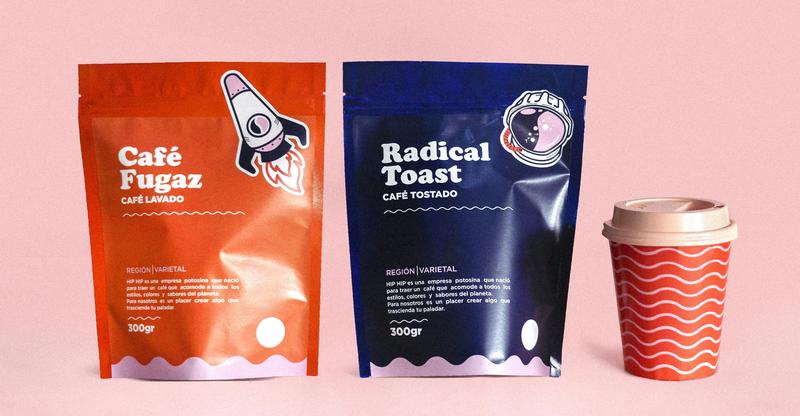
Kumpulan pengguna kopi titisan kebanyakannya adalah pekerja kolar putih muda, pelajar dan penggemar kopi. Pengguna ini memberi perhatian kepada kualiti, kemudahan dan pengalaman rasa kopi, dan kopi titisan hanya memenuhi keperluan ini. Apabila permintaan pengguna untuk kesihatan, kualiti dan gaya hidup meningkat, pasaran kopi titisan akan terus mengekalkan trend pertumbuhan.
Persaingan dalam pasaran kopi drip akan menjadi lebih sengit. Jenama perlu menarik pengguna dan meningkatkan daya saing mereka melalui inovasi produk dan pemasaran budaya.
Siapa Akan Membeli Kopi Drip
Kopi titisan ialah sejenis produk kopi baharu yang telah muncul dengan pantas di pasaran China sejak beberapa tahun kebelakangan ini. Potret penggunanya dipelbagaikan, tetapi ia tertumpu terutamanya dalam kumpulan seperti pekerja kolar putih muda, pelajar dan penggemar kopi. Pengguna ini biasanya mempunyai kuasa perbelanjaan yang tinggi dan mengejar kualiti, dan merupakan penggerak utama pasaran kopi drip.
Dari perspektif kumpulan pengguna, pekerja kolar putih muda dan pelajar adalah kumpulan pengguna utama kopi drip. Kumpulan orang ini mempunyai kadar kehidupan yang pantas dan menjalani gaya hidup yang selesa dan cekap. Kemudahan dan kemudahan membancuh kopi drip hanya memenuhi keperluan mereka. Pada masa yang sama, mereka mempunyai minat yang kuat dalam perkara yang segar dan bergaya. Sebagai produk kopi baru, drip coffee turut menarik perhatian mereka. Pencinta kopi adalah peminat setia kopi drip.

Mereka biasanya mempunyai keperluan yang tinggi untuk rasa dan aroma kopi, dan kopi titisan boleh memenuhi keperluan ini dengan lebih baik.
Dari segi pilihan pengguna, rasa lembut dan aroma kopi drip yang kaya adalah faktor utama untuk menarik minat pengguna. Apabila pengguna membeli kopi drip, mereka biasanya memberi perhatian kepada rasa dan aroma produk, serta kemudahan produk, penampilan pembungkusan dan reputasi jenama. Faktor-faktor ini bersama-sama membentuk kriteria penting bagi pengguna untuk memilih kopi drip. Memandangkan keperluan pengguna untuk kualiti kopi terus meningkat, kopi titisan juga menunjukkan harapan dan perhatian yang tinggi dari segi inovasi berterusan dan peningkatan kualiti.
Dari segi gelagat pengguna, pembelian dalam talian menjadi pilihan utama pengguna kopi drip. Dengan perkembangan pesat dan popularisasi platform e-dagang, semakin ramai pengguna mula memilih untuk membeli kopi drip secara dalam talian. Pada masa yang sama, kekerapan pembelian yang tinggi juga merupakan ciri penting bagi pengguna kopi titisan. Mereka biasanya membeli kopi drip dengan kerap dalam kehidupan seharian untuk memenuhi keperluan minuman harian mereka.
Tiga Jenama Kopi Teratas
Starbucks

As a world-renowned coffee brand, Starbucks’ influence in the Chinese drip coffee market cannot be underestimated. Starbucks drip coffee has won the love of many consumers with its high-quality coffee quality and unique taste. Starbucks is very strict in selecting coffee beans, only using coffee beans from the world’s high-quality coffee producing areas, and retaining the original aroma and flavor of the coffee beans through exquisite baking technology. The reka bentuk pembungkusan of Starbucks drip coffee is also very user-friendly, which is convenient for consumers to carry and brew.
Dari segi pemasaran, kopi drip Starbucks menggunakan sepenuhnya populariti dan reputasi jenama Starbucks, dan meningkatkan pendedahan jenama dan bahagian pasaran melalui promosi berbilang saluran dalam talian dan luar talian. Pada masa yang sama, Starbucks juga aktif berinteraksi dengan pengguna, memahami keperluan pengguna, dan terus melancarkan produk kopi titisan baharu untuk memenuhi pelbagai keperluan pengguna.
Kopi Luckin
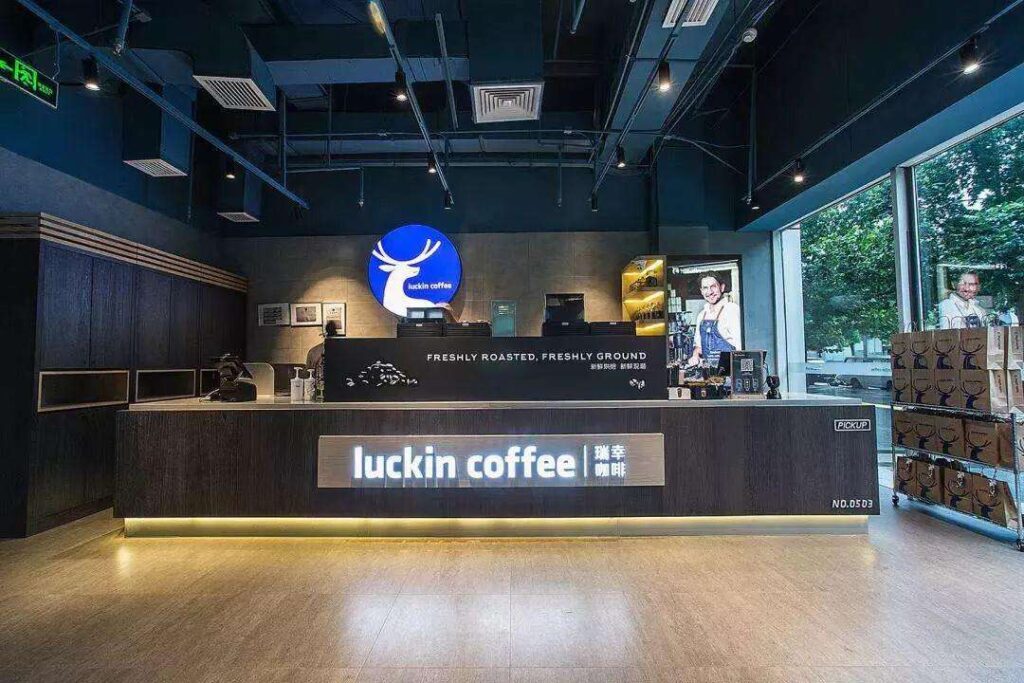
Luckin Coffee ialah jenama kopi yang telah muncul dengan pantas di pasaran China sejak beberapa tahun kebelakangan ini, dan produk kopi dripnya juga telah menarik perhatian ramai. Kopi titisan Luckin Coffee menumpukan pada inovasi produk dan peningkatan kualiti, dan terus melancarkan perisa dan gaya baharu untuk memenuhi keperluan pengguna yang berbeza. Dari segi pemilihan dan pemanggangan biji kopi, Kopi Luckin juga mempunyai teknologi dan pengalaman unik untuk memastikan rasa kopi titisan yang berkualiti tinggi.
Kopi Luckin juga menunjukkan prestasi yang baik dalam promosi pasaran. Melalui gabungan strategi pemasaran dalam talian dan luar talian, Luckin Coffee telah berjaya menarik perhatian sebilangan besar pengguna muda. Pada masa yang sama, Luckin Coffee juga sedang giat mengembangkan kedai luar talian untuk menyediakan pengguna saluran pembelian yang lebih mudah dan pengalaman pengguna yang lebih baik.
Nestlé

As one of the world’s largest food companies, Nestlé is also highly competitive in the drip coffee market.
Nestlé’s drip coffee products are rich in variety, covering different consumer groups and taste needs. In terms of coffee bean selection and roasting, Nestlé has strict standards and processes to ensure the quality and taste of drip coffee.
Kopi titisan Nestlé juga mempunyai pengalaman yang kaya dalam pemasaran. Melalui iklan TV, media sosial dan saluran lain untuk promosi jenama, Nestlé telah berjaya meningkatkan kesedaran pasaran dan bahagian pasaran kopi drip. Nestlé juga aktif berinteraksi dengan pengguna, memahami keperluan pengguna, dan terus mengoptimumkan produk dan perkhidmatan.
Cara Membungkus Kopi Titis dengan Lebih Baik
Pembungkusan memainkan peranan penting dalam mengekalkan kualiti, kesegaran dan kemudahan kopi titis. Untuk membungkus kopi drip dengan lebih berkesan, beberapa faktor harus dipertimbangkan untuk meningkatkan pengalaman pengguna secara keseluruhan dan memastikan kualiti produk kekal utuh.
- Gunakan Bahan Berkualiti Tinggi, Gred Makanan: Packaging materials should preserve the coffee’s freshness by protecting it from air, moisture, and light. Multi-layered, food-grade packaging films like aluminum foil or PET (Polyethylene Terephthalate) with a barrier to moisture and oxygen can help preserve the aroma and flavor for an extended period.
- Bahagian Hidangan Tunggal: Kopi titisan adalah mengenai kemudahan, jadi menawarkan sachet hidangan tunggal atau beg penapis adalah pilihan yang bijak. Setiap pek individu hendaklah mudah digunakan, membolehkan pelanggan hanya menggantung beg penapis di atas cawan mereka dan menuang air panas.
- Pertimbangan Kemampanan: Apabila pengguna menjadi lebih mementingkan alam sekitar, menggunakan bahan pembungkusan mesra alam, terbiodegradasi atau boleh dikitar semula bukan sahaja akan menarik pembeli yang sedar alam sekitar tetapi juga sejajar dengan trend yang semakin meningkat dalam kemampanan.
- Penjenamaan dan Arahan yang jelas: Pembungkusan hendaklah memaparkan jenama dengan jelas dan menyertakan arahan pembuatan bir yang jelas, terutamanya untuk pelanggan baharu. Reka bentuk yang menarik, bersama-sama dengan arahan yang ditulis dengan baik, akan meningkatkan pengalaman pengguna dan menggalakkan pembelian berulang.
Trend Pembangunan Masa Depan & Cadangan Hala Tuju Pelaburan
The future development of China’s industri kopi titisan will show a trend of diversification, intelligence and digitalization, and sustainable development. In terms of diversified development, drip coffee products will continue to be enriched, covering a variety of flavors, styles and functions to meet the increasingly diverse needs of consumers. For example, drip coffee products will launch more personalized options for consumers in different regions, ages and genders. This trend requires investors to pay close attention to market trends, adjust investment strategies in a timely manner, and focus on developing novel and unique drip coffee products.
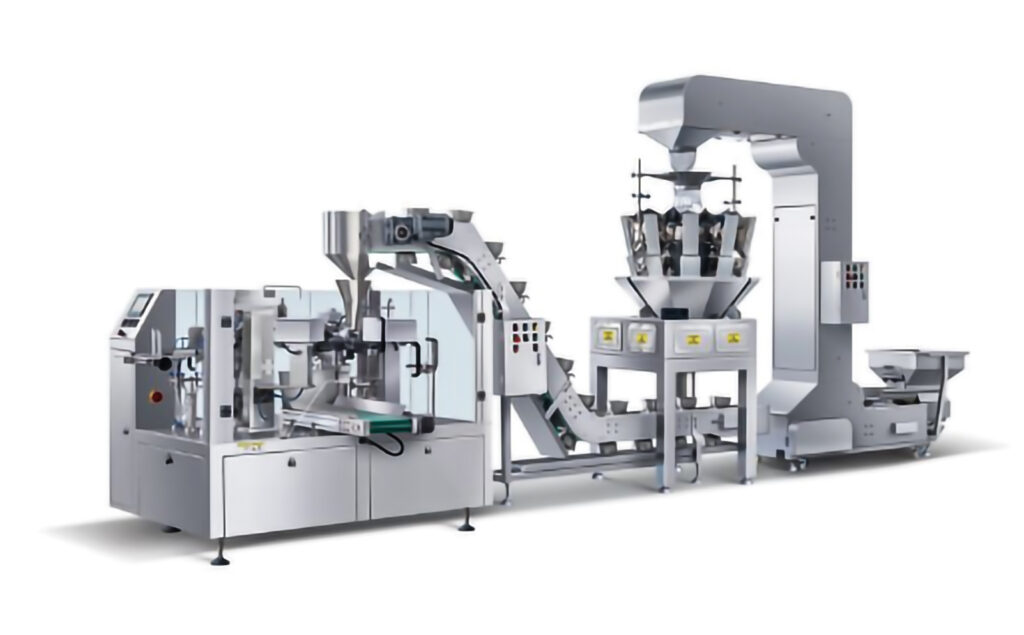
Aliran kecerdasan dan pendigitalan akan menggalakkan perubahan mendalam dalam model pengeluaran, jualan dan perkhidmatan industri kopi titisan. Peralatan pengeluaran pintar akan meningkatkan kecekapan pengeluaran dan mengurangkan kos, manakala kaedah pemasaran digital akan membantu syarikat menyasarkan pasaran sasaran dengan lebih tepat dan meningkatkan pengaruh jenama. Pelabur harus memberi perhatian kepada inovasi dan aplikasi teknologi pintar dan digital serta merebut peluang baharu untuk pembangunan industri.
Pembangunan mampan akan menjadi trend penting dalam industri kopi titisan. Dengan peningkatan kesedaran alam sekitar, pengguna semakin memberi perhatian kepada prestasi produk alam sekitar dan tanggungjawab sosial perusahaan. Oleh itu, pelabur harus memberi tumpuan kepada inovasi dan aplikasi teknologi dalam perlindungan alam sekitar, penjimatan tenaga dan aspek lain untuk menggalakkan pembangunan mampan industri sambil meningkatkan imej jenama dan daya saing mereka sendiri.






 English
  Malay
Malay