Memilih bahan pembungkusan yang optimum secara langsung memberi kesan kepada keuntungan, reputasi jenama dan jejak alam sekitar anda. Panduan komprehensif ini mendedahkan cara mengimbangi sifat bahan dengan sistem pembungkusan automatik – disokong oleh 12 tahun pengalaman praktikal mengoptimumkan barisan pembungkusan untuk 37+ industri. Temui cara pilihan bahan boleh mengurangkan sisa sebanyak 40% sambil meningkatkan kelajuan pengeluaran.

Apakah Pelbagai Jenis Bahan Pembungkusan?
Bahan pembungkusan dikategorikan berdasarkan komposisi dan kegunaannya. Jenis utama termasuk:
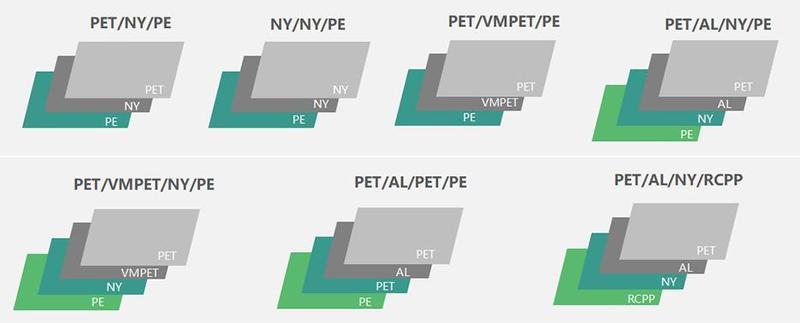
- Kertas dan Kadbod: Digunakan secara meluas untuk kebolehkitar semula dan kebolehbiodegradasiannya, sesuai untuk kotak, karton dan pembungkusan pelindung.
- plastik: Serbaguna dan kos efektif, plastik seperti polietilena (PE), polipropilena (PP), dan polietilena tereftalat (PET) adalah perkara biasa dalam botol, beg dan filem.
- kaca: Tidak reaktif dan tidak telap, kaca sesuai untuk minuman dan farmaseutikal tetapi lebih berat dan lebih rapuh.
- logam: Aluminium dan plat timah digunakan untuk tin dan bekas, menawarkan ketahanan dan kebolehkitar semula.
- Bahan Terbiodegradasi: Bahan seperti asid polylactic (PLA) dan polyhydroxyalkanoates (PHA) diperoleh daripada sumber boleh diperbaharui dan menawarkan kebolehkomposan.
Setiap bahan mempunyai kelebihan dan had yang berbeza, menjadikannya penting untuk menyelaraskan pemilihan bahan dengan keperluan produk dan objektif kemampanan.
Mengapa Mesin Pembungkusan Automatik Anda Menentukan Pilihan Bahan?
moden mesin pengedap isi borang menegak (VFFS). dan pembalut aliran menuntut ciri bahan khusus untuk mengekalkan masa aktif 99.9%:
Faktor Keserasian Kritikal
| Type of machine | Bahan Pilihan | Bahan Risiko |
|---|---|---|
| VFFS Dipacu Servo | Laminasi PET/PE, filem OPP | Kertas tebal (>120gsm) |
| Pembalut Aliran Pneumatik | Kertas bersalut, filem berlogam | Kertas kraf tidak bersalut |
| Pembentuk termo | APET/CPET, kepingan PVC | bioplastik PLA |
A packaging engineer’s rule of thumb: “The machine manual specifies your material playground.”
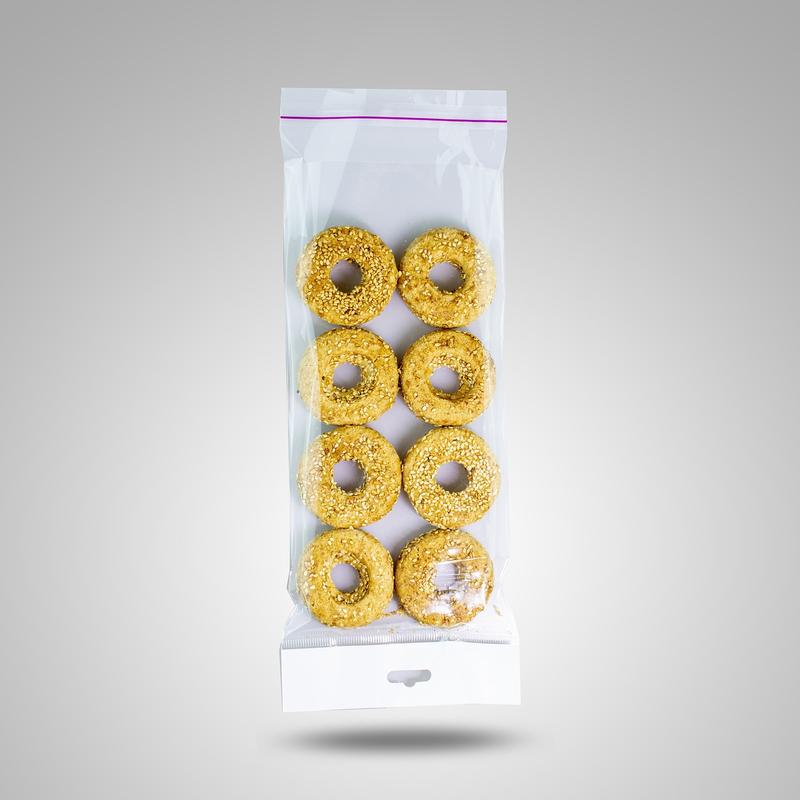
Contohnya: Syarikat snek yang menggunakan filem PLA boleh kompos mengalami kesesakan mesin 23% sehingga bertukar kepada campuran PET/PLA dengan kekuatan tegangan yang lebih baik. pelajaran? Kemampanan mesti sejajar dengan realiti teknikal.
Kertas vs Plastik VS Biokomposit: Mana Yang Benar-Benar Menang dalam Kemampanan?
Perbahasan kemampanan memerlukan analisis kitaran hayat dan bukannya andaian permukaan:
Perbandingan Jejak Karbon (setiap 1000 unit)
| bahan | Pengeluaran CO2 | Kitar Semula Tenaga | Penguraian |
|---|---|---|---|
| LDPE Dara | 8.2kg | 1.4kW | 450+ tahun |
| PET kitar semula | 3.1kg | 0.9kW | Penggunaan semula yang tidak terhingga |
| Kertas Kraft | 5.7kg | 2.3kW | 12 minggu |
| Pembungkusan Cendawan | 1.8kg | T/A | 3 minggu |
Sumber:Analisis Sisa Pembungkusan EPA 2023
Penyelesaian yang muncul:Bahan hibrid seperti lamina kertas/PLA menawarkan ketegaran mesra mesin dengan kebolehbiodegradasian 94%. Ketahanan koyak yang diuji: 23N vs 17N untuk kertas tulen.
Apakah 5 Sifat Bahan yang Mempengaruhi Prestasi Mesin Automatik?
- Kekuatan Tegangan
- Minimum 35MPa untuk mesin kedap isi borang berkelajuan tinggi
- Menjejaskan ketepatan penjejakan filem
- Pekali Geseran (CoF)
- Ideal 0.2-0.4 untuk penyusuan bahan yang licin
- Salutan silikon mengurangkan masalah lilitan kayu
- Ambang Pengedap Haba
- Mesti sepadan dengan suhu rahang (julat 120-200°C)
- Contoh: BOPP memerlukan pengedap 140-160°C
- Pemanjangan pada Waktu Rehat
- <5% diutamakan untuk pembentukan beg yang tepat
- Filem regangan memerlukan sistem kawalan ketegangan
- Penghalang Kelembapan
- 0.05 g/m²/hari untuk pembungkusan barangan kering
- Lapisan aluminium meningkatkan perlindungan tetapi menyukarkan kitar semula
Petua Pro: Sentiasa mintapensijilan bahan khusus mesin daripada pembekal. Pengeluar coklat terkemuka mengurangkan pecahan pembalut daripada 12% kepada 0.3% menggunakan filem bersalut anti-statik.
Revolusi Bahan Pintar: Pembungkusan Aktif Yang Memanjangkan Jangka Hayat
Bahan generasi seterusnya melakukan tugas berganda:
- Penghisap Oksigen: Filem berasaskan besi menyerap 99% O₂ dalam masa 24 jam
- Pengawal Etilena: Kertas yang diselitkan tanah liat memperlahankan pematangan buah
- Penunjuk Suhu Masa: Dakwat bertukar warna menunjukkan kesegaran
“Active packaging isn’t sci-fi – it’s cutting 10% of global food waste right now.” – Food Technology Magazine
Senarai Semak Pelaksanaan:
✅ Sahkan keserasian dengan pengesan logam
✅ Sahkan kestabilan haba untuk proses pengedap
✅ Ujian ambang migrasi (<10ppm)
Bagaimanakah Keutamaan Pengguna Mempengaruhi Pilihan Bahan Pembungkusan?
Keutamaan pengguna mempunyai kesan yang besar terhadap pemilihan bahan pembungkusan. Kajian oleh Two Sides North America mendapati bahawa 55% pengguna UK lebih suka pembungkusan kertas kerana sifat persekitarannya, seperti kebolehkitar semula dan kebolehkomposan.
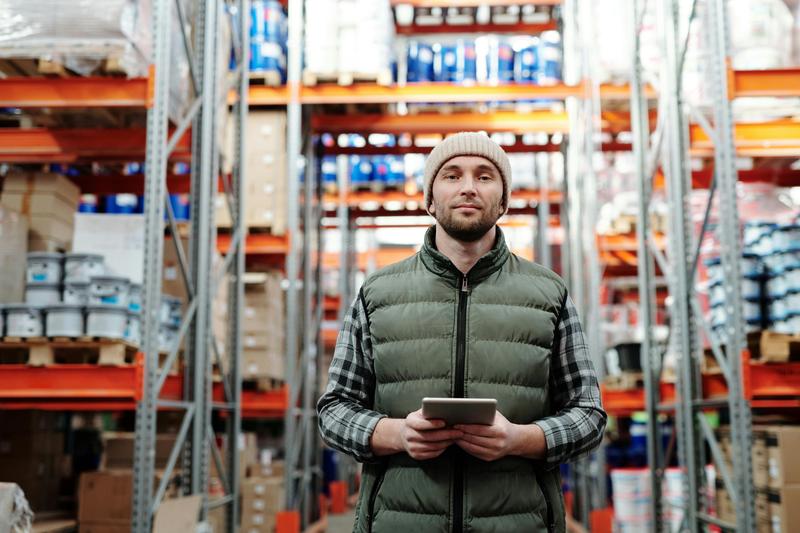
Keutamaan ini tidak terhad kepada UK; di peringkat global, terdapat permintaan yang semakin meningkat untuk pembungkusan yang mampan. Menurut laporan oleh NielsenIQ, peralihan ke arah amalan perniagaan yang lebih mesra alam dan perubahan pilihan pengguna mendorong permintaan untuk pembungkusan yang mampan.
Syarikat yang menyelaraskan pilihan pembungkusan mereka dengan keutamaan pengguna untuk kemampanan boleh meningkatkan reputasi jenama dan menarik kepada pengguna yang mementingkan alam sekitar.
Pemilihan Kalis Masa Hadapan: Bahan Muncul Membentuk Trend 2025
| bahan | Kelebihan Utama | Kesediaan Mesin |
|---|---|---|
| Salutan Grafena | 200% penghalang lembapan yang lebih kuat | Memerlukan panduan geseran rendah |
| Nanofibers Selulosa | Boleh dikompos di rumah, tahan minyak | Terhad kepada kelajuan <80m/min |
| Filem Penyembuhan Diri | Mikrokapsul membaiki koyakan 0.2mm | Serasi dengan pengedap ultrasonik |
| Bioplastik Boleh Diprogram | Mengurai atas arahan | Pembentukan termo standard |
Wawasan Industri: Pengguna awal melaporkan ROI 18 bulan mengenai pelaburan bahan pintar melalui pengurangan sisa.
Apakah Inovasi dalam Bahan Pembungkusan Mampan?
Industri pembungkusan menyaksikan beberapa penyelesaian inovatif yang bertujuan untuk mengurangkan kesan alam sekitar:
- Pembungkusan Berasaskan Rumpai Laut: Syarikat seperti Sway sedang membangunbioplastik berasaskan rumpai laut terbiodegradasi untuk polibeg fesyen, menawarkan alternatif yang mampan kepada plastik tradisional.
- Bahan Berasaskan Miselium: Miselium, struktur akar kulat, sedang digunakan untuk mencipta bahan pembungkusan mampan yang boleh terbiodegradasi dan kompos.
- Salutan Biodegradasi: Syarikat baharu seperti Earthodic sedang membangunkan salutan pelindung yang boleh dikitar semula sepenuhnya untuk pembungkusan kertas dan kadbod, menggantikan penyelesaian berasaskan petrokimia atau plastik yang tidak boleh dikitar semula.
Inovasi ini mencerminkan trend industri yang lebih luas ke arah kemampanan, menawarkan alternatif kepada bahan pembungkusan tradisional.
Cara Mengintegrasikan Pembungkusan Mampan ke dalam Strategi Perniagaan Anda
Mengintegrasikan pembungkusan mampan ke dalam strategi perniagaan anda melibatkan beberapa langkah utama:
- Menilai Kesan Alam Sekitar: Nilai jejak alam sekitar bahan pembungkusan semasa anda dan kenal pasti bidang untuk penambahbaikan.
- Terokai Alternatif: Selidik dan pertimbangkan bahan alternatif yang selaras dengan matlamat kemampanan, seperti pilihan biodegradasi atau kitar semula.
- Libatkan Pihak Berkepentingan: Bekerjasama dengan pembekal, pelanggan dan pakar industri untuk membangun dan melaksanakan penyelesaian pembungkusan yang mampan.
- Usaha Berkomunikasi: Sampaikan dengan jelas inisiatif kemampanan anda kepada pengguna untuk meningkatkan imej jenama dan memenuhi jangkaan pengguna.
jangan takut untuk bertanya soalan Pek LTC dan meminta rujukan. Hubungi kami Sekarang!
 English
  Malay
Malay