Pembungkusan makanan menyentuh hati kehidupan seharian kita. Ia melindungi makanan, memastikan ramuan segar dan memastikan setiap gigitan rasanya betul-betul sesuai. Ramai orang tertanya-tanya mengapa kita perlu memberi perhatian kepada pembungkusan makanan, kemampanan dan bahan kitar semula. Jawapan mudah ialah pilihan yang lebih baik dalam pembungkusan boleh membantu planet ini, melindungi kesihatan kita dan memastikan pembungkusan beg makanan selamat dan mudah dikendalikan. Perbincangan ini bernilai masa anda kerana menemui penyelesaian pembungkusan makanan yang mengimbangi kemudahan dengan kebaikan alam sekitar membantu setiap orang yang mengendalikan, menjual dan menggunakan makanan.
Di bawah ialah garis besar tersusun yang meneroka soalan dan butiran yang berkaitan tentang pembungkusan makanan, pembungkusan makanan, makanan kering dan pendekatan penyelesaian pembungkusan makanan praktikal. Setiap bahagian menggali bagaimana pembungkusan moden berfungsi, mengapa ia penting, dan langkah yang membawa masa depan yang lebih hijau dalam jangkauan.
What Makes Food Packaging Indispensable in Today’s World?
Pembungkusan makanan membentuk jambatan penting antara pengeluar dan pengguna. Ia melindungi rasa, tekstur dan rupa. Ia juga memastikan makanan selamat daripada pencemaran dan memeliharanya lebih lama. Daripada pengalaman peribadi membantu kedai roti tempatan menaik taraf pembungkusan mereka, jelas sekali bahawa penyelesaian yang betul membuat perbezaan dalam kedua-dua kawalan kualiti dan kepuasan keseluruhan. Kedai roti menggunakan bungkus plastik yang lebih tebal untuk roti pada mulanya, tetapi selepas bertukar kepada yang khususpembungkusan makanan reka bentuk, lebih sedikit barang yang rosak. Perubahan ini juga mengurangkan kos pesanan semula yang kerap.
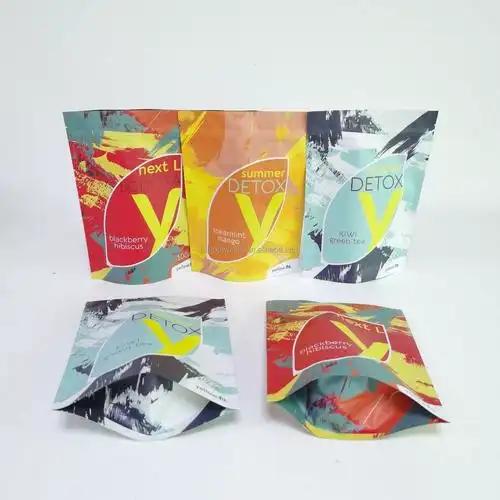
Pengguna sering belajar tentang jenama dengan melihat cara mereka membungkus produk mereka. Bersih, kemas dan bermaklumatpembungkusan makanan boleh memupuk kepercayaan. Orang jarang membeli barang yang kelihatan tidak tertutup rapat atau kelihatan mencurigakan. Sekali pandang pada bekas yang tertutup rapat dapat meyakinkan pembeli bahawa makanan di dalamnya dibuat dalam keadaan baik. Pembungkusan luar harus kekal tahan lama, mudah dibuka dan bebas daripada bahan kimia berbahaya. Apabila semuanya selaras, rasanya selamat untuk membawa bungkusan itu pulang, menyimpannya di dalam pantri atau peti sejuk, dan membukanya kemudian untuk hidangan segar.
Beralih daripada kaedah lama kepada gaya pembungkusan lanjutan juga membantu mengurangkan pembaziran. Kotak yang koyak, pengedap yang pecah atau pembungkus plastik yang terurai terlalu cepat membawa kepada lebih banyak makanan yang dibuang. Pendekatan termaklum memastikan setiappenyelesaian pembungkusan makanan memastikan kedua-dua produk dan persekitaran selamat. Pilihan tahan lama lagi mesra alam, seperti kertas kompos atau plastik kitar semula, sesuai dengan era kemampanan baharu kami.
Bagaimanakah Pembungkusan Makanan yang Betul Memanjangkan Jangka hayat?
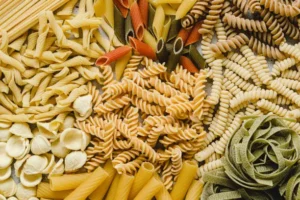
Pembungkusan makanan berfungsi dengan mencipta perisai antara item makanan dan persekitaran luaran. Perisai ini melindungi daripada kelembapan, oksigen dan bahan cemar seperti habuk dan mikrob. Di dapur saya sendiri, saya telah melihat bagaimana menukar daripada bungkus plastik biasa kepada beg bertutup vakum meningkatkan jangka hayatmakanan kering seperti pasta dan nasi. Beg yang dimeterai vakum menghalang udara daripada beredar dengan bebas, yang sering menjadi punca kerosakan.
Perbandingan Pantas Bahan Pembungkusan Makanan Biasa
Di bawah ialah jadual yang membandingkan beberapa bahan pembungkusan, memfokuskan pada spesifikasi utamanya:
| bahan | Kebolehkitar semula | Hartanah Penghalang | Berat badan | Kes Penggunaan Biasa |
|---|---|---|---|---|
| kaca | Sangat boleh dikitar semula | Sangat baik untuk oksigen/lembapan | berat | Sos, jem, barang jeruk |
| Tin Logam | Boleh dikitar semula | Penghalang kuat (udara/cahaya) | Simple | Sup, sayur-sayuran, barangan dalam tin |
| Plastik (PET) | Boleh dikitar semula secara meluas | Penghalang yang baik, bergantung pada ketebalan | Cahaya | Air botol, minuman ringan |
| Kertas/Papan Kertas | Berpotensi boleh dikitar semula/boleh kompos | Sederhana, memerlukan pelapik | Sangat ringan | Makanan kering, bijirin |
| Bioplastik | Berbeza-beza (boleh kompos dalam keadaan tertentu) | Layak, masih berkembang | Berbeza-beza | Pilih pembungkusan, kutleri |
Banyak jenama juga menggunakan lapisan kedua bahan pelindung untuk mengekalkan kesegaran. Amalan ini terbukti amat berguna untuk bijirin, granola, dan barangan lain yang mempunyai kelembapan rendah. Lapisan membantu menyekat pendedahan kepada kelembapan, mengekalkan kerenyahan yang diharapkan pengguna. Sebagai contoh, kotak bijirin yang dialas dengan kerajang atau filem plastik boleh memastikan produk tetap rangup selama berminggu-minggu, mengurangkan pembaziran dan menggalakkan pembelian berulang.
Reka bentuk pembungkusan seterusnya mengawal kehadiran bakteria berbahaya. Sesetengah salutan lanjutan menyepadukan agen antimikrob atau sisipan penyerap oksigen untuk mewujudkan persekitaran dalaman yang stabil. mengikutGoogle Scholar, kajian baharu mendedahkan bahawa teknologi filem khusus boleh memanjangkan jangka hayat barangan bakar dan makanan ringan selama beberapa hari atau minggu. Ini adalah berita baik untuk keluarga yang ingin memastikan makanan tengah hari dan makanan ringan segar di rumah yang sibuk.
Mengapa Pembungkusan Makanan Kering Satu Cabaran Unik?
Makanan kering item seperti tepung, gula atau campuran serbuk memerlukan kawalan kelembapan. Mereka mungkin kelihatan stabil, tetapi sebarang kelembapan boleh menggumpal atau menggalakkan pertumbuhan bakteria. Semasa lawatan sukarelawan ke kawasan tropika, saya perhatikan betapa cepatnya tepung menjadi tidak boleh digunakan tanpa pengedap yang betul. Kelembapan di udara menyebabkan tepung menjadi berketul dan berbau busuk. Membungkusnya dalam bahan tahan kelembapan membolehkan pembuat roti tempatan menyimpannya lebih lama dan menggunakannya dalam barangan bakar yang terasa segar.
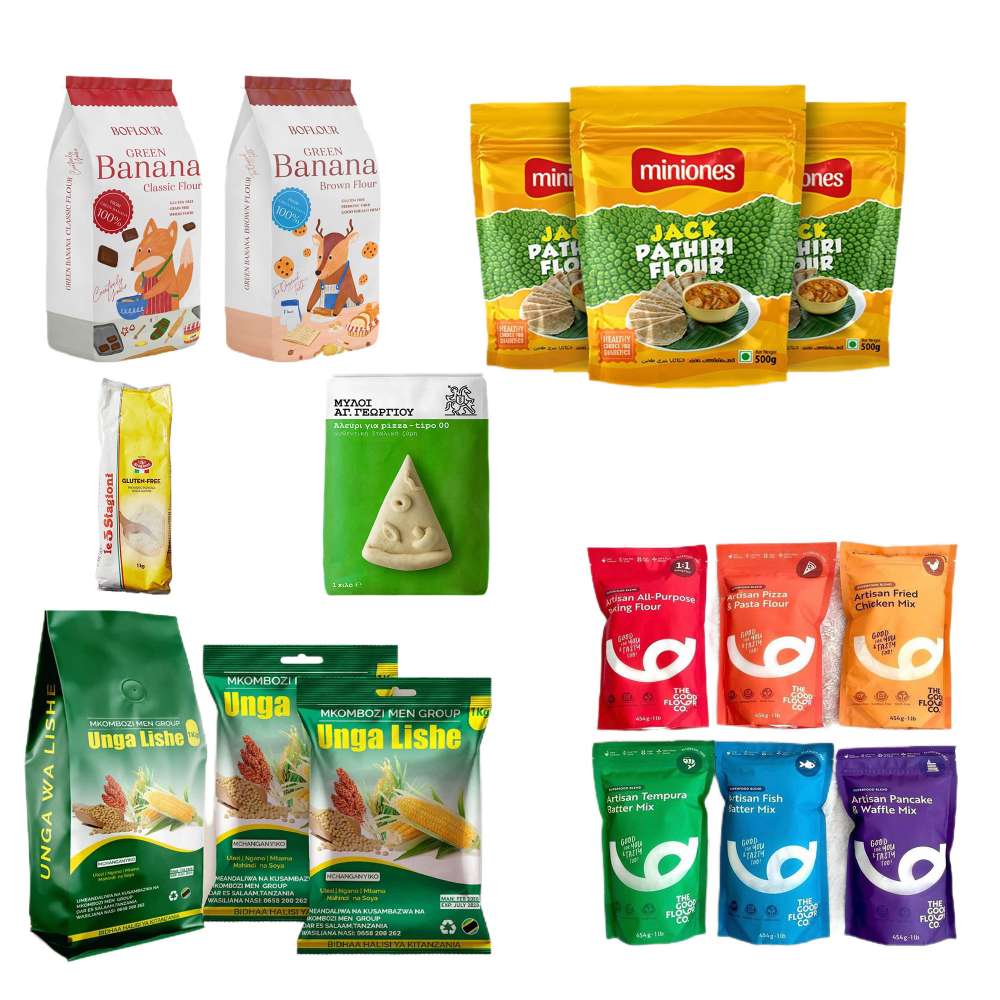
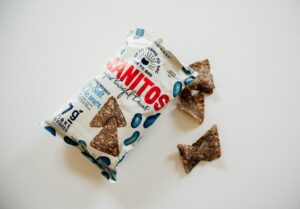
Pendedahan udara adalah ancaman senyap kepada makanan kering. Oksigen boleh mencetuskan ketengikan oksidatif, menjadikan barangan seperti kacang atau kerepek menjadi basi. Beg dengan penghalang oksigen terbina dalam membantu memastikan makanan ini sedap. Penutupan kunci zip dan pakej boleh ditutup semula membantu pengguna mengekalkan kualiti makanan dengan mudah. Mengambil pendekatan yang mudah bermakna mencari penyelesaian pembungkusan yang menggabungkan struktur, ketebalan dan ciri yang mudah dibuka.
Penyelesaian pembungkusan makanan syarikat bekerja pada kawalan kekeringan dengan menggabungkan lapisan filem plastik, kadang-kadang dengan kerajang aluminium atau kertas. Setiap lapisan melaksanakan peranan tertentu: satu lapisan mungkin menolak air, satu lapisan lagi boleh menyekat oksigen, dan satu lagi menawarkan kekuatan struktur. Teknik berbilang lapisan ini menyokong kualiti yang konsisten, walaupun kebimbangan alam sekitar mendorong untuk pilihan bahan tunggal atau kitar semula yang masih memenuhi keperluan kekeringan.
Di manakah Pembungkusan Beg Makanan dan Kemampanan Bersilang?
A pembungkusan beg makanan reka bentuk yang mengutamakan planet bergantung pada bahan mesra alam dan kaedah pembuatan. Mengurangkan plastik, menggunakan filem terbiodegradasi dan memilih penyelesaian kompos atau kitar semula mencerminkan matlamat kemampanan teratas. Apabila saya membantu kedai kopi tempatan menukar kepada beg kompos, mereka mendapati peningkatan dalam maklum balas pelanggan yang positif. Orang ramai mengalu-alukan idea jejak alam sekitar yang lebih kecil.
Mencipta akelestarian-beg fokus bukan sahaja bermakna menggantikan plastik dengan kertas. Ia selalunya memerlukan semakan keseluruhan rantaian bekalan. Dari mana datangnya bahan mentah? Bagaimanakah tenaga digunakan dalam pengeluaran? Setiap langkah boleh menolak pembungkusan lebih dekat kepada model sifar sisa. Namun kos tetap menjadi faktor, jadi mengimbangi pilihan mesra alam dengan kemampuan yang masih menjadi cabaran bagi kebanyakan syarikat permulaan.
Di luar pengeluaran, pelupusan bahan pembungkusan juga penting. Pengguna perlu mengetahui sama ada sesuatu barang boleh kompos, boleh dikitar semula atau terbiodegradasi. Label dan arahan yang jelas membantu mereka mengasingkan bahan dengan betul. Mengikut data industri yang disusun dalamScopus , pelabelan yang jelas mendorong kadar kitar semula yang lebih tinggi. Ini menunjukkan bagaimana perubahan yang lebih kecil, seperti ikon kitar semula hijau atau arahan pelupusan pendek, boleh memberi kesan yang bermakna.
Bolehkah Kami Mencapai Penyelesaian Kitar Semula untuk Semua Pembungkusan Makanan?
Matlamat yang tinggi adalah untuk menciptaboleh dikitar semula versi setiap jenis pembungkusan. Walaupun plastik kekal sebagai bahan ruji, tidak semua plastik dikitar semula dengan baik. Filem berbilang lapisan mungkin menawarkan perlindungan makanan yang unggul, tetapi gabungan bahan boleh menghalang kitar semula yang cekap. Namun ada harapan dalam teknologi baharu. Inovasi terkini termasuk kantung mono-bahan yang memberikan perlindungan penghalang yang sama menggunakan hanya satu jenis plastik. Pendekatan ini membolehkan kitar semula lebih mudah.
Sesetengah pakar juga menyelidik polimer berasaskan tumbuhan—sering dipanggil bioplastik—untuk melihat sama ada ini boleh bertahan dalam keadaan dunia sebenar. Bioplastik mungkin merosot dengan lebih cepat dalam persekitaran tertentu. Walau bagaimanapun, jika mereka berakhir di sampah biasa atau tapak pelupusan biasa, proses pecahan mungkin menjadi perlahan. Walaupun halangan ini, banyak makmal pembungkusan mendesak untuk penambahbaikan yang menjadikan bioplastik sebagai alternatif yang benar-benar berdaya maju untuk kegunaan harian.
Penggunaan kaedah mesra kitar semula yang lebih meluas memerlukan usaha kolektif daripada pengilang, pengguna dan kemudahan kitar semula. Apabila orang ramai mengetahui tong untuk membuang pembungkusan tertentu, dan apabila kemudahan boleh mengendalikan bahan tersebut dengan berkesan, lebih banyak item mengelakkan tapak pelupusan. Sinergi ini mengekalkan sisa tidak terbiodegradasi daripada bertimbun, melindungi hidupan liar dan ekosistem.
Apakah Penyelesaian Pembungkusan Makanan Paling Berkesan untuk Pengguna?
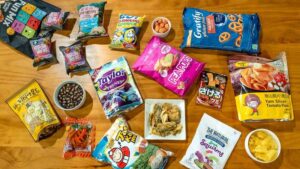
beberapapenyelesaian pembungkusan makanan pilihan menonjol sebagai kegemaran pengguna. Kantung berasaskan kertas kekal sebagai pilihan utama untuk makanan ringan dan bijirin, terutamanya jika ia termasuk pelapik nipis untuk kekeringan. Balang kaca menawarkan ketahanan untuk sos, jem dan barang jeruk. Walaupun lebih berat, kaca selalunya boleh diguna semula dan sangat boleh dikitar semula. Selain itu, tin logam kekal popular untuk sup, sayur-sayuran, dan barangan lain yang stabil.
Kantung tegak yang boleh ditutup semula menjadi popular untuk kemudahannya. Mereka menyimpan dengan mudah di dalam almari, menyimpan makanan ringan segar, dan boleh mengendalikan pelbagai jenispembungkusan makanan, daripada kekacang kepada makanan anjing. Semasa percubaan saya sendiri dengan reka bentuk pembungkusan yang berbeza, saya mendapati bahawa kanak-kanak menyukai kantung yang mudah dibuka. Ibu bapa menghargai mereka kerana mereka mengurangkan tumpahan dan mengekalkan kesegaran. Akibatnya, kantung ini menandakan berbilang kotak: kemesraan pengguna, perlindungan produk dan keterlihatan jenama yang lebih baik.
Pembungkusan minimalis ialah satu lagi trend yang semakin berkembang, memfokuskan pada reka bentuk ringkas, bahan yang lebih sedikit dan dakwat atau pelekat mesra alam. Label hadapan biasanya mengandungi nama jenama, perisa atau variasi, manakala bahagian belakang mengandungi butiran pemakanan yang penting. Penampilan bebas kekacauan ini menarik minat mereka yang menghargai reka bentuk moden dan mengambil berat tentang alam sekitar. Di seluruh industri, ia dilihat sebagai cara yang berkesan untuk mengurangkan sisa dan menampilkan estetika yang digilap.
Kaedah Pembungkusan Makanan manakah yang paling sesuai dengan produk yang berbeza?
Pembungkusan makanan approaches vary based on the product’s traits—moisture, sensitivity, fragility, and shelf life. For crispy snacks like chips, pembilasan nitrogen inside the bag helps preserve texture. Fresh produce might rely on breathable plastic films that let gases exchange, prolonging freshness. In a personal trial packaging strawberries, it was clear that standard sealed bags caused quick spoilage, while perforated film bags allowed for better air circulation.
Bijirin kering dan bijirin selalunya berfungsi dengan baik dalam kantung berlapis dan kukuh yang menghalang kelembapan dan perosak. Sementara itu, cecair dan sos memerlukan bekas tegar untuk mengelakkan kebocoran. Balang kaca, tin atau botol plastik kekal biasa dalam senario ini. Balang, khususnya, memberikan rasa premium dan membolehkan pengguna melihat kandungan di dalamnya.
Pembekuan memerlukan pembalut dan bekas khusus yang menahan suhu melampau tanpa retak atau membiarkan terlalu banyak oksigen. Daging dan sayur-sayuran yang dibalut beku dengan betul boleh berasa segar selama berbulan-bulan. Dengan pertumbuhan penghantaran barangan runcit dalam talian, lebih banyak perhatian diberikan pada penyelesaian pembungkusan sejuk yang mengekalkan item sejuk. Pelapik bertebat, pek ais atau kotak buih digunakan di sini, memastikan produk tiba dengan selamat di depan pintu pembeli.
Bagaimanakah Inovasi dan Keselamatan Makanan berjalan seiring?
Kaedah canggih seperti pembungkusan suasana yang diubah suai (MAP) dan pemprosesan tekanan tinggi (HPP) merevolusikan cara kami menyimpan barang makanan. MAP menggantikan udara dalam bungkusan dengan campuran gas yang melambatkan kerosakan. HPP menggunakan tekanan untuk membunuh patogen tanpa pemanasan yang berlebihan, mengekalkan rasa segar. Kedua-dua kaedah mencerminkan peralihan berterusan ke arah yang lebih bijakpembungkusan makanan penyelesaian.
Keselamatan tetap diutamakan. sama ada iamakanan kering, menghasilkan, atau makanan sedia untuk dimakan, kerosakan mesti kekal diminimumkan. Pembungkusan pintar boleh termasuk penderia yang berubah warna apabila sesuatu berbunyi. Seorang kenalan yang mengendalikan deli kecil memberitahu saya bahawa mereka bergantung pada jalur yang menukar warna ini untuk memastikan isi sandwic kekal segar. Inovasi praktikal ini memupuk kepercayaan di kalangan pelanggan yang berhati-hati terhadap barangan kemudahan yang dibeli di kedai.
Peraturan menyokong usaha keselamatan ini. Agensi di seluruh dunia menetapkan bahan hubungan yang dibenarkan, keperluan pelabelan dan amalan pembuatan. mengikutWeb Sains , penyelidikan semakan rakan sebaya yang meluas mendokumenkan korelasi antara pembungkusan yang lebih selamat dan isu kesihatan pengguna yang lebih sedikit. Data menyeluruh ini menggalakkan pengilang untuk menggunakan standard yang tinggi dan membantu pembeli berasa yakin dengan pilihan barangan runcit harian mereka.
Bilakah Perniagaan Harus Melabur dalam Pembungkusan Makanan Khusus?
Perniagaan kecil dan besar sama-sama mesti memutuskan masa untuk meningkatkan pendekatan pembungkusan mereka. Faktor seperti permintaan pengguna yang meningkat, pengembangan produk atau isu kawalan kualiti boleh menandakan sudah tiba masanya. Untuk jualan jenama permulaanpembungkusan beg makanan untuk rangkaian buah-buahan kering buatan, menggunakan penyelesaian khusus boleh membezakan produk di rak. Bentuk atau reka bentuk beg yang unik mungkin menarik perhatian, manakala ciri yang boleh ditutup semula boleh memastikan buah segar dan menggalakkan jualan berulang.
Pelaburan dalam mesin atau bahan pembungkusan selalunya membuahkan hasil melalui kerosakan yang berkurangan, kehadiran jenama yang lebih kukuh dan pelanggan setia. Kadangkala, barisan pembungkusan baharu kelihatan mahal pada pandangan pertama, tetapi lebih sedikit pulangan produk dan ulasan yang lebih positif boleh mengimbangi kos tersebut. Pengalaman saya sendiri berunding untuk syarikat snek menunjukkan bahawa pembungkusan yang lebih baik menyebabkan lebih sedikit panggilan telefon mengenai kerepek basi dan maklum balas yang lebih bersemangat daripada pengurus kedai.
Masa juga bergantung pada pengembangan ke pasaran baharu. Jika perniagaan bercadang untuk mengeksport barangan, pembungkusan mesti memenuhi peraturan antarabangsa. Ia mungkin memerlukan label berbilang bahasa, pengedap kalis gangguan atau pengubahsuaian untuk menahan masa penghantaran yang lama. Dengan menjangka keperluan sedemikian, syarikat boleh mengelakkan tergesa-gesa pada saat-saat akhir dan potensi kerugian.
Adakah Terdapat Penyelesaian Pembungkusan Makanan Sejagat untuk Masa Depan?
"Inovasi dalam pembungkusan makanan bergantung pada minat pengguna dan korporat dalam kehidupan yang lebih hijau. Setiap ciptaan baharu menggabungkan sains, kreativiti dan komitmen untuk melindungi kedua-dua manusia dan planet ini." petikan yang dicerminkan dalam kajian yang ditemui padaUlama Semantik
Walaupun tiada kaedah tunggal memenuhi setiap keperluan, dorongan untuk universalpenyelesaian pembungkusan makanan berkisar pada kesederhanaan, kebolehkitar semula dan keberkesanan kos. Gambar masa depan di mana masing-masingpembungkusan makanan bahan boleh sama ada dikitar semula sepenuhnya atau dikompos, sementara masih menjamin jangka hayat dan perlindungan yang teguh. Ramai inovator bekerja pada sains bahan yang menggabungkan sifat fungsian dengan tanggungjawab alam sekitar.
Norma masyarakat boleh mempengaruhi kadar penerimaan penemuan ini. Kesedaran awam tentang isu iklim menggalakkan penerimaan meluas terhadap pembungkusan yang lebih hijau. Ramai orang menghargai melihat pensijilan rasmi mengenai biodegradasi atau sepenuhnyaboleh dikitar semula pakej, kerana ia menunjukkan komitmen jenama untuk melakukan yang lebih baik. Ini boleh mendorong kesetiaan jenama dan pengiklanan dari mulut ke mulut yang positif.
Penyelesaian universal juga mungkin memerlukan kerjasama merentas rantaian bekalan. Petani, pengilang, pengedar dan kitar semula boleh berkongsi data tentang perkara yang paling berkesan. Apabila reka bentuk pembungkusan tunggal sesuai dengan pelbagai keadaan penyimpanan dan pengangkutan, ia mengurangkan penggunaan sumber keseluruhan. Sinergi ini mungkin mencetuskan era baharu perdagangan sisa minimum, menyatukan kemudahan dengan keperluan untuk melindungi planet kita.

 English
  Malay
Malay