Introduction
Mesin mengisi beg adalah penting dalam operasi pembungkusan kontemporari, membolehkan pembungkusan yang cekap dan tepat bagi pelbagai produk merentasi pelbagai industri. Mesin ini memastikan konsistensi dalam mengisi beg dengan saiz dan bahan yang berbeza. Pemahaman menyeluruh tentang jenis, ciri dan aplikasinya adalah penting untuk mengoptimumkan proses pembungkusan.
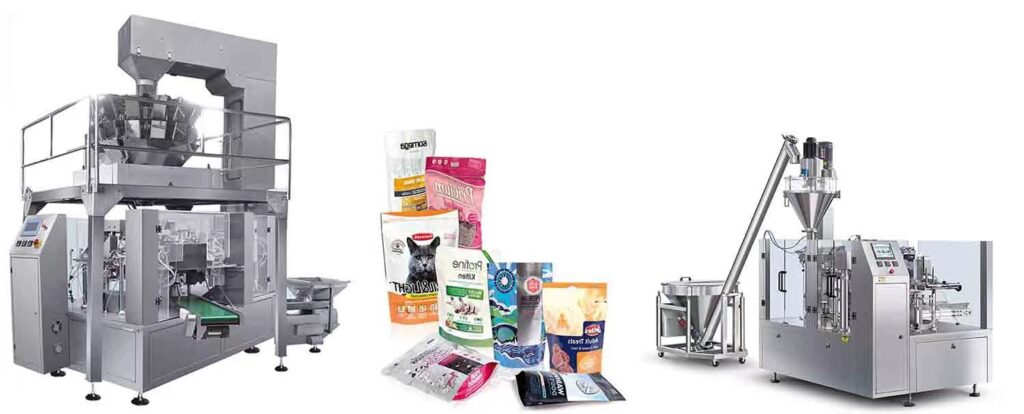
Aplikasi Merentas Industri
Mesin mengisi beg digunakan secara meluas merentasi pelbagai sektor:
Makanan dan Minuman:Untuk pembungkusan gula, tepung, beras, dan bahan kering lain.
Farmaseutikal dan Kimia: Untuk mengisi beg tablet, kapsul dan serbuk.
Industri lain: Termasuk makanan haiwan, produk pertanian dan bahan perindustrian.
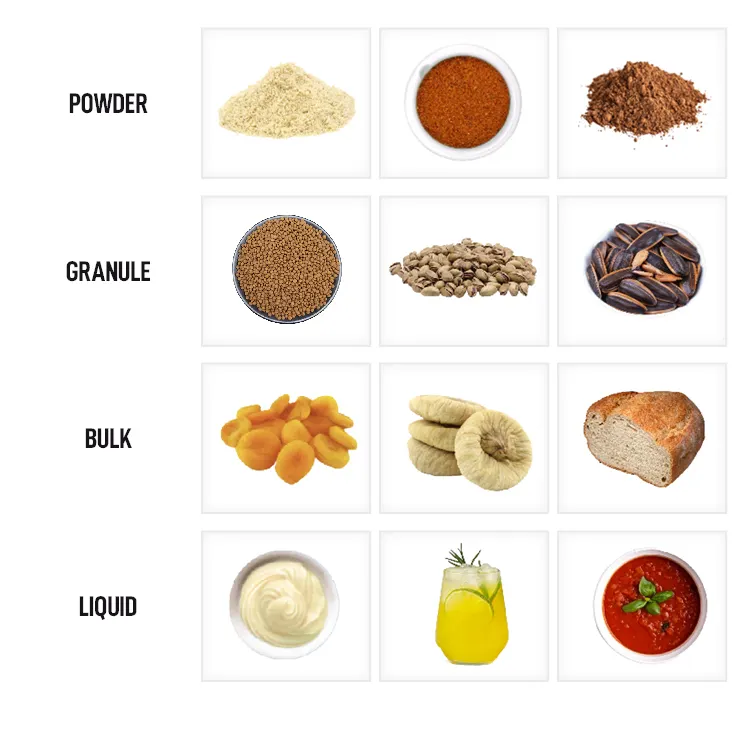
Jenis Mesin Pengisian Beg
Mesin mengisi beg terutamanya dikelaskan kepada dua jenis: volumetrik dan gravimetrik.
Mesin Volumetrik
Mesin ini menggunakan cawan penyukat atau corong untuk mengeluarkan satu set isipadu bahan ke dalam setiap beg. Ia sesuai untuk bahan mengalir bebas seperti serbuk dan produk berbutir.
Mesin Gravimetrik
Mesin ini menggunakan penderia untuk mengukur berat bahan yang diisi ke dalam setiap beg. Ia sesuai untuk bahan dengan ketumpatan yang berbeza-beza, memerlukan kawalan berat yang tepat.
Ciri-ciri Moden Mesin Pengisian Beg
Mesin pengisian beg canggih dilengkapi dengan pelbagai keupayaan dan teknologi:
- Pengendalian Beg Automatik: Sistem untuk menyampaikan, mengumpul dan mengindeks beg untuk operasi yang lancar dan cekap.
- Sistem Pemakanan Produk: Memastikan pengisian bahan yang konsisten dan seragam.
- Kawalan Ketepatan Pengisian: Penderia dan mekanisme maklum balas meningkatkan ketepatan.
- Pengedap dan Penutupan Beg: Sistem automatik memastikan pembungkusan selamat dan kalis gangguan.
Memilih Mesin yang Tepat
Apabila melabur dalam mesin mengisi beg, adalah penting untuk mempertimbangkan beberapa faktor untuk memastikan mesin itu memenuhi keperluan khusus anda dan menghasilkan hasil yang konsisten. Berikut adalah beberapa aspek penting yang perlu diambil kira semasa memilih mesin mengisi beg:
Production Capacity
Faktor pertama yang perlu dipertimbangkan ialah kapasiti pengeluaran mesin pengisian beg. Ini akan menentukan bilangan beg yang boleh diisi seminit atau jam, bergantung pada keperluan pengeluaran anda. Pertimbangkan saiz dan berat produk yang anda bercadang untuk mengisi, serta output yang diingini. Jika anda menjangkakan pengeluaran volum tinggi, anda mungkin memerlukan mesin yang lebih berkuasa dengan kapasiti yang lebih tinggi.
Keserasian Bahan Beg
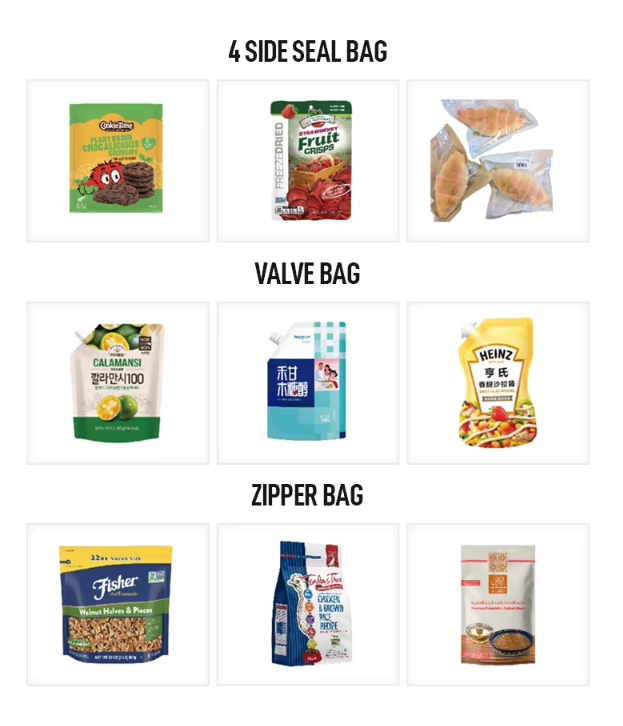
Pastikan mesin mengisi beg boleh mengendalikan jenis bahan beg tertentu yang anda perlukan. Sesetengah mesin direka bentuk untuk beg polietilena, manakala yang lain mungkin sesuai untuk beg kertas atau tenunan. Adalah penting untuk mengesahkan bahawa mesin boleh memuatkan bahan beg pilihan anda tanpa sebarang masalah.
Jenis Produk
Jenis produk yang anda ingin isi juga akan mempengaruhi pilihan mesin pengisian beg anda. Sesetengah mesin lebih sesuai untuk serbuk kering atau butiran, manakala yang lain direka untuk cecair atau bahan likat. Pertimbangkan sifat aliran dan konsistensi produk anda dan pilih mesin yang boleh mengendalikannya dengan berkesan.
Ciri Keselamatan
Keselamatan harus menjadi keutamaan apabila memilih mesin mengisi beg. Cari mesin dengan ciri seperti interlock, pengawal dan butang berhenti kecemasan untuk melindungi pengendali daripada kecederaan. Selain itu, pertimbangkan pematuhan mesin dengan piawaian dan peraturan keselamatan yang berkaitan.
Kemudahan Operasi dan Penyelenggaraan
Antara muka yang mesra pengguna dan kawalan intuitif boleh membuat perbezaan yang ketara dalam kecekapan dan produktiviti operasi anda. Pilih mesin mengisi beg yang mudah dikendalikan dan diselenggara, dengan keperluan latihan minimum untuk kakitangan anda. Juga, pertimbangkan ketersediaan alat ganti dan kemudahan akses kepada sokongan perkhidmatan.
Kekangan Belanjawan
Akhir sekali, pertimbangkan belanjawan anda apabila memilih mesin mengisi beg. Walaupun penting untuk melabur dalam mesin berkualiti tinggi, ia juga penting untuk mencari penyelesaian yang sesuai dengan kekangan kewangan anda. Bandingkan harga dan pertimbangkan kos jangka panjang pemilikan, termasuk perbelanjaan penggunaan tenaga dan penyelenggaraan.
Conclusion
Mesin mengisi beg adalah amat diperlukan untuk perniagaan yang bertujuan untuk menyelaraskan proses pembungkusan mereka. Memahami pelbagai jenis, ciri dan aplikasi mesin ini membolehkan perniagaan mempertingkatkan operasi pembungkusan mereka, memperbaik persembahan produk dan kecekapan pengedaran.
Kini setelah anda memahami pelbagai jenis mesin pembungkus gula-gula, adalah penting untuk memilih mesin yang sesuai untuk perniagaan anda.
Jadi, apakah jenis mesin pembungkus gula-gula yang terbaik untuk perniagaan anda? Jawapan itu bergantung pada produk yang anda cari untuk pakej dan tahap automasi yang anda perlukan.
Jika anda tidak pasti mesin mana yang sesuai untuk syarikat anda, hubungi pakar kami sekarang.
Di LTC Pack, kami boleh membantu anda mencari mesin yang sesuai untuk keperluan anda. Kami mempunyai pelbagai pilihan mesin dan kakitangan berpengetahuan yang boleh menjawab sebarang soalan yang anda ada tentang memilih mesin pembungkusan yang sesuai untuk perniagaan anda.


 English
  Malay
Malay