Kopi Cuba berdiri di antara kopi terbaik dunia, berkongsi status elit dengan Jamaican Blue Mountain dan Kopi Luwak. Panduan komprehensif ini menyelidiki dunia rumit kopi Cuba dan penyelesaian pembungkusan khusus yang diperlukan untuk mengekalkan kualiti yang luar biasa. Pengenalan kepada penanaman Kopi Cuba di Cuba bermula pada…

Panduan komprehensif ini menyelidiki dunia rumit kopi Cuba dan penyelesaian pembungkusan khusus yang diperlukan untuk mengekalkan kualiti yang luar biasa.
Pengenalan kepada Kopi Cuba
Penanaman kopi di Cuba bermula pada tahun 1748. Ia berasal dari Republik Dominican, dengan cepat menjadikan pulau itu sebagai salah satu kawasan penanaman kopi utama dunia.
Cuba’s natural environment — fertile soil, humid climate, abundant rainfall — creates perfect conditions for growing exceptional coffee beans.
Warisan Kopi Cuba
By thе 1920s, coffee production became Cuba’s main economic driver. It remains а major export tо this day.
Varieti utama yang ditanam ialah Typica, Arabica premium klasik. Ia terkenal dengan rasa yang sangat baik tetapi memerlukan tenaga kerja yang intensif — kitaran pertumbuhan yang panjang, mudah terdedah kepada penyakit.
Crystal Mountain Coffee: Cuba’s Crown Jewel
Terletak di banjaran gunung Escambray, Crystal Mountain mencapai ketinggian lebih 800 meter. Ia mendapat namanya daripada hablur mika anв kuarza yang banyak di dalam tanah.
This region produces Cuba’s finest coffee. It’s often called “Cuba’s Blue Mountain” — geographical proximity, flavor similarity tо Jamaica’s Blue Mountain coffee.
Kaedah Pemprosesan dan Profil Perisa
Pemprosesan kopi Cuba biasanya menggunakan dua kaedah utama:
- Sun – Drying Method — pendekatan yang paling mudah dan paling tradisional. Ia menggunakan matahari semulajadi – pengeringan tanpa penapaian, lebih kurang empat minggu.
- Kaedah Mencuci — teknik ini membolehkan lebih banyak aroma buah menyatu ke dalam kacang. Ia menghasilkan rasa yang lebih bersih, keasidan yang lebih kuat, lebih sedikit kekotoran.
Kopi yang terhasil — terutamanya Cubita dari Crystal Mountain — mempunyai rasa yang bersih dan halus. Terdapat keasidan yang berterusan tetapi lembut, aroma buah, kelancaran seimbang sempurna dengan wain – seperti kemanisan dan nota asap halus.
Bahan Beg Kopi untuk Kopi Cuba
Sifat Utama Bahan Beg Kopi Berkualiti
Preserving Cuban coffee’s exceptional qualities needs packaging with specific essential properties:
- Hartanah Penghalang — pertahanan yang kuat terhadap oksigen, kelembapan, cahaya untuk mengekalkan kesegaran.
- Ketahanan — keupayaan untuk menahan pengendalian, penghantaran, penyimpanan.
- Kebolehmeteraian — pengedap selamat untuk mengelakkan penyusupan udara.
- Kebolehcetakan — support for high – quality branding, product information.
Bahan Biasa untuk Pembungkusan Kopi Cuba
Kerajang Aluminium
Kerajang aluminium mempunyai hampir sifar Kadar Penghantaran Wap Air dan Kadar Penghantaran Oksigen. Ia memberikan perlindungan yang sangat baik terhadap faktor persekitaran yang merendahkan kualiti kopi. Rintangannya yang tinggi terhadap tusukan, koyakan menjadikannya sesuai untuk pembungkusan kopi Cuba premium. Ia biasanya digunakan dalam lamina berbilang lapisan.
Kertas Kraft
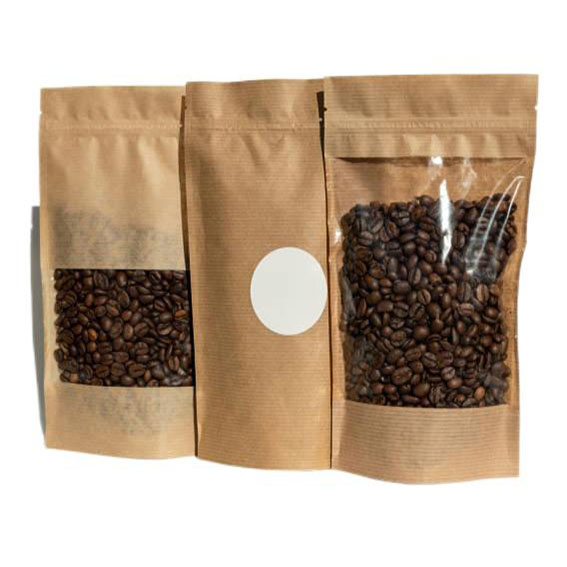
Bahan terbiodegradasi secara semula jadi ini menawarkan rintangan koyakan yang tinggi, kebolehcetakan yang sangat baik. Ia sesuai untuk jenama kopi Cuba organik yang artisanal. Kertas kraft biasanya bertindak sebagai lapisan luar. Ia dipenuhi dengan bahan seperti PLA atau aluminium untuk meningkatkan sifat penghalang.
Low – Density Polyethylene (LDPE)
LDPE berfungsi dengan baik sebagai lapisan dalam. Ia menyediakan penghalang kelembapan, sifat pengedap haba. Fleksibilitinya sesuai dengan pelbagai reka bentuk pembungkusan. Ia memastikan ciri pengedap yang baik untuk beg kopi Cuba.
Polietilena Tereftalat (PET)
PET memberikan sifat penghalang yang sangat baik terhadap gas, lembapan. Ia mempunyai rintangan hentaman yang tinggi. Kebolehkitar semulanya menjadikannya sesuai untuk jenama kopi Cuba yang mementingkan alam sekitar — mereka yang mencari pilihan yang lebih mampan.
Asid Polilaktik (PLA)
Termoplastik terbiodegradasi ini berasal daripada sumber yang boleh diperbaharui. Ia memberikan sifat penghalang kelembapan yang baik. Ia boleh dikompos di kemudahan perindustrian. Ini menjadikannya sesuai untuk pembungkusan kopi Cuba yang mampan.
Multi – Layered Coffee Bag Structure
Premium Cuban pembungkusan kopi typically uses multi – layered structures. They combine different materials tо optimize protection, sustainability:
- Lapisan Luar — Kertas kraft untuk penampilan semula jadi, kebolehcetakan.
- Lapisan Tengah — Kerajang aluminium untuk sifat penghalang yang unggul.
- Lapisan Dalam — Food – grade plastic for moisture resistance, heat sealing.
This combination preserves Cuban coffee’s freshness. It offers appealing visual presentation too.
Penyelesaian Pembungkusan Lintyco untuk Kopi Cuba
Kecemerlangan Pembungkusan Kopi Lintyco
Lintyco Pack mempunyai lebih 15 tahun kecemerlangan pembuatan. Ia menawarkan perkhidmatan mesin pembungkusan profesional yang dibuat untuk industri kopi. Sebagai pengeluar terkemuka dengan lebih daripada 40,000 mesin dipasang di 190+ negara, Lintyco menawarkan penyelesaian pembungkusan yang komprehensif. Mereka mengekalkan integriti, kualiti kopi Cuba premium.
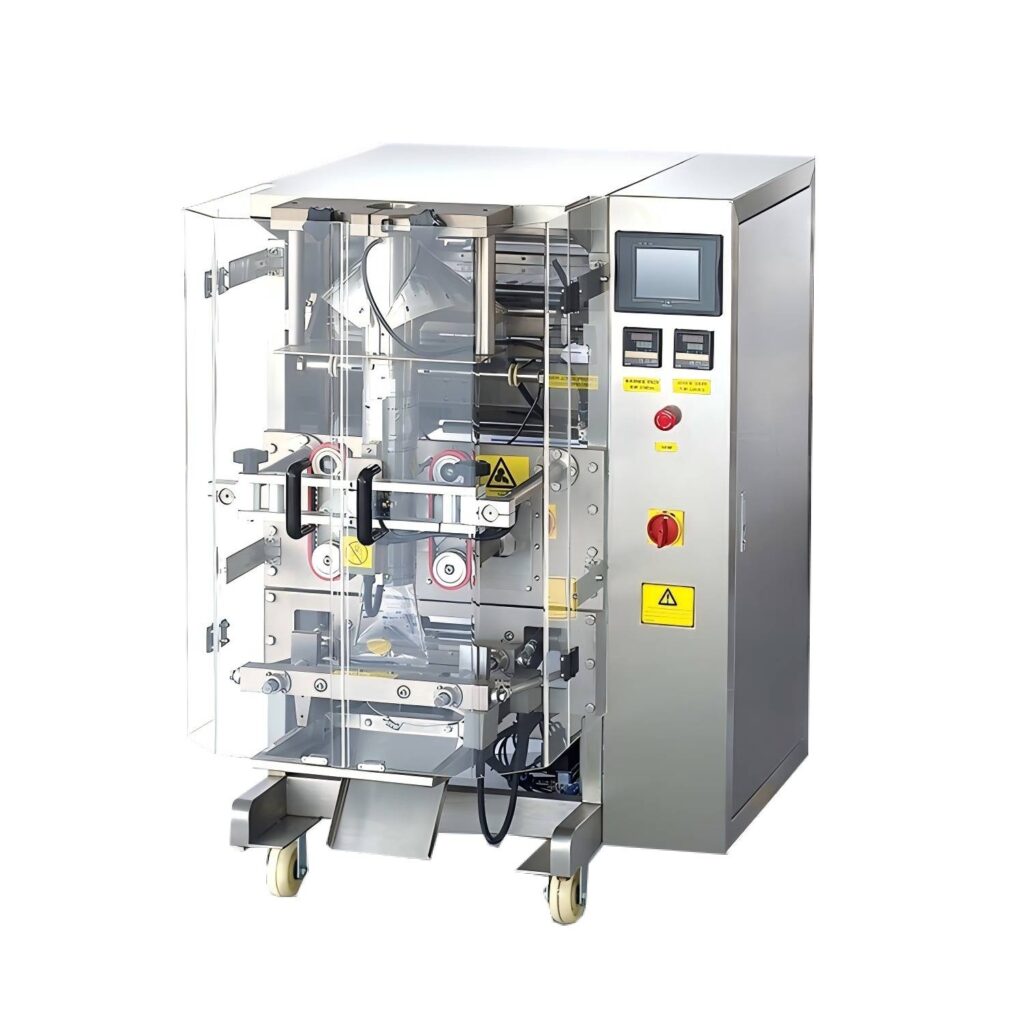
Mesin Pembungkus Kopi Premade Pouch Berputar
Ciri-ciri Utama
- Pakej sehingga 80 beg seminit.
- Pembinaan SS304 dengan komponen elektronik Jerman/Jepun.
- Perkhidmatan OEM, pilihan penyesuaian.
- Masa penghantaran yang boleh dipercayai.
Faedah untuk Kopi Cuba
- Handles various pouch styles — stand – up pouches, gusset bags, flat bottom pouches.
- Kawalan pengisian yang tepat mengekalkan berat, kualiti yang konsisten.
- Keserasian injap penyahgas untuk biji kopi Cuba yang baru dipanggang.
- Keupayaan pembilasan nitrogen untuk mengekalkan aroma, mencegah pengoksidaan.
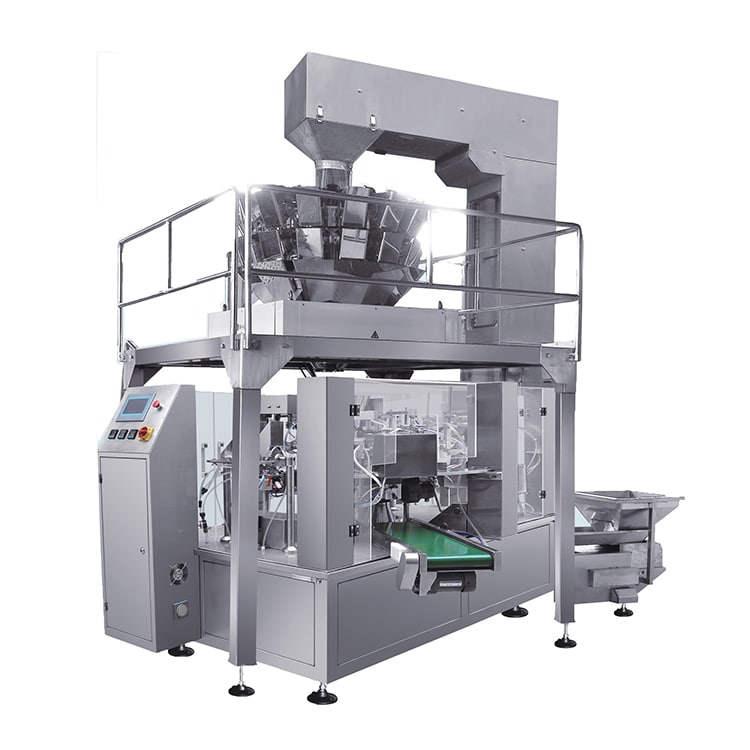
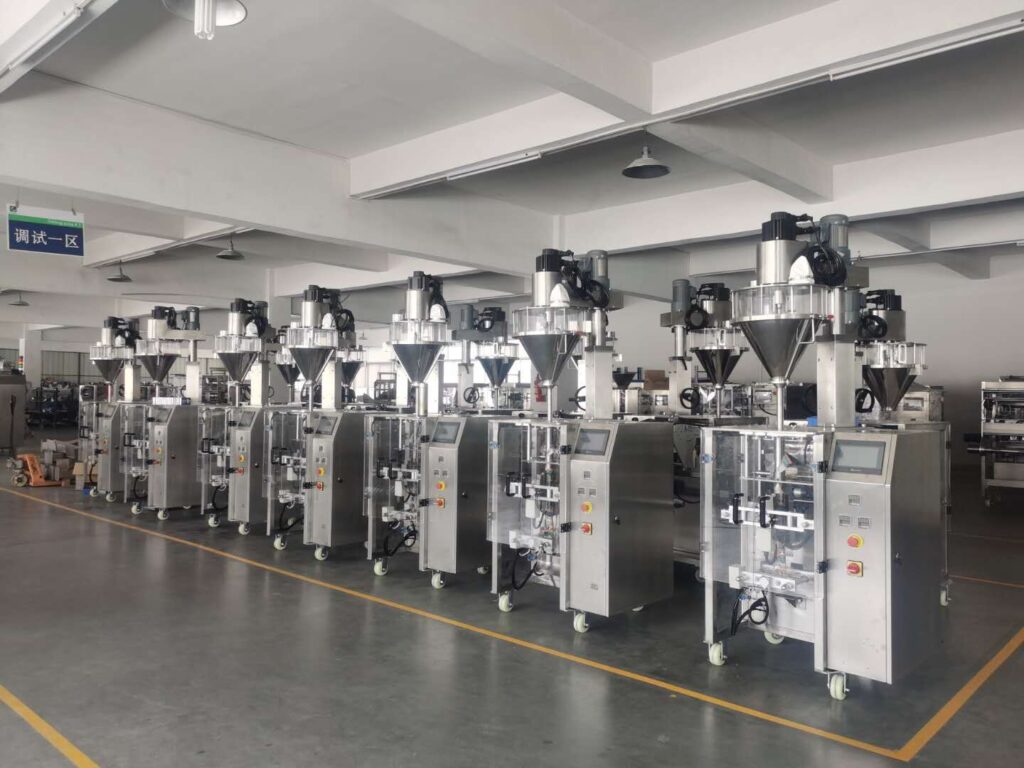
Mesin Pembungkusan Kopi Isi & Seal Borang Menegak (VFFS).
Ciri-ciri Utama
- Pakej sehingga 60 beg seminit.
- Cost – effective solution.
- Servo – driven system for easy integration.
- Sesuai untuk persekitaran pembungkusan sejuk dan basah.
Faedah untuk Kopi Cuba
- Sangat baik untuk kedua-dua biji kopi keseluruhan anв kopi Cuba.
- Sistem penimbangan pintar memastikan pembahagian yang tepat.
- Easy – to – clean stainless steel construction.
- Boleh disesuaikan untuk saiz beg yang berbeza anв jenis.
Penyelesaian Pembungkusan Kopi Cuba Khusus
Pembungkusan Beg Kopi Titis
For single – serve Cuban coffee convenience, Lintyco offers specialized drip coffee bag mesin pembungkusans. They:
- Cipta uncang penapis individu dengan kopi Cuba yang dipreportion.
- Mengekalkan saiz pengisaran yang optimum untuk pengekstrakan yang sempurna.
- Sertakan keupayaan pembilasan nitrogen.
- Pakej beg titisan dalam kantung luar pelindung.
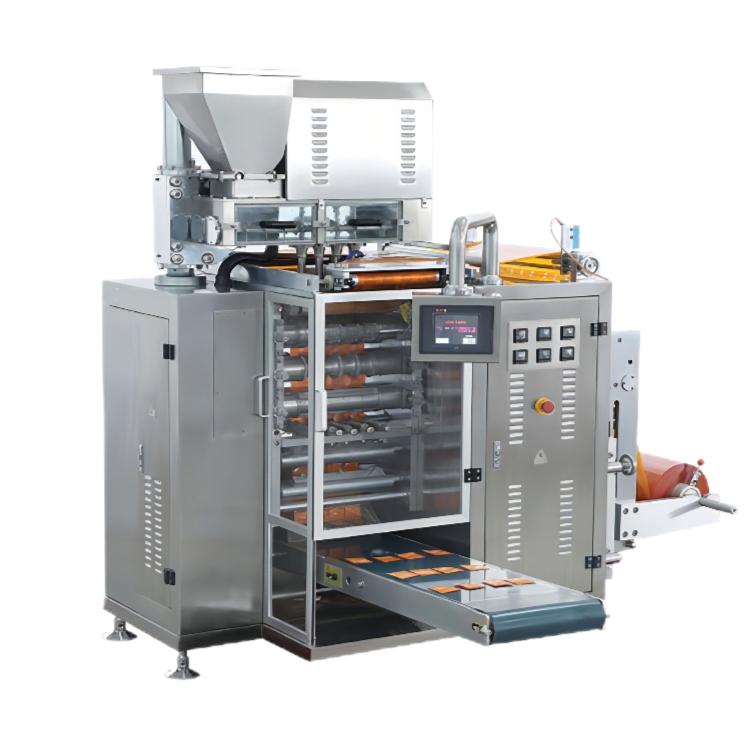
Penyelesaian Pek Stick
Sesuai untuk sampel kopi Cuba premium, hidangan tunggal:
- Multi – lane capability (4, 8, or 12 lanes).
- Dos yang tepat untuk kualiti yang konsisten.
- Penggunaan filem pembungkusan yang minimum.
- Sesuai untuk pek rasa kopi Crystal Mountain.
Proses Pembungkusan untuk Kopi Cuba
Persediaan untuk Pembungkusan
Pemilihan Kualiti — Hand – picked Cuban coffee beans go through sorting. This removes immature, defective beans. It ensures only premium quality reaches thе packaging stage.
Pertimbangan Memanggang — Kopi Cuba yang baru dipanggang memerlukan masa penyahgas sebelum pembungkusan. Ini menghalang pengembangan beg daripada pelepasan CO2.
Pengoptimuman Saiz Kisar — Format pembungkusan yang berbeza memerlukan saiz pengisaran tertentu. Kisar lebih kasar untuk beg gusset, kantung berdiri. Sederhana – baik untuk uncang kopi menitis.
Langkah Proses Pembungkusan
- Penyediaan Bahan — Kopi dimuatkan ke dalam corong. Bahan pembungkusan diletakkan pada kekili yang dilepaskan.
- Pembentukan Beg — Filem pembungkusan dibentuk mengikut format kantung yang diingini.
- Pengisian — Jumlah kopi Cuba yang tepat dikeluarkan. Sistem berasaskan volumetrik atau berat digunakan.
- Menyahgas — One – way valves let CO2 escape. They prevent oxygen entry.
- Pengedap — Pengedap haba menghasilkan penutupan kedap udara. Ini mengekalkan kesegaran.
- Quality Control — Pemeriksaan akhir memastikan pengedap yang betul, konsistensi berat.
Memelihara Kualiti Kopi Cuba
Pembilasan Nitrogen — Menggantikan oksigen dengan nitrogen menghalang pengoksidaan. Ia mengekalkan integriti rasa kopi Cuba.
Vacuum Sealer — Mengeluarkan udara memanjangkan jangka hayat. Ia mengekalkan nota rasa halus kopi Crystal Mountain.
Perlindungan Cahaya — Bahan pembungkusan legap atau berlogam melindungi kopi Cuba daripada rasa – pendedahan cahaya yang merendahkan.
Kawalan Kelembapan — Bahan penghalang yang betul menghalang penyusupan lembapan. Ini boleh menjejaskan kualiti kopi Cuba sebaliknya.
Soalan Lazim tentang Pembungkusan Kopi Cuba
S: Apakah mesin pembungkusan terbaik untuk kopi Cuba?
A: Untuk kopi Cuba premium seperti jenis Crystal Mountain, Mesin Pembungkus Kantung Prabuatan Berputar Lintyco adalah sesuai. Ia mempunyai ketepatan tinggi, keserasian injap penyahgas, keupayaan untuk mengendalikan pelbagai gaya kantung. Untuk penyelesaian kos – berkesan, mesin VFFS menawarkan prestasi cemerlang pada kos pelaburan yang lebih rendah.
S: Bagaimanakah cara saya mengekalkan rasa unik kopi Cuba semasa pembungkusan?
A: Kekalkan rasa kopi Cuba dengan menggunakan bahan pembungkusan dengan sifat penghalang yang sangat baik (laminat aluminium foil). Laksanakan pembilasan nitrogen untuk mengelakkan pengoksidaan. Pasang injap penyahgas untuk kacang yang baru dipanggang. Pastikan pengedap kedap udara untuk mengelakkan kelembapan dan penyusupan udara.
S: Apakah bahan yang disyorkan untuk pembungkusan kopi Cuba?
A: Untuk kopi Cuba premium, gunakan lamina berbilang lapisan yang menggabungkan kertas kraf (lapisan luar), kerajang aluminium (lapisan penghalang), plastik gred makanan (lapisan dalam). Untuk pilihan yang mampan, pertimbangkan kertas kraf bergaris PLA atau filem boleh kompos yang mengekalkan sifat penghalang yang diperlukan.
S: Bagaimanakah cara saya memilih antara mesin pembungkusan kopi yang berbeza?
A: Pertimbangkan faktor ini: keperluan volum pengeluaran, jenis kopi (kacang penuh vs. dikisar), pilihan format pembungkusan, kekangan bajet, ruang lantai yang tersedia, dan matlamat kemampanan. Lintyco menawarkan perkhidmatan perundingan untuk membantu menentukan penyelesaian optimum untuk keperluan pembungkusan kopi Cuba anda.
S: Apakah isu penyelesaian masalah biasa untuk mesin pembungkusan kopi?
A: Isu lazim termasuk: pengedap yang tidak betul (semak tetapan tekanan dan suhu), pengisian tidak konsisten (kalibrasi sistem berat), masalah pengesanan filem (laraskan panduan filem), kerosakan injap penyahgas (pastikan pemasangan injap yang betul dan kefungsian).
S: Bagaimanakah cara saya memastikan pengedap beg kopi Cuba dengan betul?
A: Pastikan pengedap yang betul dengan mengekalkan suhu pengedap haba yang betul (biasanya 150 – 180°C), mengenakan tekanan yang mencukupi dalam masa tinggal, menggunakan bahan pengedap yang sesuai, memastikan permukaan pengedap bersih, dan kerap memeriksa integriti pengedap melalui ujian tarik.
S: Apakah penyelenggaraan yang diperlukan untuk mesin pembungkusan kopi?
A: Penyelenggaraan tetap termasuk pembersihan harian permukaan sentuhan, pelinciran mingguan bahagian bergerak, pemeriksaan bulanan sambungan elektrik, penggantian suku tahunan bahagian haus, perkhidmatan komprehensif tahunan oleh juruteknik bertauliah.
S: Bolehkah mesin pembungkusan kopi mengendalikan kedua-dua biji kopi dan kopi Cuba yang dikisar?
A: Ya, kebanyakan mesin pembungkusan kopi Lintyco cukup serba boleh untuk mengendalikan kedua-dua biji kopi Cuba keseluruhan dan kopi kisar. Walau bagaimanapun, anda mungkin perlu melaraskan mekanisme pengisian dan mempertimbangkan saiz kisar yang berbeza untuk hasil pembungkusan yang optimum.
S: Bagaimanakah mesin pembungkus kopi vakum berfungsi untuk kopi Cuba?
A: Mesin pembungkusan vakum mengeluarkan udara daripada bungkusan sebelum mengelak, menghalang pengoksidaan dan pengumpulan lembapan yang boleh menjejaskan kualiti kopi Cuba. Proses ini amat berfaedah untuk mengekalkan nota rasa halus kopi Crystal Mountain.
Q: What is thе difference between automatic and semi – automatic pembungkusan kopi machines?
A: Mesin automatik beroperasi dengan campur tangan manual yang minimum, menawarkan daya pemprosesan yang lebih tinggi dan konsistensi yang sesuai untuk pengeluaran kopi Cuba berskala besar. Mesin separuh automatik memerlukan beberapa kerja manual tetapi menawarkan fleksibiliti yang lebih besar dan pelaburan awal yang lebih rendah untuk operasi yang lebih kecil.
Conclusion
Kopi Cuba — dengan warisannya yang kaya, kualiti luar biasa — layak mendapat penyelesaian pembungkusan. Mereka mengekalkan ciri uniknya sambil memenuhi permintaan pasaran moden. Daripada tanah gunung berapi Crystal Mountain kepada cawan pelanggan anda, setiap langkah dalam proses pembungkusan menyumbang kepada mengekalkan integriti kopi.
Gabungan bahan pembungkusan yang sesuai, mesin canggih, teknik pemprosesan yang betul memastikan ini: profil rasa tersendiri kopi Cuba — rasa bersih, aroma buah, wain – seperti kemanisan — sampai kepada pengguna dalam keadaan sempurna.
Whether you’re packaging premium Cubita coffee for international markets or making single – serve drip bags for convenient brewing, thе right packaging solution makes all thе difference. Lintyco’s comprehensive range of mesin pembungkusan kopi — digabungkan dengan kepakaran dalam pemilihan bahan, pengoptimuman proses — menyediakan asas untuk operasi pembungkusan kopi Cuba yang berjaya.




 English
  Malay
Malay