Pembungkusan adalah istilah umum untuk proses pemuatan kuantitatif, pembungkusan, dan pembungkusan produk. Ia melindungi produk dan menjadikannya mudah untuk diangkut, disimpan dan dijual. Pembungkusan makanan harus praktikal dan hiasan untuk mencantikkan dan mempromosikan produk dan menarik pengguna.
Jenis Peralatan Pembungkusan
Terdapat banyak jenis pembungkusan: mengikut sasaran jualan produk yang berbeza, ia boleh dibahagikan kepada pembungkusan industri, pembungkusan komoditi, dan pembungkusan tentera; mengikut fungsi pembungkusan, ia boleh dibahagikan kepada pembungkusan dalaman (termasuk pembungkusan langsung dan pembungkusan perantaraan) dan pembungkusan luar; mengikut sifat produk, ia boleh dibahagikan kepada pembungkusan blok, pembungkusan granul, pembungkusan serbuk, pembungkusan cecair, pembungkusan sos, dll.; mengikut keperluan khas produk, ia boleh dibahagikan kepada pembungkusan makanan, pembungkusan kalis lembapan, pembungkusan rapuh, dan pembungkusan barangan berbahaya. Bahan pembungkusan hendaklah tidak toksik dan memenuhi keperluan pemeriksaan kesihatan negara. Terdapat juga keperluan untuk akses mudah, dan pembungkusan harus dapat menyelesaikan percanggahan antara pengedap dan akses mudah.
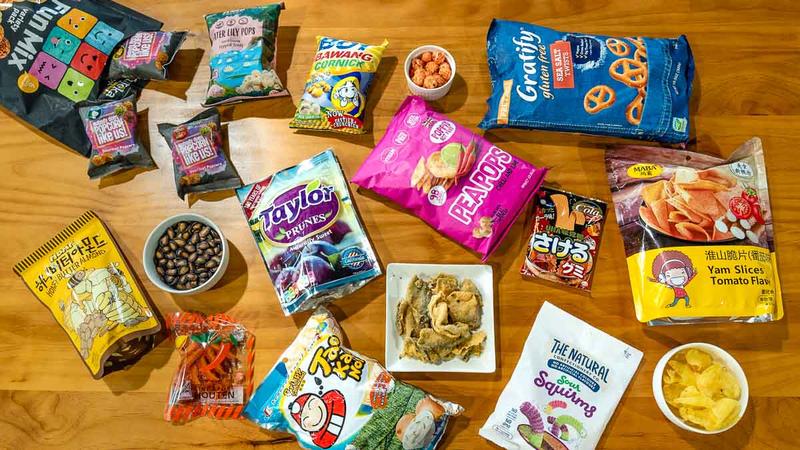
Pembungkusan dalaman adalah bentuk pembungkusan yang paling asas, termasuk pembungkusan langsung dan pembungkusan perantaraan. Pembungkusan langsung ialah satu bentuk pembungkusan di mana objek yang dibungkus dan bahan pembungkusan berada dalam hubungan langsung. Seperti pembungkusan kertas gula-gula, pembungkusan botol minuman, pembungkusan beg detergen dobi, pembungkusan hos ubat gigi, dan lain-lain. Pembungkusan pertengahan adalah untuk membungkus produk yang dibungkus secara langsung semula mengikut kuantiti atau corak tertentu, seperti pembungkusan dalam botol atau beg dan kemudian dalam karton, atau gabungan pembungkusan siri kosmetik.
Pembungkusan luar adalah untuk mengumpul sejumlah produk yang telah dibungkus secara dalaman dan membungkusnya semula untuk kemudahan pengangkutan dan penyimpanan. Pembungkusan luar kebanyakannya dibungkus dalam kadbod atau kotak kayu, dengan tali rata plastik atau besi. Barang kalis lembapan hendaklah dialas dengan filem plastik, dan barang kalis hentakan hendaklah dilapisi dengan plastik buih. Spesifikasi, dimensi dan tanda pembungkusan luar hendaklah mematuhi piawaian kebangsaan yang berkaitan.
Kaedah pembungkusan makanan utama termasuk pembotolan, pengetinan, tinju, pembungkusan, tinju, pembungkusan, penggabungan, dsb., yang boleh dipilih mengikut sifat produk, keperluan penyimpanan dan penggunaan, tabiat jualan serantau dan psikologi pelanggan. Produk yang sama boleh mempunyai pelbagai kaedah pembungkusan yang berbeza, seperti kulit keras, pembungkusan ringkas, pukal; pembungkusan besar, pembungkusan kecil, pembungkusan keluarga; atau pembotolan, tinju, pengetinan, dan pembungkusan. Untuk memenuhi keperluan objek jualan yang berbeza dan tahap pengguna yang berbeza.
Komposisi Peralatan Pembungkusan
Struktur jentera pembungkusan terdiri daripada tiga bahagian: bahagian kuasa, bahagian penghantaran dan bahagian pelaksanaan.
Untuk memudahkan analisis dan pemahaman prinsip kerja dan ciri-ciri struktur mesin pembungkusan, kami seterusnya menguraikan tiga komponen utama mesin pembungkusan kepada 8 aspek mengikut fungsi kerjanya, dan memanggilnya 8 elemen mesin pembungkusan.

Peranti pemakanan kuantitatif: Isih, ukur, susun dan angkut barang ke stesen yang telah ditetapkan.
Isih dan peranti suapan:Potong atau susun secara kuantitatif dan susun bahan atau bekas pembungkusan dan hantar ke stesen yang telah ditetapkan.
Peranti penghantar utama: Peranti yang mengangkut item dan bahan pembungkusan dari satu stesen ke stesen seterusnya mengikut urutan. Peranti ini boleh ditinggalkan untuk mesin pembungkusan stesen tunggal.
Peranti pelaksanaan pembungkusan: Peranti yang secara langsung menjalankan operasi pembungkusan seperti membungkus, mengisi, mengedap, pelabelan dan penggabungan.
Peranti keluaran produk siap:Ini ialah peranti yang memunggah produk siap yang dibungkus dari peranti pelaksanaan pembungkusan dan menghantarnya keluar dari mesin pembungkusan.
Mesin kuasa dan peranti penghantaran: Mesin kuasa biasanya motor elektrik. Peranti penghantaran termasuk pengurang, mekanisme penghantaran dan penukaran untuk kuasa dan gerakan, dan boleh dalam pelbagai bentuk seperti mekanikal, hidraulik, pneumatik, elektromagnet dan optik.
Peranti kawalan: Ia termasuk peranti petunjuk dan kawalan untuk kelajuan pembungkusan, tekanan, suhu dan masa tindakan, peranti pemantauan dan kawalan untuk kuantiti dan kualiti pembungkusan, dan pelbagai peranti perlindungan automatik untuk mesin.
Badan mesin:Ia digunakan untuk menyokong dan membetulkan bahagian yang berkaitan untuk mengekalkan kedudukan kerja yang ditentukan dan memainkan peranan perlindungan tertentu untuk mesin. Strukturnya hendaklah mudah dikendalikan dan diselenggara, dan penampilannya hendaklah secantik mungkin.
Rajah ialah gambarajah blok mesin pembungkusan, yang menunjukkan hubungan antara 8 elemen mesin pembungkusan. Anak panah dua garis dalam rajah mewakili sistem penyampaian utama bahan pembungkusan dan bahan pembungkusan, anak panah garis pepejal tunggal mewakili hubungan penghantaran, dan anak panah garis putus-putus mewakili hubungan kawalan.

Conclusion
Peralatan pembungkusan adalah peralatan penting dalam pengeluaran industri ringan. Ia digunakan secara meluas dalam industri pengeluaran makanan, keperluan harian, kosmetik, ubat-ubatan, tekstil, alat tulis, mainan, perkakas rumah dan produk perkakasan kecil, dan digunakan dalam proses terakhir. Kualiti pembungkusan yang buruk akan memberi kesan serius kepada kualiti produk dan faedah ekonomi.
Peralatan pembungkusan moden berubah setiap hari. Ia berkembang pesat dari segi kelajuan pembungkusan, kualiti, jenis dan mekanisasi serta automasi proses pembungkusan. Penyelidikan dan pembangunan proses pembungkusan baharu, kemunculan bahan pembuatan dan bahan pembungkusan baharu, serta ciptaan dan penggunaan teknologi baharu telah menjadikan reka bentuk dan pembuatan jentera pembungkusan moden yang baharu, cekap, berkelajuan tinggi dan berkualiti tinggi mungkin.

 English
  Malay
Malay