Introduction
Dalam industri makanan yang kompetitif hari ini, pembungkusan makanan ringan memainkan peranan penting dalam menarik pelanggan dan mengekalkan kualiti produk. Daripada kerepek hingga bar granola, pembungkusan yang betul boleh menjadikan atau memecahkan daya tarikan makanan ringan anda di rak. Jika anda pengeluar makanan ringan atau pemilik perniagaan, anda perlu memahami penyelesaian pembungkusan makanan ringan terbaik yang memenuhi permintaan pengguna, memastikan keselamatan produk dan meningkatkan kejayaan jenama anda.
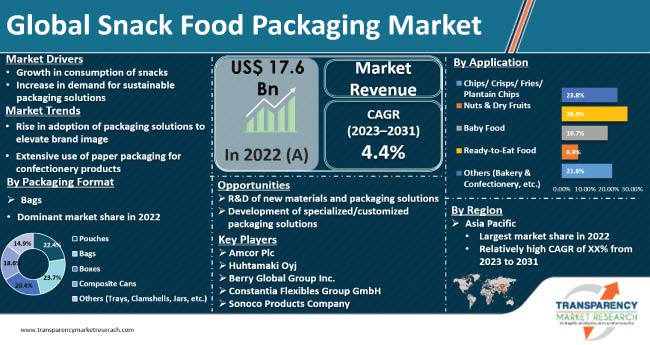
Mengapa Pembungkusan Makanan Snek Sangat Penting?
Pembungkusan makanan snek bukan sekadar bekas untuk produk anda; ia adalah alat pemasaran yang berkuasa, langkah keselamatan dan penyelesaian kemampanan semuanya dalam satu. Pembungkusan yang berkesan:
- Mengekalkan kesegaran dan rasa – Makanan ringan memerlukan perlindungan daripada kelembapan, cahaya dan udara.
- Menarik minat pengguna – Reka bentuk yang menarik perhatian dan pembungkusan kreatif boleh menarik perhatian dalam pasaran yang kompetitif.
- Menggalakkan kemampanan – Pilihan pembungkusan mesra alam bergema dengan pengguna yang mementingkan alam sekitar masa kini.
- Memastikan keselamatan produk – Pengedap kalis tamper dan selamat mengekalkan integriti produk.
Mari selami beberapa penyelesaian pembungkusan snek biasa dan jawab soalan lazim untuk membantu anda membuat keputusan termaklum.
Soalan Lazim (Soalan Lazim) Mengenai Penyelesaian Pembungkusan Makanan Snek
1. Apakah bahan terbaik untuk pembungkusan makanan ringan?
Apabila bercakap tentang pembungkusan makanan ringan, bahan yang digunakan adalah penting untuk mengekalkan kesegaran dan keselamatan produk. Bahan pembungkusan biasa termasuk:
- Filem fleksibel: Ini sesuai untuk kerepek, kacang dan snek kering yang lain. Bahannya ringan, tahan lembapan, dan boleh dimeterai dengan mudah.
- Kotak kertas: Bagus untuk kuki, bar granola dan makanan ringan lain yang memerlukan perlindungan daripada dihancurkan.
- Bekas plastik: Berguna untuk campuran snek atau produk yang memerlukan pembungkusan boleh ditutup semula.
- Beg aluminium foil: Selalunya digunakan untuk kerepek atau kacang, ini menawarkan perlindungan yang sangat baik daripada oksigen dan kelembapan.
Dengan memilih bahan yang betul, anda memastikan snek anda kekal segar, menarik dan selamat untuk pengguna.
2. Bagaimanakah pembungkusan mampan memberi kesan kepada jualan makanan ringan?
Kemampanan adalah lebih daripada trend; ia adalah permintaan pengguna yang semakin meningkat. Menurut kajian olehNielsen, 73% pengguna sanggup membayar lebih untuk pembungkusan yang mampan. Untuk jenama makanan ringan, menawarkan pilihan mesra alam seperti bahan kitar semula, terbiodegradasi atau kompos boleh meningkatkan kesetiaan dan jualan jenama dengan ketara.
Pilihan pembungkusan seperti beg berasaskan kertas atau plastik berasaskan tumbuhan semakin popular di kalangan pembeli yang mementingkan alam sekitar. Dengan mengguna pakai penyelesaian yang mampan, jenama anda boleh mengurangkan jejak alam sekitarnya sambil menarik pasaran yang lebih luas.

3. Apakah trend terkini dalam reka bentuk pembungkusan makanan ringan?
Dalam dunia pembungkusan makanan ringan, trend reka bentuk sentiasa berkembang untuk memenuhi pilihan pengguna yang berubah-ubah. Beberapa trend teratas termasuk:
- Reka bentuk minimalis: Pembungkusan yang bersih dan ringkas yang menyerlahkan kualiti semula jadi produk.
- Pembungkusan telus: Pengguna suka melihat apa yang mereka beli. Pembungkusan yang jelas boleh mempamerkan produk, membina kepercayaan.
- Warna berani dan terang: Warna terang dan tipografi unik membantu jenama menonjol di rak yang sesak.
- Pemperibadian: Reka bentuk pembungkusan boleh disesuaikan yang memenuhi keperluan pengguna individu atau segmen pasaran tertentu.
4. Bagaimanakah saya boleh menjadikan pembungkusan snek saya lebih berfungsi?
Kefungsian adalah kunci dalam pembungkusan makanan ringan, kerana pengguna mencari kemudahan. Beberapa ciri yang perlu dipertimbangkan termasuk:
- Pembungkusan boleh ditutup semula: Menawarkan pengguna keupayaan untuk membuka dan menutup bungkusan membantu mengekalkan kesegaran dan menjadikan makanan ringan mudah alih.
- Pilihan hidangan tunggal: Apabila gaya hidup sibuk berkembang, pembungkusan satu hidangan semakin popular untuk snek semasa dalam perjalanan.
- Reka bentuk yang mudah dibuka: Pembungkusan yang tidak memerlukan gunting atau usaha yang berlebihan adalah kelebihan yang besar untuk pengguna.
Dengan menambahkan elemen berfungsi pada pembungkusan anda, anda meningkatkan pengalaman pengguna dan menggalakkan pembelian berulang.
5. Bagaimanakah pembungkusan mempengaruhi keputusan pembelian pengguna?
Pembungkusan adalah faktor utama dalam mendorong pembelian makanan ringan. A kajian oleh Packaging Digest found that 64% pengguna cuba produk baru kerana pembungkusannya. Pembungkusan yang menarik dan direka dengan baik boleh menarik pelanggan baharu, manakala pembungkusan bermaklumat boleh membina kepercayaan dan kesetiaan jenama.
Berikut ialah beberapa elemen penting untuk disertakan dalam pembungkusan anda:
- Pelabelan yang jelas: Pastikan maklumat pemakanan anda, ramuan dan sebarang pensijilan (cth, organik, bukan GMO) mudah dicari.
- Identiti jenama: Warna jenama, logo dan pemesejan yang konsisten boleh menjadikan produk anda lebih dikenali dan diingati.
Pembungkusan yang menarik, dipadankan dengan reka bentuk yang berfungsi dan bermaklumat, akan menjadikan produk makanan ringan anda menonjol daripada persaingan.
5 Penyelesaian Pembungkusan Makanan Snek Terbaik
Berikut ialah penyelesaian pembungkusan makanan snek teratas untuk dipertimbangkan untuk jenama anda:
Beg Berdiri
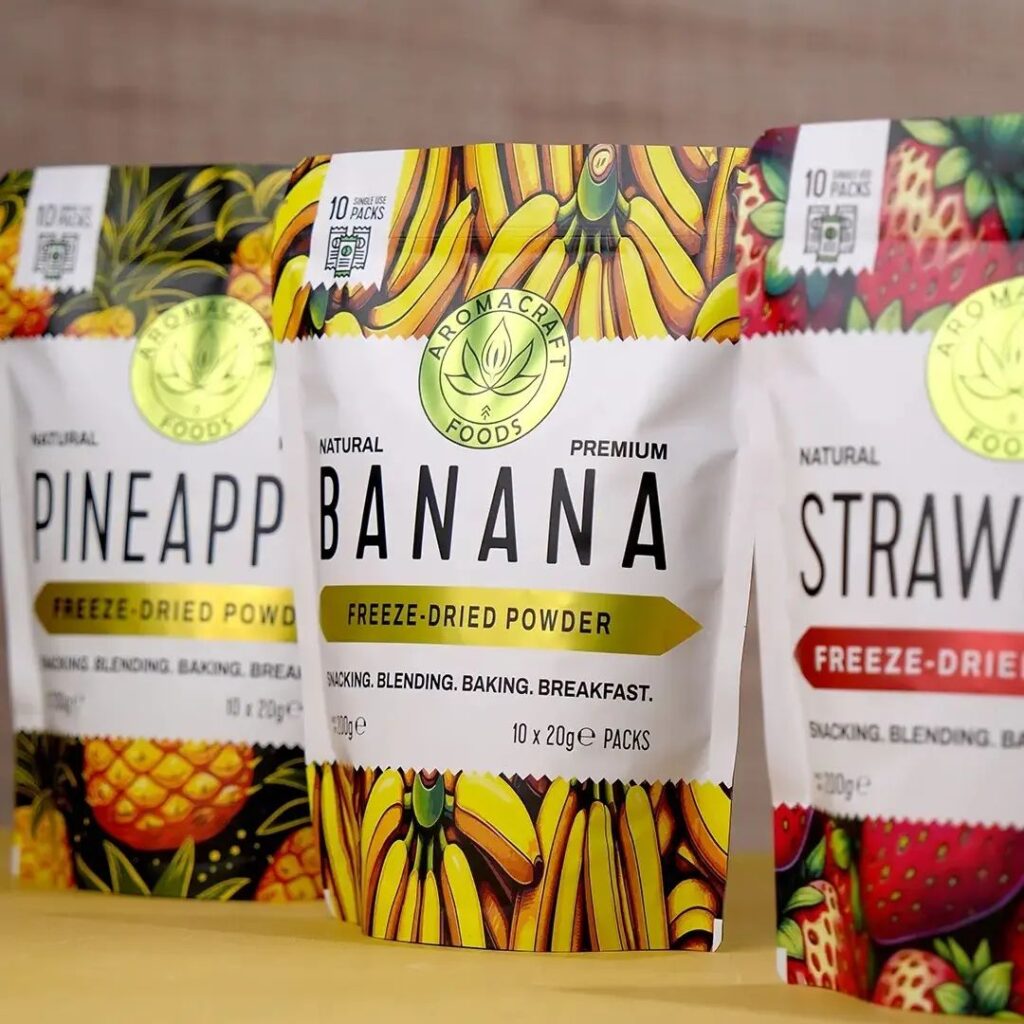
Salah satu pilihan yang paling serba boleh dan popular untuk pelbagai makanan ringan. Ia ringan, tahan lama dan menawarkan zip yang boleh ditutup semula.
Pembalut Aliran
Sesuai untuk bar snek dan kuki yang dibungkus secara individu, kaedah ini menyediakan pembungkusan kedap udara untuk mengekalkan kesegaran.
Vacuum Sealer
Terbaik untuk mengawet makanan ringan pukal seperti kacang dan buah-buahan kering. Kaedah ini mengeluarkan udara untuk meningkatkan jangka hayat.
Tiub Snek
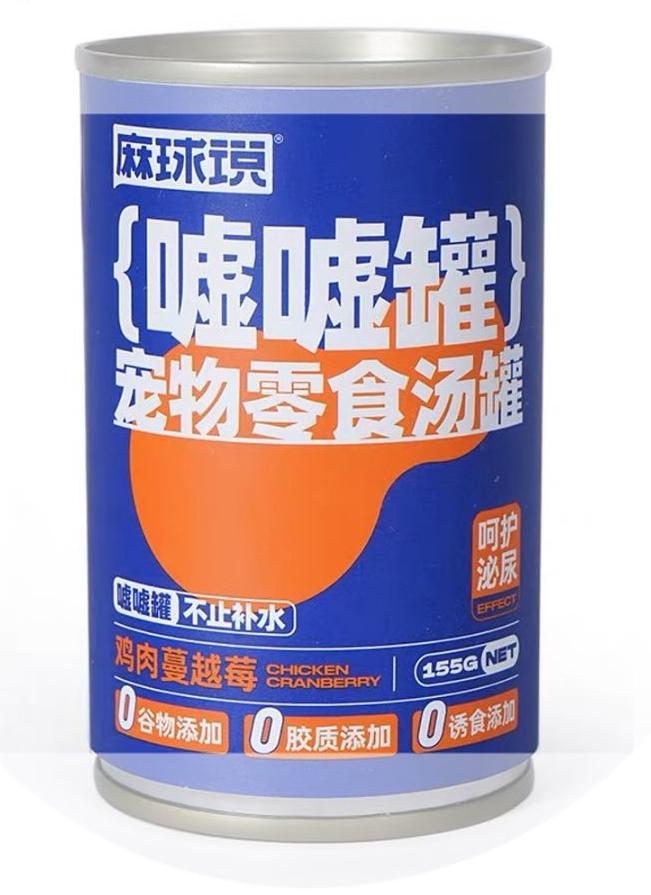
Penyelesaian pembungkusan silinder unik yang digunakan untuk produk seperti kerepek, kuki atau gula-gula. Mereka menawarkan kesan visual yang tinggi dan ketahanan.
Beg Dimeterai Kerajang
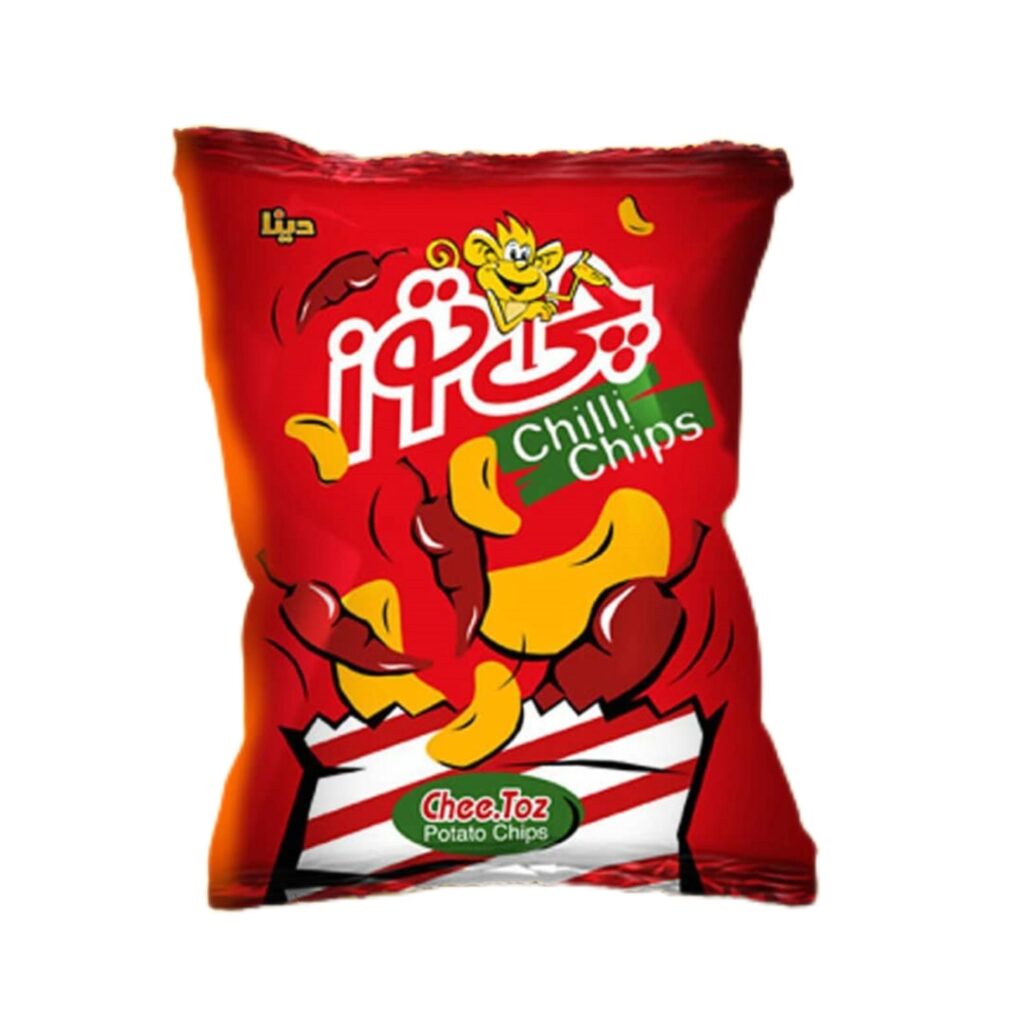
Terbaik untuk memastikan kerepek dan keropok sentiasa segar, dengan penghalang terhadap udara dan kelembapan.
Trend Penyelesaian Pembungkusan Makanan Snek
Industri pembungkusan makanan ringan berkembang pesat, didorong oleh pilihan pengguna untuk kemudahan, kemampanan dan pilihan yang mementingkan kesihatan. Berikut ialah arah aliran dan penyelesaian utama yang membentuk sektor ini:
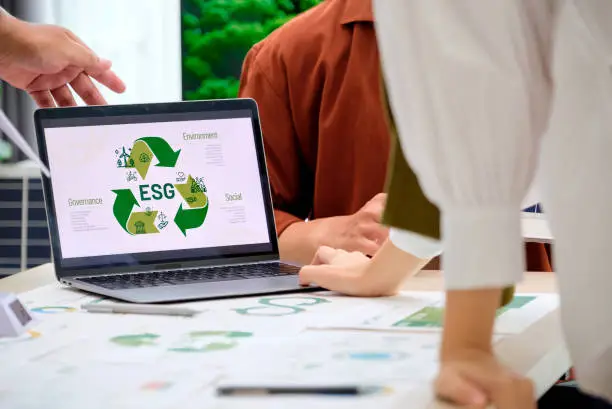
1. Pilihan Pembungkusan Mampan
Kemampanan berada di barisan hadapan dalam inovasi pembungkusan makanan ringan. Syarikat semakin menggunakan bahan mesra alam untuk mengurangkan kesan alam sekitar mereka. Perkembangan utama termasuk:
- Bioplastik: Diperbuat daripada sumber yang boleh diperbaharui seperti kanji jagung atau tebu, bahan ini boleh dikompos dan terurai lebih mudah daripada plastik tradisional.
- Bahan Kitar Semula dan Boleh Kompos: Banyak jenama sedang beralih kepada pembungkusan yang boleh dikitar semula atau dikompos, seperti papan kertas dan filem terbiodegradasi. Sebagai contoh, Frito-Lay telah mengurangkan penggunaan plastik dalam pembungkusannya dengan ketara dengan menggunakan bahan kitar semula.
- Reka Bentuk Inovatif: Penyelesaian pembungkusan baharu seperti Bio-Pouches dan Earth-Paks menawarkan alternatif mampan yang berfungsi dan mesra alam. Pilihan ini bukan sahaja menarik minat pengguna yang mementingkan alam sekitar tetapi juga membantu jenama mengurangkan jejak karbon mereka[5][6].
2. Kemudahan dan Kemudahalihan
Memandangkan tabiat snek beralih kepada penggunaan yang lebih kerap, permintaan untuk pembungkusan yang mudah meningkat. Ciri-ciri utama termasuk:
- Pembungkusan Satu Hidangan: Format ini memenuhi gaya hidup semasa dalam perjalanan, memudahkan pengguna menikmati makanan ringan tanpa perlu berkongsi atau membahagikan.
- Pembungkusan Pintar: Menggabungkan teknologi ke dalam pembungkusan boleh meningkatkan pengalaman pengguna. Label pintar dengan kod QR memberikan pengguna maklumat produk dan kandungan interaktif, manakala penderia boleh memantau kesegaran dan jangka hayat.
3. Reka Bentuk Minimalis
Trend reka bentuk minimalis menekankan kesederhanaan dan ketelusan dalam pembungkusan. Pendekatan ini bergema dengan pengguna yang lebih suka pelabelan yang jelas yang menyerlahkan ramuan dan maklumat pemakanan. Reka bentuk yang bersih dan ringkas boleh meningkatkan kepercayaan dan daya tarikan jenama.
4. Ciri-ciri Sedar Kesihatan
Dengan tumpuan yang semakin meningkat pada kesihatan dan kesejahteraan, pembungkusan makanan ringan semakin direka bentuk untuk menyerlahkan faedah pemakanan. Pembungkusan yang menyampaikan sifat kesihatan dengan jelas—seperti kandungan gula yang rendah atau kandungan protein yang tinggi—boleh menarik pengguna yang mementingkan kesihatan.
5. Teknik Pemeliharaan Lanjutan
Untuk mengekalkan kesegaran produk tanpa banyak bergantung pada bahan pengawet, pengeluar meneroka pembungkusan suasana diubah suai (MAP) dan teknologi pemeliharaan lain. Kaedah ini membantu memanjangkan jangka hayat sambil memenuhi permintaan pengguna untuk pilihan yang lebih sihat.
Ringkasnya, industri pembungkusan makanan snek sedang menyesuaikan diri untuk memenuhi keperluan pengguna yang semakin berkembang melalui amalan mampan, reka bentuk inovatif dan tumpuan kepada kemudahan dan kesihatan. Jenama yang menerima aliran ini berkemungkinan berjaya dalam landskap pasaran yang kompetitif.
Conclusion
Pembungkusan makanan snek ialah aspek penting dalam kejayaan produk anda, memberi kesan kepada segala-galanya daripada kesegaran produk kepada keputusan pembelian pelanggan. Dengan memilih bahan, reka bentuk dan ciri fungsi yang betul, anda boleh memastikan snek anda kekal menarik, selamat dan mampan. Selain itu, mengikuti trend seperti reka bentuk minimalis dan pembungkusan mampan akan membolehkan jenama anda berkembang maju dalam pasaran yang sedang berkembang.
Yang betulpenyelesaian pembungkusan makanan ringanbukan sahaja melindungi produk anda tetapi juga melibatkan pengguna, meningkatkan pengiktirafan jenama dan menyumbang kepada keuntungan anda.

 English
  Malay
Malay