Pembuatan adalah salah satu industri asas penting negara, dan asas pembuatan adalah. Ia adalah mesin induk bagi banyak industri pembuatan mekanikal, dan tahap pembangunannya berkaitan secara langsung dengan kapasiti pengeluaran dan ketepatan pembuatan industri pembuatan, yang berkaitan dengan tahap pembangunan industri jentera negara dan juga keseluruhan industri pembuatan Ia adalah pembawa unit asas teknologi pembuatan termaju, dan kualiti, kelajuan kemas kini, kebolehsuaian kepada pasaran, kecekapan pengeluaran, dan lain-lain produk mekanikal sebahagian besarnya bergantung pada kecekapan mereka. Oleh itu, industri pembuatan memainkan peranan penting dalam pembangunan ekonomi sesebuah negara. China adalah negara dengan pengeluaran tertinggi di dunia Menurut statistik Persatuan Industri Jerman (VDW) pada tahun 2000, China berada di kedudukan kelima di dunia antara negara pengeluar utama. Walau bagaimanapun, ia masih berada pada tahap persaingan yang agak rendah di pasaran antarabangsa: walaupun dalam pasaran domestik, ia menghadapi situasi yang teruk: di satu pihak, terdapat permintaan yang besar untuk pelbagai produk di pasaran domestik, manakala di sisi lain, terdapat banyak tekanan genangan domestik, dan produk asing membanjiri pasaran.
Klasifikasi dan Fungsi Pembungkusan
Terdapat banyak kaedah pengelasan untuk pembungkusan. Mengikut bidang peredaran produk pembungkusan, terdapat pembungkusan produk industri dan pembungkusan produk komersial. Mengikut bentuk struktur pembungkusan produk, terdapat pembungkusan dalaman dan pembungkusan luar; Ia juga boleh dikelaskan mengikut kepelbagaian bahan atau bekas pembungkusan, serta dengan nama objek pembungkusan atau item pembungkusan, dan sebagainya. Adalah bermakna untuk mengklasifikasikan mengikut bentuk struktur pembungkusan. Pembungkusan dalaman ialah bentuk asas struktur pembungkusan, yang merangkumi pembungkusan langsung dan pembungkusan perantaraan. Pembungkusan langsung ialah satu bentuk pembungkusan yang membungkus atau memuatkan produk secara langsung menggunakan bahan atau bekas pembungkusan: bahan pembungkusan atau bekas mengekalkan sentuhan langsung dengan item yang dibungkus dan merupakan unit pembungkusan terkecil. Apabila pembungkusan terus, adalah perlu untuk memilih bahan atau bekas pembungkusan, membangunkan proses pembungkusan, dan memilih atau mereka bentuk mesin dan peralatan pembungkusan mengikut sifat fizikal item yang dibungkus dan keperluan pembungkusan. Pembungkusan perantaraan adalah bentuk pembungkusan di mana sejumlah produk yang dibungkus secara langsung digabungkan dan kemudian dibungkus semula. Seperti pembungkusan barang dalam kotak selepas pembotolan atau pembungkusan; Pembungkusan jalur selepas pembungkusan paket rokok; Pembungkusan barangan ubat gigi selepas pengedap dan pengedap tiub.
Dengan kepelbagaian keperluan pengguna, terutamanya pembangunan pasar raya, kepentingan pembungkusan dalaman telah menjadi semakin menonjol. Permintaan untuk mesin dan peralatan yang diperlukan untuk melengkapkan pembungkusan dalaman adalah yang tertinggi dalam industri pembungkusan. Pembungkusan luar ialah struktur pembungkusan di mana sejumlah produk, selepas dibungkus secara dalaman, dipotong ke dalam kotak pembungkusan. Pada masa kini, kotak kadbod beralun biasanya digunakan untuk pembungkusan. Tujuan utama pembungkusan dalaman adalah untuk mempromosikan jualan dan memberi kemudahan kepada pengguna untuk digunakan. Dalam reka bentuk pembungkusan, selain memastikan keperluan bahan dan kuantiti kandungan pembungkusan, peranan penting hiasan pembungkusan juga perlu dititikberatkan. Tujuan utama pembungkusan luar adalah untuk memberikan jaminan untuk peredaran, penyimpanan dan pengangkutan, yang memerlukan pembungkusan yang kuat dan kukuh.
Pembungkusan ialah langkah perlindungan yang diambil pada bahan yang dibungkus, dengan tujuan utama untuk melindungi nilai produk untuk digunakan. Oleh itu, dalam pembungkusan, pertimbangan juga harus diberikan kepada kemudahan pengangkutan, pemunggahan dan pemunggahan, penyimpanan dan penjualan barang dalam edaran; Selain itu, hiasan pembungkusan juga memainkan peranan dalam mencantikkan, promosi, dan jualan. Pemprosesan pembungkusan adalah peringkat akhir pengeluaran produk dan pautan penting yang tidak boleh diabaikan dalam meningkatkan nilai komoditi produk.
Arah pembangunan mesin pembungkusan
Pada masa ini, negara yang mempunyai tahap pembungkusan dan jentera yang tinggi di luar negara adalah terutamanya Amerika Syarikat, Jerman, Jepun, Itali, dan United Kingdom. Dan jentera pembungkusan Jerman berada dalam kedudukan utama dalam reka bentuk, pembuatan dan prestasi teknikal, Pada tahun 2002, nilai keluaran jentera pembungkusan Jerman mencapai 3.4 bilion euro, dengan 77% daripada pengeluarannya adalah produk yang dieksport. Dalam beberapa tahun kebelakangan ini, pembangunan peralatan pembungkusan dan jentera di negara-negara ini telah menunjukkan trend baharu.
Trend Baharu dalam Reka Bentuk Jentera Pembungkusan di Jerman
Jerman, bersama-sama dengan Amerika Syarikat, Jepun, dan Itali, adalah semua negara utama dalam dunia jentera pembungkusan. Kami berada di kedudukan utama dalam reka bentuk jentera pembungkusan, pembuatan, prestasi teknikal dan aspek lain. Reka bentuk jentera pembungkusan Jerman adalah berdasarkan hasil penyelidikan dan analisis pasaran, dengan matlamat untuk berusaha untuk memberi perkhidmatan kepada pelanggan, terutamanya perusahaan besar. Untuk memenuhi keperluan pelanggan, pengeluar mesin pembungkusan dan jabatan reka bentuk Jerman telah mengambil pelbagai langkah:
(1) Tahap automasi proses semakin meningkat untuk meningkatkan produktiviti dan fleksibiliti peralatan. Menggunakan lengan robot untuk melengkapkan pergerakan yang kompleks. Semasa operasi, di bawah kawalan kamera dikawal komputer untuk menangkap maklumat dan memantau, lengan robot melengkapkan tindakan yang ditetapkan mengikut arahan komputer untuk memastikan kualiti pembungkusan.
(2) Meningkatkan kecekapan pengeluaran, mengurangkan kos pengeluaran, dan memaksimumkan memenuhi keperluan pengeluaran. Jentera pembungkusan Jerman terkenal dengan kepakarannya dalam mesin pengisian dan pembungkusan minuman dan bir, dicirikan oleh kelajuan tinggi, set lengkap, tahap automasi yang tinggi dan kebolehpercayaan yang baik. Kelajuan pengisian minumannya setinggi 120000 botol/j, dan kelajuan pembungkusan mesin pembungkusan beg kecil adalah setinggi 900 beg/min.
(3) Mengintegrasikan mesin produk dan mesin pembungkusan. Banyak produk memerlukan pembungkusan langsung selepas pengeluaran untuk meningkatkan kecekapan pengeluaran. Peralatan pengeluaran dan pembungkusan coklat yang dihasilkan di Jerman dikawal oleh sistem. Kunci untuk mengintegrasikan kedua-duanya adalah untuk menyelesaikan masalah padanan kapasiti pengeluaran.
(4) Menyesuaikan diri dengan perubahan dalam produk pengeluaran, dengan fleksibiliti dan kebolehsuaian yang baik. Disebabkan persaingan pasaran yang sengit, kitaran kemas kini dan penggantian produk menjadi semakin singkat. Jika pengeluaran kosmetik berubah setiap tiga tahun, atau bahkan setiap suku tahun, dan jumlah pengeluaran adalah besar, mesin pembungkusan dikehendaki mempunyai fleksibiliti dan kebolehsuaian yang baik, supaya hayat perkhidmatan jentera pembungkusan lebih lama daripada hayat perkhidmatan produk, untuk memenuhi keperluan ekonomi.
(5) Penggunaan meluas teknik reka bentuk simulasi komputer. Dengan pecutan berterusan pembangunan produk baharu, teknologi reka bentuk simulasi komputer digunakan secara meluas dalam reka bentuk jentera pembungkusan Jerman, sangat memendekkan kitaran pembangunan dan reka bentuk jentera pembungkusan.
Reka bentuk Jentera Pembungkusan bukan sahaja perlu menumpukan pada keupayaan dan kecekapannya, tetapi juga pada ekonominya. Ekonomi yang dipanggil bukan sepenuhnya kos peralatan mekanikal itu sendiri, tetapi yang lebih penting, kos operasi, kerana susut nilai peralatan hanya menyumbang 6% hingga 8% daripada kos, dan selebihnya ialah kos operasi.
Status Pembangunan dan Trend Mesin Pembungkusan Domestik
Industri jentera pembungkusan di China bermula pada 1970-an dan berkembang pesat pada akhir 1980-an dan pertengahan 1990-an. Ia telah menjadi salah satu daripada 10 industri teratas dalam industri jentera, mencapai hasil yang luar biasa dalam kedua-dua keluaran dan kepelbagaian Pencapaian telah memberikan sokongan yang kuat untuk perkembangan pesat industri pembungkusan China.
At present, China has become the world’s mesin pembungkusanry One of the major industrial production and consumption countries. As a product, the meaning of mesin pembungkusanry is not only the material meaning of the product itself, but also includes three layers of meaning: formal products, invisible products, and extended products. Formal products refer to the specific form and basic functions of the mesin pembungkusan itself; Invisible products refer to the actual utility provided by mesin pembungkusans to users; Extended products refer to the quality assurance, usage guidance, and after-sales service of mesin pembungkusans. So the design of mesin pembungkusans should include: market research, schematic design, structural design, and construction drawings Design, user manual writing, and after-sales service plan, etc.
Kategori utama reka bentuk jentera pembungkusan termasuk: reka bentuk tiruan ukur dan pemetaan, reka bentuk pembangunan, reka bentuk penambahbaikan dan reka bentuk siri. Kapasiti pengeluaran barisan pengeluaran pengisian bir adalah antara 16000 dan 40000 botol sejam, dan bilangan kedudukan injap pengisian dalam mesin pengisian adalah antara 48, 60, 90 hingga 120, yang tergolong dalam reka bentuk siri. Reka bentuk peralihan daripada barisan pengeluaran pengisian bir biasa kepada barisan pengeluaran pengisian bir draf tergolong dalam kategori reka bentuk penambahbaikan dan pembangunan. Untuk mesin pembungkusan yang beroperasi pada kelajuan sederhana hingga rendah, pada masa ini kami boleh menjalankan reka bentuk bebas.
Mesin pembungkusan berkelajuan tinggi, terutamanya beberapa model canggih, kebanyakannya ditinjau dan disalin daripada model asing yang serupa untuk reka bentuk domestik dan siri. Sebab utama ialah: (1) kebanyakan pereka tidak benar-benar menguasai kaedah reka bentuk lanjutan, seperti teori reka bentuk dinamik dan kaedah jentera pembungkusan berkelajuan tinggi, dan tidak dapat mensimulasikan dan menyelesaikan masalah seperti analisis ketepatan dinamik mekanisme di bawah keadaan kerja berkelajuan tinggi; (2) Penyepaduan industri, akademik, dan penyelidikan tidak cukup rapat, dan pencapaian penyelidikan saintifik teoretikal tidak boleh digunakan dalam reka bentuk praktikal tepat pada masanya. Pereka bentuk kekurangan latihan teknikal yang tepat pada masanya. (3) Keseluruhan industri tidak mempunyai peraturan makroekonomi, dan sumber yang berfaedah tidak boleh diperuntukkan dan diselaraskan secara munasabah.
Dalam bidang reka bentuk jentera pembungkusan, sebahagian besar pereka masih menggunakan kaedah reka bentuk sebelumnya: (1) mencari model serupa sebagai prototaip berdasarkan buku tugas reka bentuk; (2) merujuk kepada prototaip untuk membangunkan pelbagai petunjuk prestasi teknikal dan skop penggunaan; (3) Reka bentuk rajah prinsip kerja dan rajah sistem penghantaran; (4) Reka bentuk komponen dan bahagian utama; (5) Reka bentuk skema lukisan pemasangan dan gambar rajah kitaran tindakan: (6) Lukisan komponen reka bentuk, lukisan pemasangan dan lukisan bahagian; (7) Lakukan pemeriksaan kekuatan dan kekakuan pada komponen utama dalam pemasangan utama; (8) Skema kawalan reka bentuk, lukisan pembinaan, dsb. Pada masa kini, beberapa perisian reka bentuk daripada universiti tempatan boleh melakukan analisis elemen terhingga dan reka bentuk pengoptimuman pada mekanisme yang biasa digunakan dalam mesin pembungkusan. Perisian CAD/CAM yang dibangunkan mereka untuk mekanisme pautan sesondol sudah boleh memenuhi keupayaan perusahaan untuk mereka bentuk mekanisme pautan sesondol secara bebas, tetapi aplikasinya dalam reka bentuk jentera pembungkusan sebenar masih belum meluas. Jentera pembungkusan baharu selalunya merupakan peranti bersepadu jentera, elektrik dan gas. Dengan menggunakan sepenuhnya pencapaian terkini dalam produk maklumat dan mengguna pakai teknologi penghantaran pengasingan seperti penggerak pneumatik dan pemacu motor servo, rantai penghantaran keseluruhan mesin boleh dipendekkan dengan sangat baik, struktur dipermudahkan dengan sangat baik, dan ketepatan dan kelajuan kerja bertambah baik. Salah satu teknologi utama ialah penggunaan teknologi kawalan segerak yang didorong oleh berbilang motor. Sebenarnya, menguasai teknologi ini tidak sukar, cuma ada pereka yang tidak memahami perkembangan jentera pembungkusan. Jika dahulu, reka bentuk jentera pembungkusan di China berada di peringkat peniruan dan pembelajaran, maka kini kita sepatutnya mempunyai kesedaran reka bentuk inovatif.
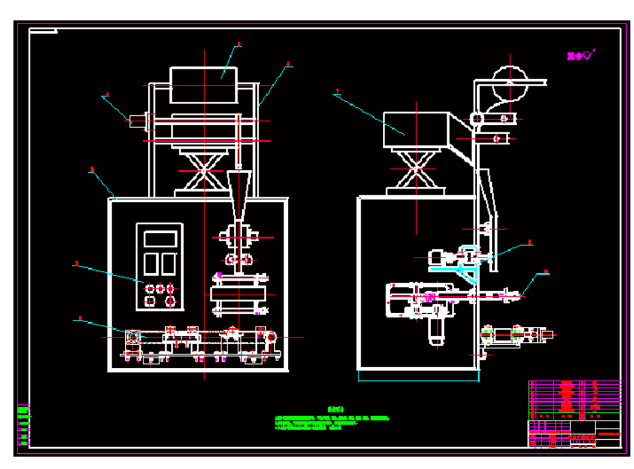
The achievements of technology and machinery in China’s packaging industry in recent years are remarkable. It started in the late 1970s, with an annual output value of only 70-80 million yuan and only over 100 product varieties. The technical level is also relatively low. It was not until the mid-1980s to the mid-20th century that rapid development was achieved, with an annual growth rate of 20% to 30%. By the end of 1999, there were 40 major categories of mesin pembungkusanry and 1700 varieties. In 2000, the output value increased to 30 billion yuan, and the technological level also reached a higher level. The trend of scale and automation began to emerge, and equipment with complex transmission and high technological content also began to emerge. Many mesin pembungkusanry such as mesin pengisian cecairs have begun to be exported in sets.



 English
  Malay
Malay